
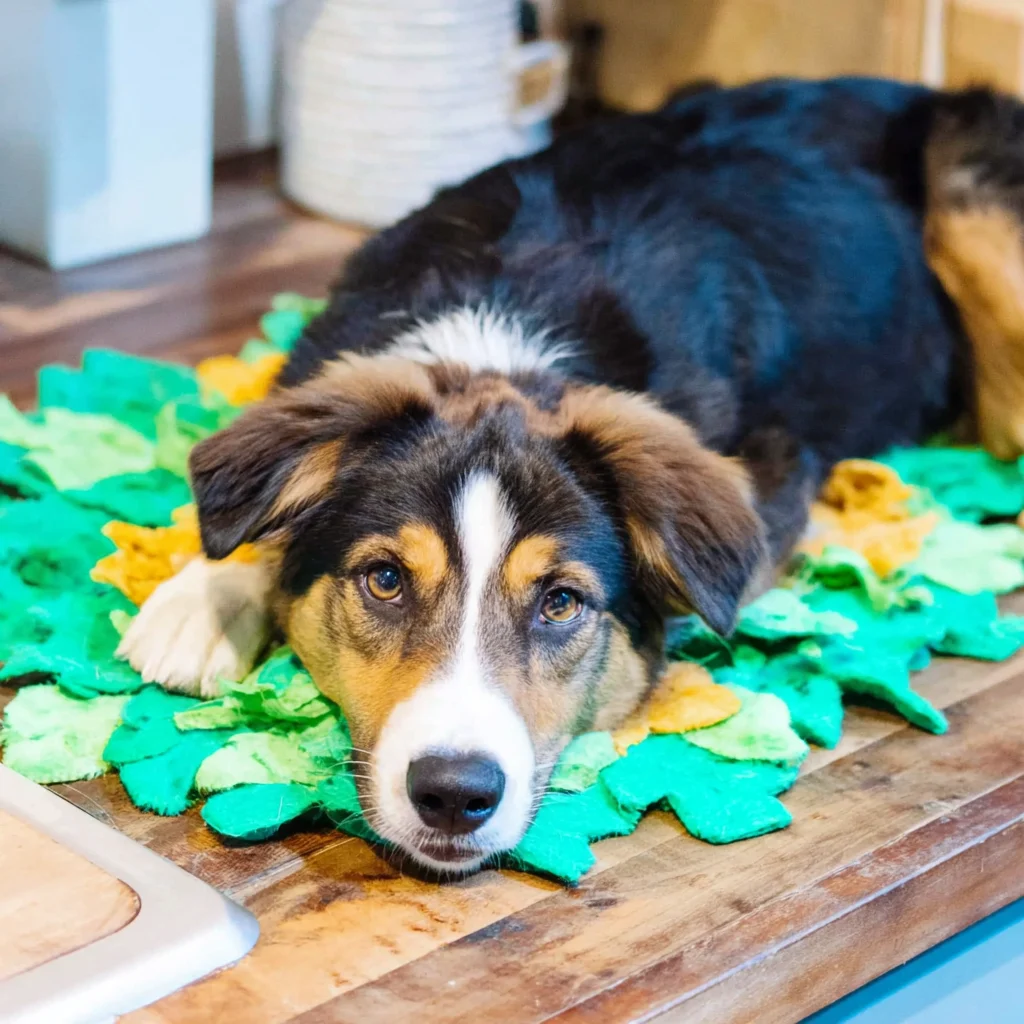
Dog snuffle mats turn mealtime into an engaging treasure hunt that taps into your pup’s natural foraging instincts. These interactive feeding tools slow down fast eaters while providing mental stimulation that can tire out even the most energetic dogs in just 15-20 minutes.
Understanding the Basics
Snuffle mats work by mimicking the natural foraging behavior dogs would exhibit in the wild. When treats or kibble are hidden within the fleece strips, your dog must use their nose and paws to “hunt” for food, engaging their problem-solving skills and satisfying their innate desire to search and sniff.
This mental workout releases endorphins and reduces stress hormones, making snuffle mats particularly beneficial for anxious dogs, senior pups with limited mobility, or high-energy breeds that need extra stimulation. The repetitive sniffing action also activates pressure points in your dog’s nose, creating a naturally calming effect similar to aromatherapy for humans.
Research shows that 15 minutes of mental stimulation can be as tiring as a 30-minute walk for most dogs. This makes dog snuffle mats an excellent indoor activity during bad weather or when you’re short on time for lengthy exercise sessions.
Step-by-Step Guide
Creating and maximizing your dog’s snuffle mat experience requires strategic planning and gradual introduction. These expert techniques will ensure your pup gets the most benefit from their new enrichment tool.
1. Choose the Right Base Material
Start with a rubber sink mat with large holes, approximately 12×18 inches for medium dogs. The holes should be big enough to thread fleece strips through easily but small enough to hold them securely. Avoid mats with small drainage holes as they won’t provide adequate grip for the fleece.
2. Select Optimal Fleece Strips
Cut polar fleece into strips measuring 1.5 inches wide by 8 inches long. This length creates the perfect hiding spots without being too dense for your dog to navigate. Use multiple colors to make the mat visually stimulating and help mask treat locations more effectively.
3. Master the Threading Technique
Thread each fleece strip through adjacent holes, then tie a double knot underneath the mat. Pull the knot tight against the rubber base to prevent strips from loosening during use. Fill every hole to create a dense foraging surface that will challenge your dog appropriately.
4. Introduce Gradually
Begin with high-value treats placed on top of the fleece strips, not buried within. Let your dog discover these easy rewards first to build positive associations. Once they’re comfortable, gradually hide treats deeper within the fleece layers over several training sessions.
5. Vary Treat Placement Patterns
Avoid placing treats in predictable locations. Scatter them throughout different depths and sections of the mat to maintain your dog’s interest and prevent them from developing shortcuts that bypass the mental challenge.
6. Control Portion Sizes
Use small training treats or break larger treats into pea-sized pieces. This prevents your dog from getting full too quickly and abandons the foraging activity. The goal is sustained engagement, not rapid consumption.
7. Supervise Initial Sessions
Watch your dog’s first few snuffle mat sessions to ensure they’re using appropriate techniques. Some dogs may try to flip or shake the mat instead of sniffing methodically. Redirect them to proper sniffing behavior with gentle guidance.
8. Clean Regularly
Wash your snuffle mat weekly in cold water with mild detergent. Air dry completely before the next use to prevent mold or mildew. Regular cleaning maintains hygiene and prevents treat residue from creating overpowering scents that might overwhelm sensitive noses.
Safety & Maintenance
Always supervise dogs during snuffle mat sessions, especially puppies who might chew fleece strips. Remove any loose or fraying pieces immediately to prevent ingestion. Store the mat in a dry location between uses and replace it if fleece strips become significantly worn or damaged.
Common Mistakes to Avoid
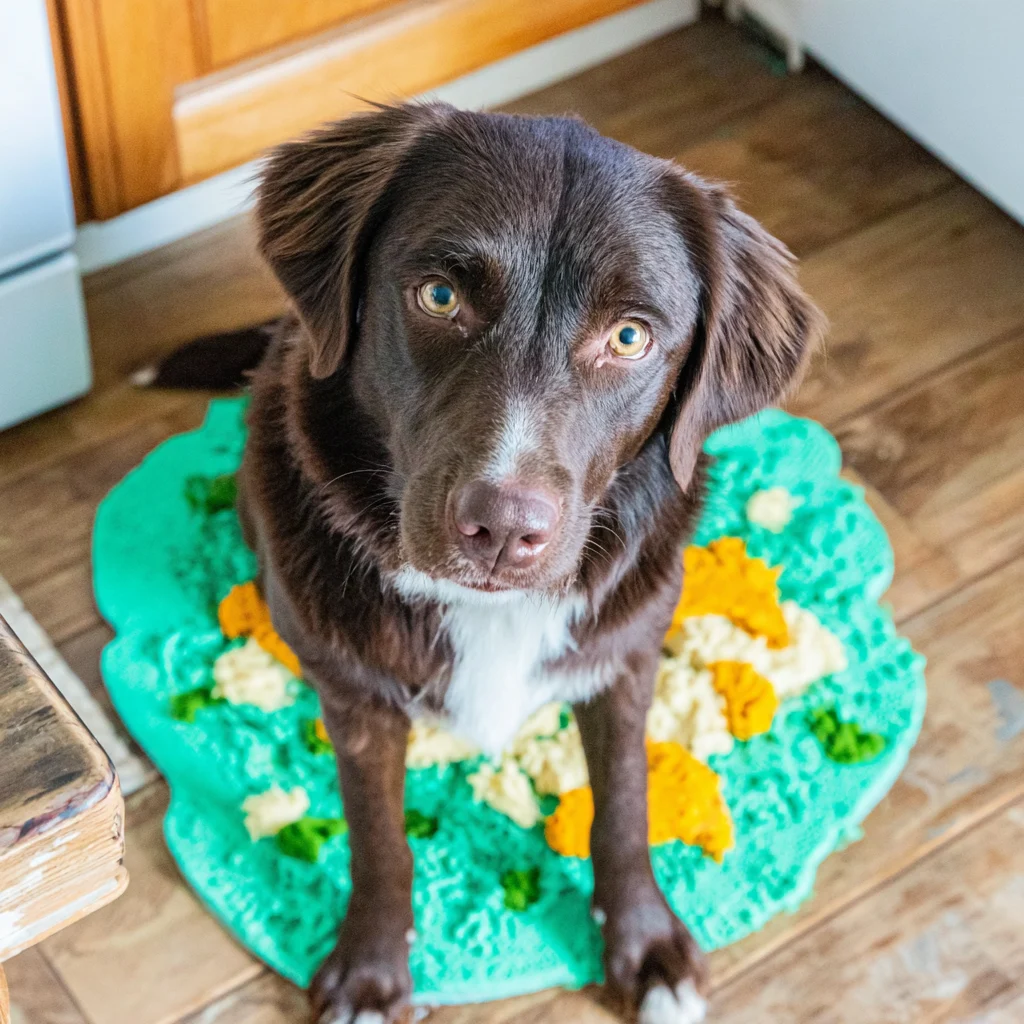
Many pet parents make treats too large, causing dogs to grab and gulp instead of methodically searching. Others place all treats in the center, making the activity too easy and less engaging. Avoid leaving dirty mats out permanently, as stale scents can reduce your dog’s interest. Don’t use the snuffle mat as a complete meal replacement initially—start with small portions until your dog masters the technique.
Conclusion
Dog snuffle mats offer an affordable way to provide daily mental enrichment that benefits both anxious and energetic dogs. Try this recipe or guide approach and watch your pup’s confidence grow through successful foraging sessions.
FAQs
How long should snuffle mat sessions last?
Most dogs benefit from 10-15 minute sessions. Stop when your dog appears tired or loses interest to maintain positive associations.
Can puppies use snuffle mats safely?
Yes, but supervise closely and use larger treat pieces to prevent choking. Puppies under 12 weeks should have shorter 5-minute sessions.
What treats work best in snuffle mats?
Small, dry treats or kibble pieces work perfectly. Avoid sticky or wet treats that might soil the fleece or create cleaning difficulties.
How often should I use the snuffle mat?
Daily use is fine, but rotate with other enrichment activities to prevent boredom. Some dogs enjoy morning snuffle sessions before meals.
My dog just flips the mat over. What should I do?
Place the mat in a corner or against furniture to limit movement. You can also hold one edge initially while redirecting them to proper sniffing behavior.
When should I replace my dog’s snuffle mat?
Replace when fleece strips become significantly frayed, loose, or if the rubber base develops tears. Check these helpful tips for maintenance guidance.
DIY Dog Snuffle Mat
Ingredients
Method
- Choose a rubber sink mat with large holes, approximately 12x18 inches for medium dogs. Ensure holes are big enough to thread fleece strips but small enough to hold them securely.
- Cut polar fleece into strips measuring 1.5 inches wide by 8 inches long. Use multiple colors for visual stimulation.
- Thread each fleece strip through adjacent holes, then tie a double knot underneath the mat. Pull knots tight against the rubber base.
- Fill every hole with fleece strips to create a dense foraging surface.
- Begin introduction by placing high-value treats on top of fleece strips, not buried within, to build positive associations.
- Gradually hide treats deeper within fleece layers over several training sessions.
- Scatter treats throughout different depths and sections, avoiding predictable placement patterns.
- Use small training treats or break larger treats into pea-sized pieces to prevent quick consumption.
- Supervise initial sessions to ensure proper sniffing behavior rather than flipping or shaking the mat.
- Clean weekly in cold water with mild detergent and air dry completely before next use.
Leave a Reply