

Choosing the perfect canine companion is one of life’s most rewarding decisions. Understanding the most popular dog breeds helps narrow down your options and find a furry friend that matches your lifestyle, living situation, and personality perfectly.
Understanding the Basics
Popularity rankings reflect more than just trends—they reveal which breeds consistently excel as family companions, working partners, and loyal friends. The American Kennel Club tracks registration data annually, providing insights into breed preferences across the country. These rankings consider temperament compatibility, trainability, health characteristics, and adaptability to various living situations.
Popular breeds often share common traits that make them excellent pets: balanced temperaments, moderate exercise needs, and strong human-dog bonds. However, popularity doesn’t automatically mean suitability for every household. A breed’s energy level, grooming requirements, size, and specific care needs must align with your capabilities and preferences.
Factors influencing breed popularity include media exposure, celebrity ownership, historical significance, and generational preferences. Some breeds maintain consistent rankings over decades, while others experience popularity surges based on movies, social media trends, or changing lifestyle patterns.
Top Dog Breeds and Their Characteristics
Labrador Retriever
America’s most beloved breed combines intelligence, loyalty, and gentle nature. Labs excel with families, adapt to various living spaces, and require moderate daily exercise. Their water-resistant coats and retrieving instincts make them perfect adventure companions.
Golden Retriever
Known for patience and trainability, Golden Retrievers thrive in active households. Their flowing coats require regular brushing, but their friendly disposition and intelligence make them outstanding therapy and service dogs.
German Shepherd
These versatile working dogs bond deeply with their families while maintaining protective instincts. German Shepherds need mental stimulation, consistent training, and substantial exercise to prevent behavioral issues.
French Bulldog
Perfect apartment companions, Frenchies offer big personalities in compact packages. Their minimal exercise needs and affectionate nature appeal to urban dwellers, though their flat faces require careful temperature monitoring.
Bulldog
English Bulldogs charm families with their gentle temperament and low energy requirements. Despite their sturdy appearance, they need climate-controlled environments and careful exercise management due to breathing sensitivities.
Poodle (All Sizes)
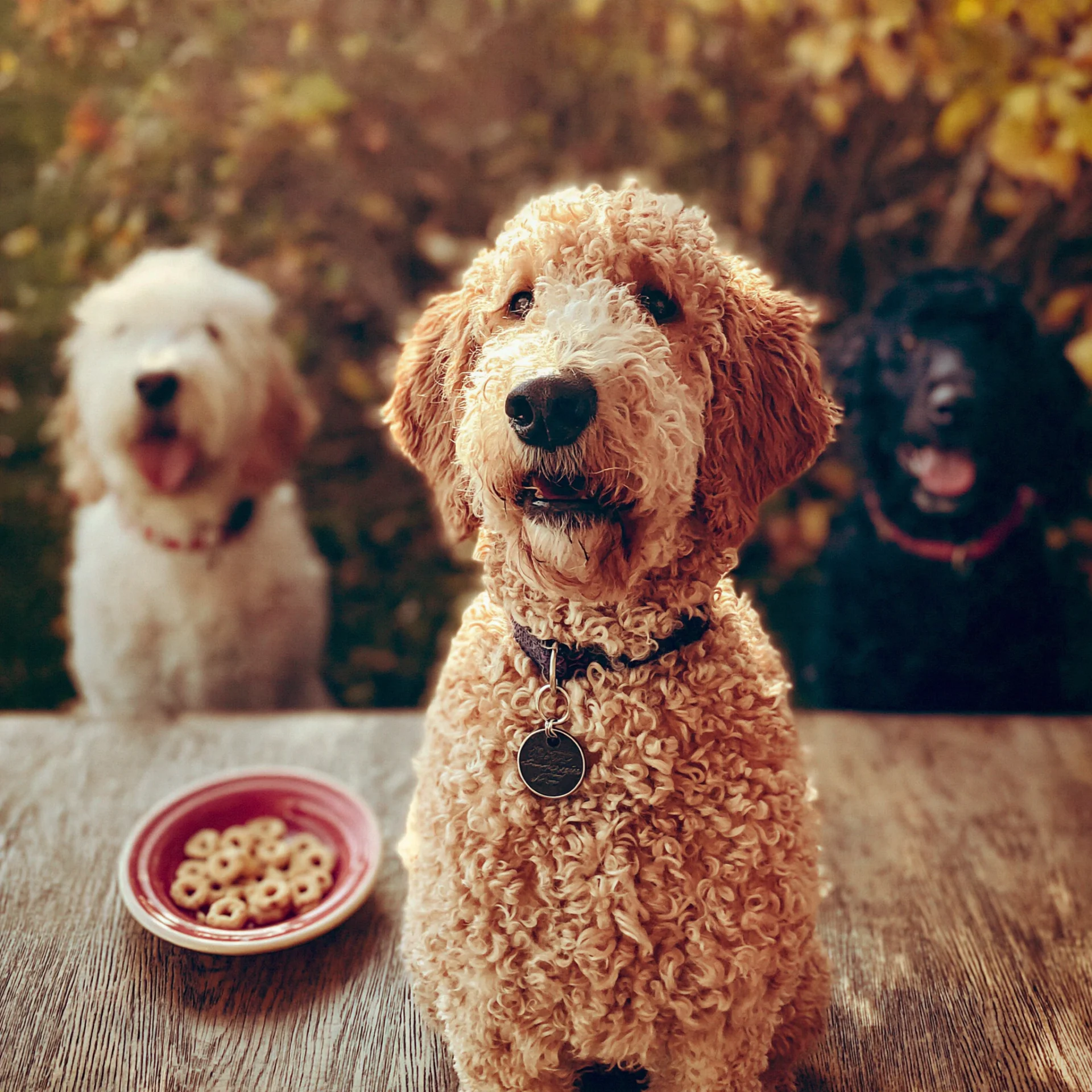
Highly intelligent and hypoallergenic, Poodles excel in various roles from companion to performer. Their curly coats require professional grooming but shed minimally, making them suitable for allergy sufferers.
Beagle
These compact hounds combine curiosity with gentle family behavior. Beagles need secure fencing due to their tracking instincts and benefit from consistent training to manage their vocal tendencies.
Rottweiler
Confident and loyal, Rottweilers require experienced owners who provide firm, consistent leadership. Early socialization and ongoing training help channel their protective nature appropriately.
Yorkshire Terrier
Big attitudes in tiny bodies, Yorkies adapt well to apartment living while maintaining terrier spunk. Their silky coats need regular maintenance, and their small size requires careful handling around children.
Australian Shepherd
These energetic herders thrive with active families who provide mental and physical challenges. Aussies excel in dog sports and need jobs to prevent destructive behaviors from boredom.
Many dog owners find success by exploring various recipe or guide resources to better understand breed-specific needs and care requirements.
Safety & Maintenance
Research breed-specific health concerns and average lifespan expectations before committing. Establish relationships with qualified veterinarians experienced with your chosen breed. Create consistent daily routines that meet your dog’s exercise, mental stimulation, and social needs. Regular grooming, proper nutrition, and preventive healthcare ensure your companion thrives throughout their lifetime.
Common Mistakes to Avoid
Choosing breeds based solely on appearance often leads to mismatched expectations and lifestyle conflicts. Underestimating exercise requirements results in behavioral problems and unhappy pets. Skipping research about grooming needs can create ongoing time and financial burdens. Failing to consider adult size when selecting puppies may cause housing compatibility issues later.
Conclusion
The right breed choice depends on honest assessment of your lifestyle, experience level, and long-term commitment. Popular breeds offer proven track records, but individual dogs within breeds vary considerably in personality and needs.
FAQs
What makes certain dog breeds more popular than others?
Temperament stability, trainability, adaptability to various living situations, and positive media representation contribute to breed popularity rankings.
Do popular breeds make better pets?
Popularity indicates general suitability as companions, but individual needs and preferences determine the best match for specific households.
Should first-time owners choose popular breeds?
Many popular breeds like Labs and Golden Retrievers suit beginners, while others like German Shepherds require more experience.
How do I know if a breed fits my lifestyle?
Evaluate energy levels, space requirements, grooming needs, and time commitments against your daily routine and living situation.
Are mixed breeds better than purebreds?
Both offer advantages—purebreds provide predictable traits while mixed breeds often have fewer genetic health issues.
Where can I learn more about breed selection?
Reputable breeders, breed clubs, and professional tips resources provide valuable guidance for choosing the right companion.

Most Popular Dog Breeds Guide
Ingredients
Method
- Evaluate your lifestyle, living situation, and personality to determine compatibility.
- Consider breed characteristics including temperament, energy level, grooming requirements, and size.
- Research breed-specific health concerns and average lifespan expectations.
- Establish relationships with qualified veterinarians experienced with your chosen breed.
- Create consistent daily routines for exercise, mental stimulation, and social needs.
- Avoid choosing based solely on appearance or popularity rankings.
- Consider both purebreds and mixed breeds based on your specific needs.
Leave a Reply