
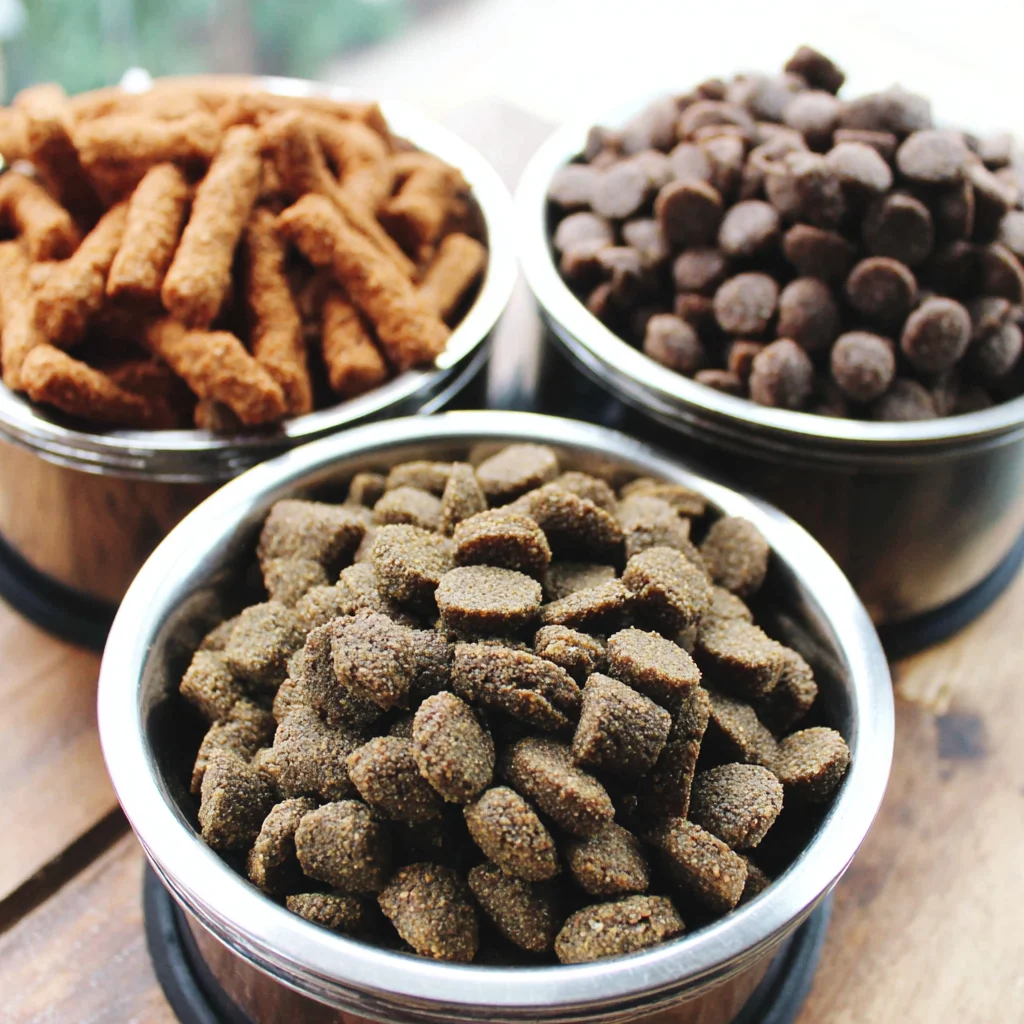
Proper dog kibble storage protects your pet’s health and saves money by preventing spoilage. Many pet owners unknowingly compromise their dog’s nutrition through improper storage methods that allow moisture, pests, and rancidity to ruin expensive food.
Understanding the Basics
Dog kibble deteriorates rapidly when exposed to air, light, heat, and moisture. The fats in kibble become rancid within weeks of opening, creating harmful free radicals that can damage your dog’s cells. Moisture creates the perfect breeding ground for dangerous mold and bacteria, while improper temperatures accelerate nutrient breakdown.
Kibble bags aren’t designed for long-term storage once opened. The inner coating can break down, and the bag material becomes porous over time. Even premium brands lose nutritional value and palatability when stored incorrectly, making your investment worthless.
Temperature fluctuations cause condensation inside storage containers, creating moisture problems even in seemingly dry environments. This explains why kibble stored in garages or basements often develops that stale, musty smell that dogs reject.
Step-by-Step Storage Guide
1. Keep Kibble in Original Packaging
Never dump kibble directly into storage containers. The original bag contains important information like lot numbers and expiration dates. More importantly, the bag’s inner lining provides a moisture barrier that most storage containers lack. Place the entire unopened bag inside your storage container instead.
2. Choose the Right Storage Container
Select airtight containers made from food-grade materials like BPA-free plastic or stainless steel. Avoid containers with rubber gaskets that can harbor bacteria. The container should be large enough to hold the entire bag without crushing it, allowing proper air circulation around the packaging.
3. Control Temperature and Location
Store kibble in a cool, dry location where temperatures remain between 50-70°F. Avoid areas near heat sources, windows, or anywhere temperatures fluctuate dramatically. Kitchen pantries, climate-controlled basements, or dedicated pet food storage areas work best.
4. Monitor Humidity Levels
Maintain humidity below 60% in your storage area. Consider using moisture absorbers or silica gel packets inside the storage container, but ensure they’re safely contained where your dog cannot access them. A small hygrometer helps monitor conditions.
5. Practice First In, First Out
Rotate your kibble supply like grocery stores do. Use older bags before opening new ones, and write purchase dates on bags with permanent marker. Most kibble maintains peak quality for 12-18 months unopened and 6 weeks after opening with proper storage.
6. Inspect Regularly
Check stored kibble weekly for signs of spoilage including unusual odors, visible mold, insect activity, or texture changes. Fresh kibble should smell pleasant and maintain its original color and crunch. When in doubt, discard questionable food rather than risk your dog’s health.
Safety & Maintenance
Clean storage containers monthly with mild soap and water, allowing them to dry completely before refilling. Never mix old and new kibble, as this can contaminate fresh food with bacteria from older portions. Replace storage containers annually or when they show signs of wear, cracking, or persistent odors that won’t wash away.
Common Mistakes to Avoid
Storing kibble in hot garages or damp basements accelerates spoilage and nutrient loss. Buying kibble in bulk without considering your dog’s consumption rate often leads to waste, as most dogs won’t finish large quantities before expiration. Ignoring expiration dates or failing to check for spoilage signs puts your pet at risk for digestive upset or food poisoning. Using non-airtight containers allows pests and moisture to contaminate food, creating health hazards.
Conclusion
Proper dog kibble storage preserves nutrition, prevents waste, and protects your dog’s health. These simple storage techniques ensure every bowl delivers maximum nutritional value while keeping your pet safe from contaminated food.
FAQs
How long does opened kibble stay fresh? Opened kibble maintains peak quality for 6 weeks when stored properly in cool, dry conditions with minimal air exposure.
Can I store kibble in the refrigerator? Refrigeration isn’t necessary and can create condensation problems. Cool, dry pantry storage works better than refrigeration for most kibble types.
What size storage container should I buy? Choose containers that accommodate your dog’s monthly food consumption plus the original packaging without overcrowding.
How do I know if kibble has gone bad? Signs include rancid or unusual odors, visible mold, insect activity, texture changes, or your dog refusing to eat previously accepted food.
Should I freeze extra kibble? Freezing works for long-term storage but requires proper thawing and can affect texture. Only freeze unopened bags in moisture-proof containers.
Where can I find more pet nutrition guidance? Check out our comprehensive recipe or guide collection for additional feeding strategies, and follow our tips for ongoing nutrition support.
Dog Kibble Storage Guide
Ingredients
Method
- Keep kibble in original packaging - never dump directly into containers as the bag provides moisture barrier and important information.
- Choose airtight containers made from food-grade materials like BPA-free plastic or stainless steel, avoiding rubber gaskets that harbor bacteria.
- Select container large enough to hold entire bag without crushing, allowing proper air circulation.
- Place entire unopened bag inside the storage container.
- Store in cool, dry location maintaining temperatures between 50-70°F, avoiding heat sources and areas with temperature fluctuations.
- Maintain humidity below 60% using moisture absorbers or silica gel packets if needed, ensuring they're safely contained away from pets.
- Write purchase dates on bags with permanent marker for rotation tracking.
- Practice first in, first out rotation - use older bags before opening new ones.
- Inspect stored kibble weekly for unusual odors, visible mold, insect activity, or texture changes.
- Clean storage containers monthly with mild soap and water, allowing complete drying before refilling.
- Never mix old and new kibble to prevent contamination.
- Replace storage containers annually or when showing signs of wear, cracking, or persistent odors.
- Discard questionable food rather than risk pet's health.
Leave a Reply