
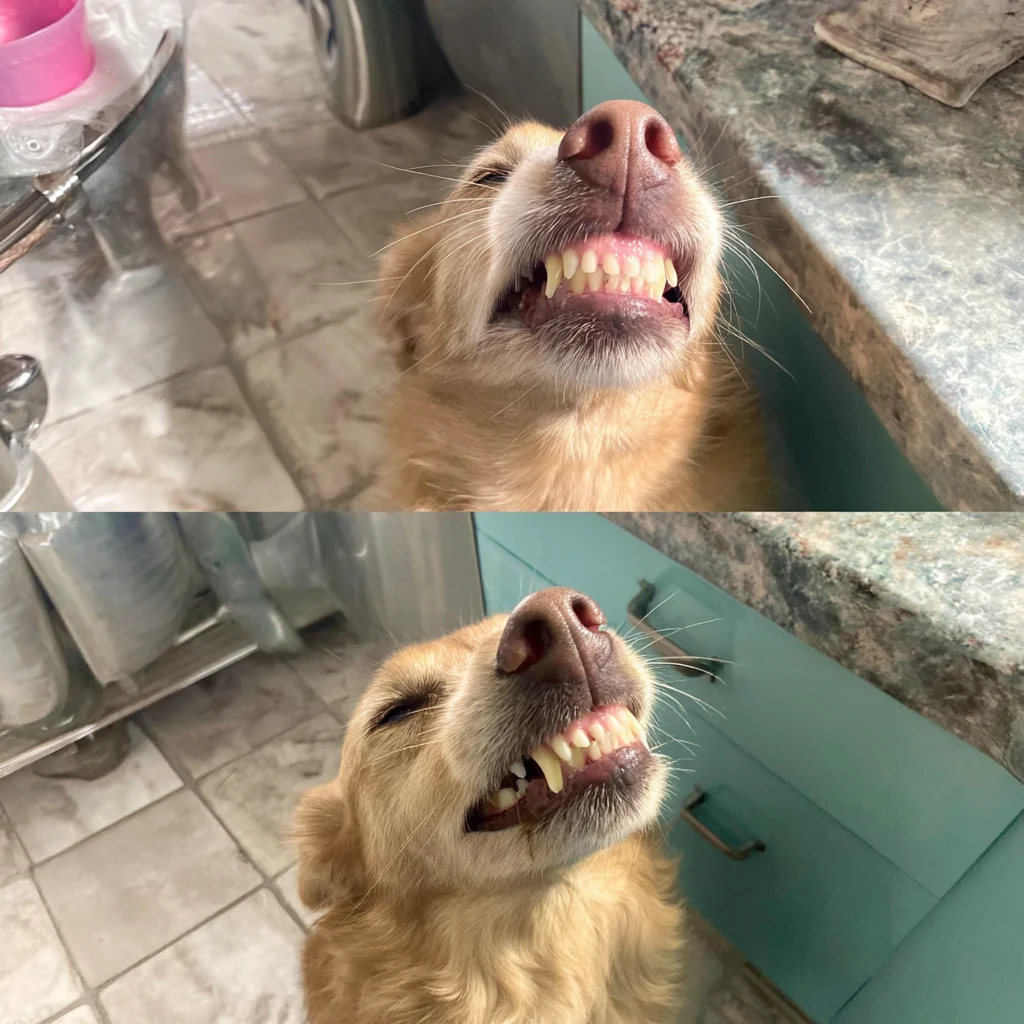
Your dog’s dental health affects their overall well-being more than most pet parents realize. An ultrasonic teeth cleaner for dogs offers a revolutionary approach to maintaining your furry friend’s oral hygiene without the stress of traditional brushing methods that many dogs resist.
Understanding the Basics
Ultrasonic technology works by producing high-frequency sound waves that create microscopic bubbles in water or cleaning solution. When these bubbles collapse, they generate powerful cleaning action that removes plaque, tartar, and bacteria from your dog’s teeth and gumline. This process, called cavitation, reaches areas that traditional brushing often misses.
Most dogs develop dental disease by age three, primarily due to plaque buildup that hardens into tartar. Unlike manual brushing, ultrasonic cleaners penetrate below the gumline where bacteria thrive. The gentle vibrations feel soothing to most dogs, making the cleaning process stress-free for both pet and owner.
Professional veterinary clinics use similar technology during dental cleanings, but home ultrasonic devices offer a convenient maintenance solution between professional treatments. The technology is completely safe when used correctly and doesn’t require anesthesia like professional dental procedures.
Step-by-Step Guide to Using Ultrasonic Teeth Cleaners
Successful ultrasonic cleaning requires proper technique and patience. Follow these steps to achieve optimal results with your ultrasonic teeth cleaner for dogs.
1. Choose the Right Device
Select an ultrasonic cleaner specifically designed for pets. Human devices operate at different frequencies and may be too intense for dogs. Look for models with adjustable settings and pet-safe cleaning solutions. Battery-operated portable units offer convenience for nervous dogs who might be startled by corded devices.
2. Prepare Your Dog
Start with short acclimation sessions. Let your dog investigate the device while it’s turned off. Reward calm behavior with treats and praise. Gradually introduce the sound by running the device near your dog during positive activities like mealtime or play sessions.
3. Position and Technique
Hold the ultrasonic wand at a 45-degree angle against your dog’s teeth. Apply gentle pressure and move slowly across each tooth surface. Spend approximately 10-15 seconds per tooth, focusing on the gumline where plaque accumulates most heavily. The cleaning solution should create a light foam during proper operation.
4. Target Problem Areas
Pay special attention to back molars and canine teeth where tartar builds up fastest. These areas often yellow first and develop the strongest odors. Use circular motions around each tooth base, allowing the ultrasonic waves to penetrate beneath the gumline effectively.
5. Complete the Session
Finish with your dog’s front teeth, which are usually easier to clean and help end the session positively. Rinse your dog’s mouth with fresh water or allow them to drink normally. The entire process should take 5-10 minutes for most dogs.
6. Maintain Consistency
Use your ultrasonic cleaner 2-3 times weekly for maintenance or daily for dogs with existing dental issues. Regular use prevents plaque from hardening into tartar, which requires professional removal. Track your progress by photographing your dog’s teeth weekly to monitor improvements.
Many pet parents find this approach more effective than traditional brushing methods found in our recipe or guide collection for maintaining overall pet health.
Safety & Maintenance
Always use cleaning solutions specifically formulated for dogs, as human products contain ingredients toxic to pets. Never exceed recommended treatment times, as overuse can cause gum irritation. Clean the device thoroughly after each use and replace cleaning heads according to manufacturer guidelines. Store the unit in a dry location away from extreme temperatures. If your dog shows signs of gum bleeding or unusual sensitivity, discontinue use and consult your veterinarian immediately.

Common Mistakes to Avoid
Many pet owners rush the acclimation process, causing their dogs to develop negative associations with the device. Start slowly and build positive experiences gradually. Another frequent error is using excessive pressure, which can damage delicate gum tissue. Let the ultrasonic waves do the work rather than scrubbing vigorously. Skipping regular cleaning of the device itself leads to bacterial buildup and reduced effectiveness. Finally, expecting immediate results often leads to disappointment – consistent use over several weeks produces the most dramatic improvements.
Conclusion
Ultrasonic teeth cleaners offer an innovative solution for maintaining your dog’s dental health at home. With proper technique and consistency, you’ll notice fresher breath and cleaner teeth within weeks of regular use.
FAQs
How often should I use an ultrasonic teeth cleaner on my dog?
For maintenance, use 2-3 times weekly. Dogs with existing dental issues benefit from daily sessions until improvement occurs, then reduce to maintenance schedule.
Will my dog feel pain during ultrasonic cleaning?
Most dogs find the gentle vibrations soothing rather than painful. If your dog shows discomfort, reduce pressure and session length while increasing positive reinforcement.
Can ultrasonic cleaners remove existing tartar buildup?
While effective at preventing new tartar formation, heavy existing buildup typically requires professional veterinary cleaning. Regular use prevents future accumulation.
Are ultrasonic teeth cleaners safe for puppies?
Consult your veterinarian before using on puppies under six months. Adult teeth should be fully developed before beginning ultrasonic treatments.
What cleaning solution should I use with the device?
Only use solutions specifically formulated for dogs. Many devices include appropriate cleaning solutions, or your veterinarian can recommend safe alternatives.
How long before I see results?
Most pet parents notice fresher breath within one week and visible plaque reduction within 2-3 weeks of consistent use.
For additional dental care tips and maintenance strategies, consider combining ultrasonic cleaning with other proven oral health approaches.
How to Use Ultrasonic Teeth Cleaner for Dogs
Ingredients
Method
- Choose an ultrasonic cleaner specifically designed for pets with adjustable settings and pet-safe cleaning solutions. Battery-operated portable units work best for nervous dogs.
- Start acclimation by letting your dog investigate the device while turned off. Reward calm behavior with treats and praise.
- Gradually introduce the sound by running the device near your dog during positive activities like mealtime or play sessions.
- Hold the ultrasonic wand at a 45-degree angle against your dog's teeth with gentle pressure.
- Move slowly across each tooth surface, spending approximately 10-15 seconds per tooth, focusing on the gumline where plaque accumulates.
- Pay special attention to back molars and canine teeth where tartar builds up fastest, using circular motions around each tooth base.
- Finish with your dog's front teeth to end the session positively.
- Rinse your dog's mouth with fresh water or allow them to drink normally after the session.
- Clean the device thoroughly after each use and store in a dry location away from extreme temperatures.
Leave a Reply