
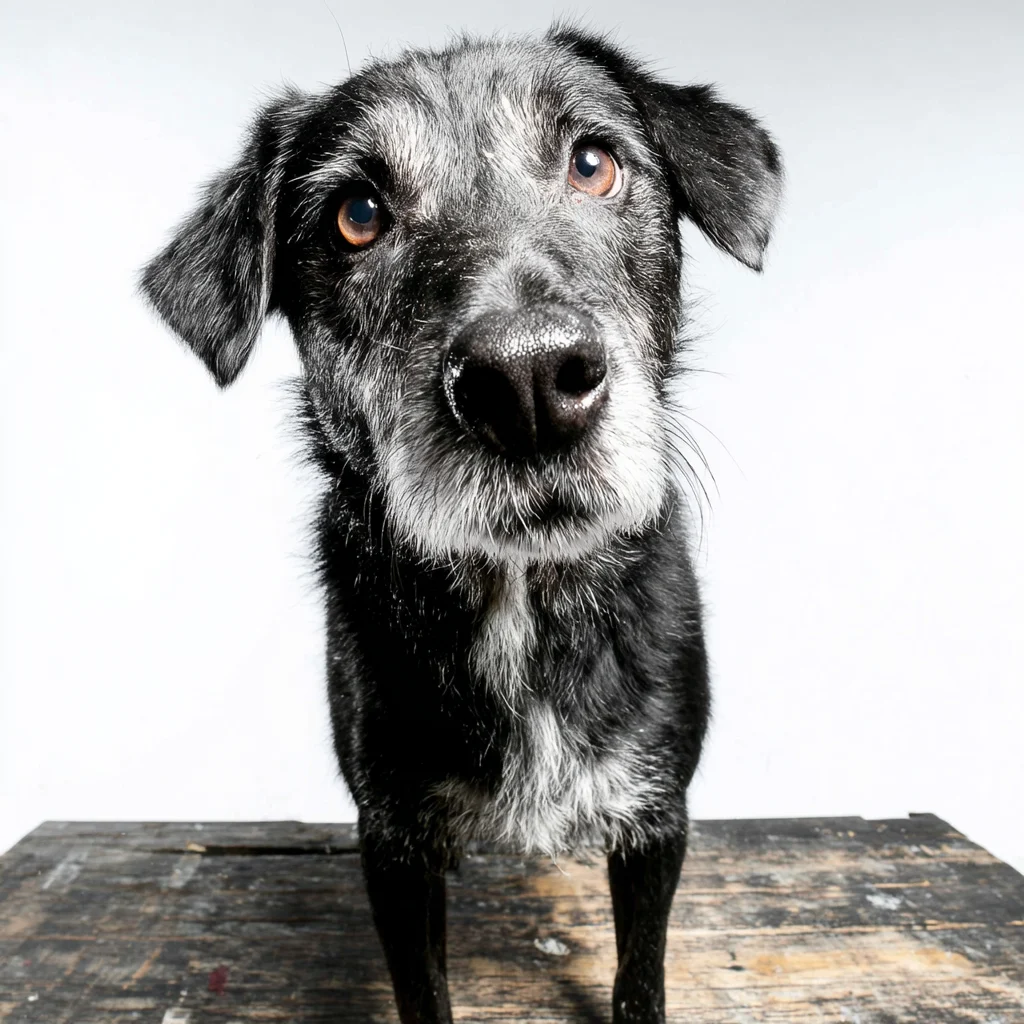
Senior dogs waiting in shelters possess an extraordinary charm that younger puppies simply haven’t developed yet. When you adopt a senior dog, you’re opening your heart to a companion who understands life’s precious moments and brings instant joy to your family.
Understanding the Beauty of Senior Dog Adoption
Senior dogs, typically aged seven years and older, represent some of the most overlooked treasures in animal shelters. These mature companions have lived through puppyhood’s chaos and settled into their true personalities. Unlike younger dogs who require extensive training and socialization, senior dogs come with established temperaments and learned behaviors. They’ve already discovered their preferences for sleeping spots, favorite activities, and comfort routines. This stability makes them ideal matches for families seeking predictable, gentle companions who integrate seamlessly into existing household dynamics.
5 Heartwarming Reasons to Choose a Senior Dog
1. Instant Gratitude and Unwavering Loyalty
Senior dogs seem to understand they’ve been given a second chance at happiness. Their appreciation manifests in gentle tail wags, content sighs, and eyes that sparkle with newfound hope. These mature companions form deep, meaningful bonds with their adoptive families, often becoming shadows who follow their humans from room to room, simply grateful for companionship and love.
2. Pre-Trained and House-Ready
Most senior dogs arrive already house-trained and familiar with basic commands. They understand leash walking, know not to chew furniture, and respect household boundaries. This eliminates the exhausting training phase that comes with puppies, allowing families to focus immediately on building relationships and enjoying peaceful coexistence.
3. Perfect Exercise Partners for Relaxed Lifestyles
Senior dogs appreciate moderate exercise routines that match many adult lifestyles perfectly. They enjoy leisurely neighborhood walks, gentle play sessions, and cozy indoor activities. Unlike energetic puppies requiring hours of intense exercise, senior dogs are content with shorter outings followed by comfortable naps beside their favorite humans.
4. Ideal Companions for Children and Other Pets
Mature dogs typically display remarkable patience and gentleness around children. Their calm demeanor and established social skills make them excellent additions to multi-pet households. Senior dogs have learned appropriate play boundaries and social cues, reducing the risk of accidental injuries or behavioral conflicts that sometimes occur with younger, more exuberant dogs.
5. Saving a Life While Gaining a Best Friend
Senior dogs face the highest euthanasia rates in shelters, despite having so much love left to give. By choosing to adopt a senior dog, you’re literally saving a life while gaining a companion who will cherish every moment of their golden years with you. This mutual rescue creates an incredibly special bond that enriches both lives immeasurably.

Safety and Long-term Care Considerations
Senior dogs may require more frequent veterinary checkups and specialized diets to maintain optimal health. Establish relationships with veterinarians experienced in geriatric pet care, and consider pet insurance to help manage potential medical costs. Create comfortable sleeping areas with orthopedic bedding, and monitor for changes in appetite, mobility, or behavior that might indicate health concerns requiring attention.
Common Mistakes to Avoid
Many adopters assume senior dogs are less adaptable to new environments, but most adjust beautifully with patience and consistency. Avoid overwhelming them with too many changes simultaneously. Don’t skip the adjustment period thinking they’ll adapt instantly. Resist the urge to drastically change their established routines immediately. Instead, gradually introduce new schedules, foods, or recipe or guide modifications to help them settle comfortably into their new homes.
Conclusion
Adopting a senior dog transforms two lives simultaneously – theirs and yours. These gentle souls bring wisdom, gratitude, and unconditional love that creates lasting memories during their precious golden years together.
FAQs
How long do senior dogs typically live after adoption?
This depends on breed, health status, and individual factors, but many senior dogs enjoy several happy, healthy years with proper care and veterinary attention.
Are senior dogs more expensive to care for?
While they may require more frequent vet visits, senior dogs often cost less initially since they’re past the expensive puppy vaccination and training phases.
Do senior dogs bond with new families?
Absolutely! Senior dogs often bond even more deeply than younger dogs because they appreciate stability and comfort after uncertain shelter experiences.
What should I expect during the first few weeks?
Most senior dogs need 2-4 weeks to fully settle into new routines. Expect some initial nervousness followed by gradual relaxation as they realize they’re truly home.
Can senior dogs learn new tricks or routines?
Yes! While they may learn more slowly than puppies, senior dogs can absolutely adapt to new households and even learn new behaviors with patience.
Where can I find additional support for senior dog care?
Many online communities and veterinary resources offer tips specifically for caring for older dogs, plus local senior dog rescue groups often provide ongoing support.
Leave a Reply