
Introduction
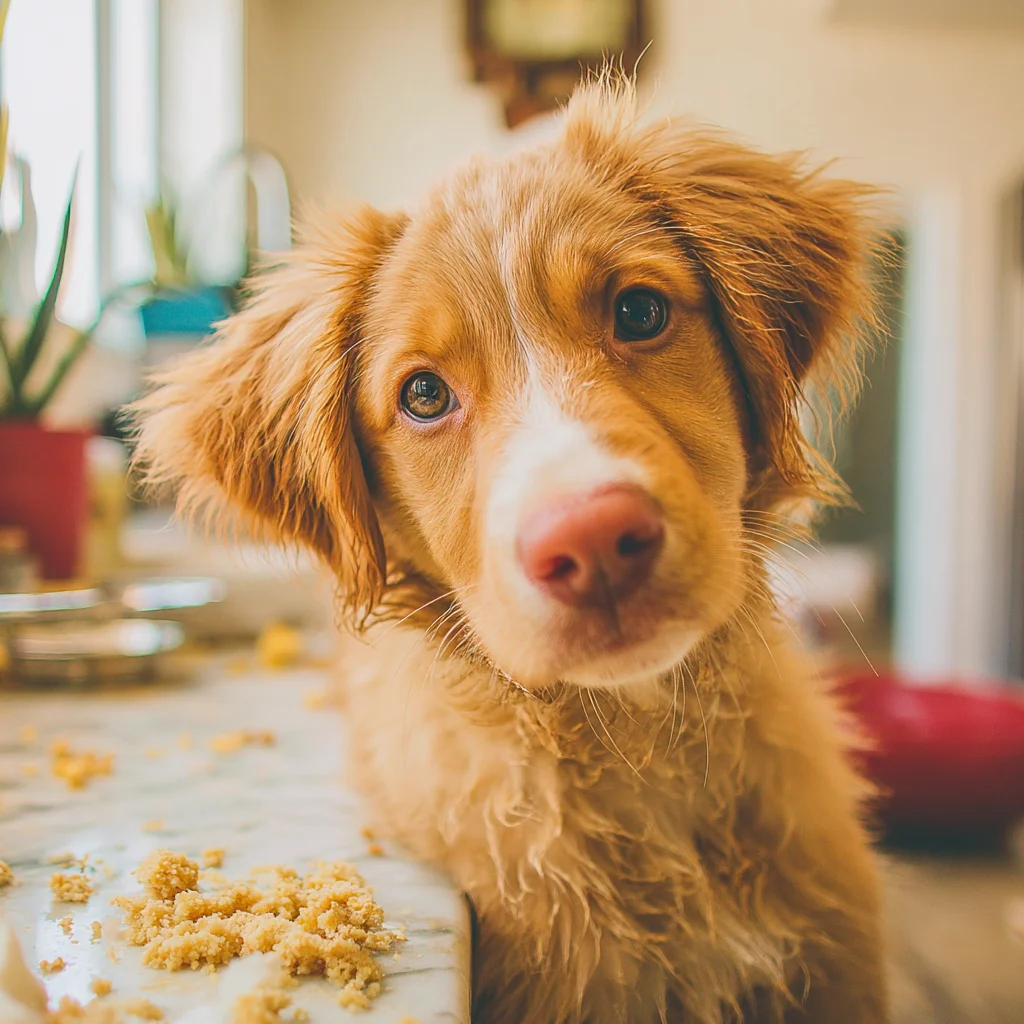
Dealing with stubborn dog hair on furniture, clothes, and carpets can feel overwhelming for any pet parent. Learning how to clean dog hair effectively transforms your home from a furry battlefield into a pristine sanctuary. These five proven methods will revolutionize your cleaning routine, saving you time and frustration while keeping your living space hair-free.
The Core Problem Behind Excessive Dog Hair
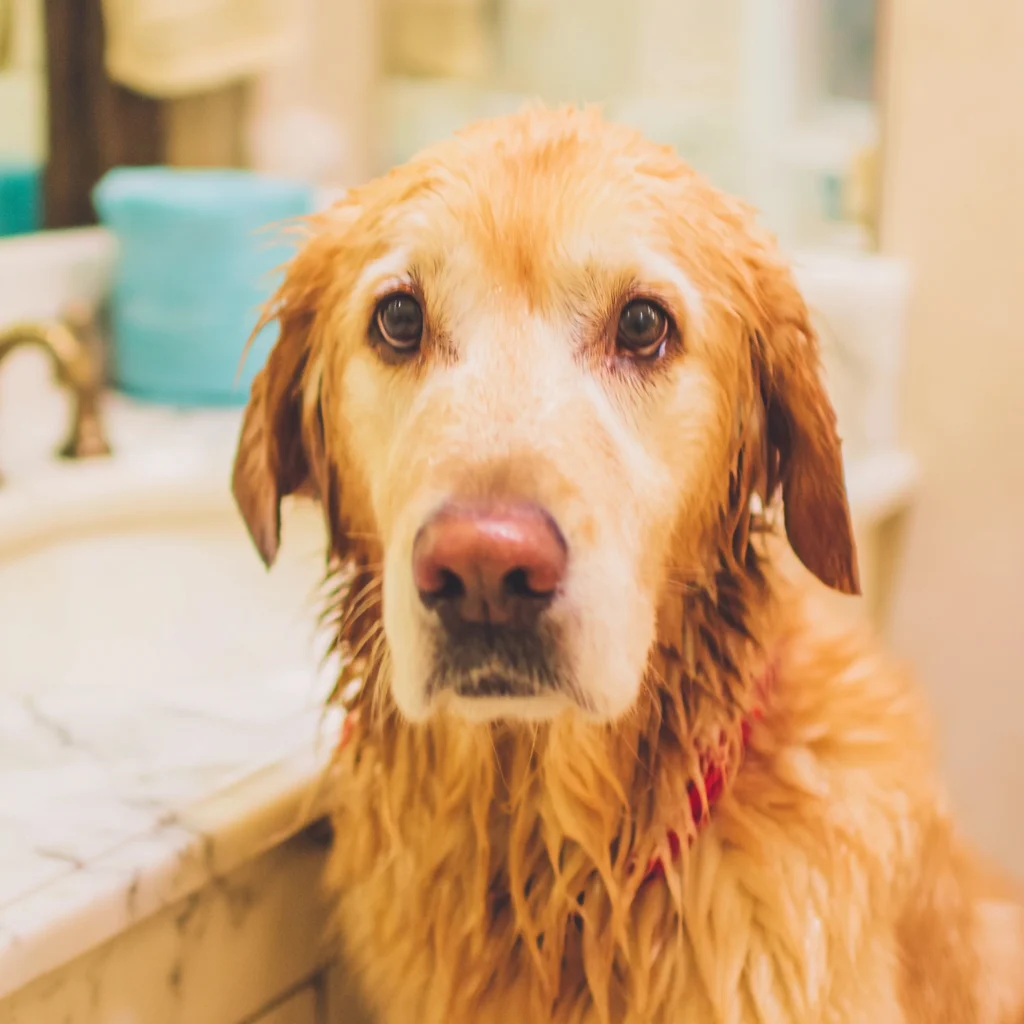
Dog shedding is a natural process that varies significantly based on breed, season, health, and grooming habits. Double-coated breeds like Golden Retrievers and German Shepherds shed year-round, with intense seasonal “blowouts” twice yearly. Single-coated breeds shed more consistently but typically less dramatically.
The real challenge isn’t just the volume of hair—it’s how dog hair behaves. Each strand carries natural oils and static electricity, causing it to cling to fabric fibers, burrow deep into carpet pile, and float through air currents to settle in unexpected places. Understanding this behavior helps explain why traditional cleaning methods often fall short.
Factors that increase shedding include poor nutrition, stress, skin allergies, hormonal changes, and infrequent grooming. While some shedding is inevitable, addressing these underlying causes can significantly reduce the amount of hair you’ll need to clean.
5 Effective Methods to Clean Dog Hair
Method 1: The Dampened Rubber Glove Technique
Put on clean rubber gloves and dampen them slightly with water. The moisture creates the perfect amount of tackiness to grab hair without leaving residue. Run your hands over upholstered furniture, car seats, and bedding in long, deliberate strokes. The hair will ball up, making removal effortless.
This method works exceptionally well because rubber creates friction against fabric while the slight dampness eliminates static electricity that makes hair cling. Rinse gloves frequently to maintain effectiveness.
Method 2: Dryer Sheet Magic
Fabric softener sheets aren’t just for laundry—they’re secret weapons against pet hair. Gently rub dryer sheets across furniture surfaces, baseboards, and even your dog’s coat (avoiding the face). The anti-static properties neutralize the electrical charge that makes hair stick to surfaces.
For best results, use unscented sheets to avoid overwhelming your dog’s sensitive nose. This method also leaves a fresh scent and helps prevent future hair accumulation by creating a temporary anti-static barrier.
Method 3: Strategic Vacuum Attachments
Your vacuum’s upholstery attachment paired with the right technique makes all the difference. Always vacuum in one direction first, then perpendicular to lift embedded hair. Use short, overlapping strokes rather than long sweeps, which can push hair deeper into fabric.
For carpets, lightly mist the area with water from a spray bottle before vacuuming. The slight moisture weighs down floating hair and makes extraction more effective. Clean or replace vacuum filters regularly to maintain suction power.
Method 4: Squeegee Carpet Technique
Window squeegees excel at removing hair from carpeted stairs and area rugs. Pull the squeegee toward you in long strokes, applying moderate pressure. The rubber blade grabs hair from deep within carpet fibers, creating satisfying clumps that are easy to collect.
This method works because rubber creates ideal friction against carpet texture while the rigid blade provides consistent pressure that hands can’t achieve. It’s particularly effective on berber and low-pile carpets.
Method 5: Lint Roller Finishing Touches
High-quality lint rollers with strong adhesive tackle hair that other methods miss. Roll in multiple directions—vertical, horizontal, and diagonal—to capture hair lying in different directions. Apply firm, consistent pressure for maximum pickup.
For large areas, consider lint roller alternatives like tape wrapped around paint rollers (sticky side out) or specialized pet hair removal tools with reusable sticky surfaces.
Expert Tips
Timing matters significantly when tackling pet hair cleanup. Clean during low-humidity days when static electricity is highest—hair will cling better to removal tools. Groom your dog outdoors before shedding season peaks to reduce indoor hair accumulation by up to 60%.
Invest in microfiber cloths specifically designed for pet hair removal. Their electrostatic properties surpass traditional cleaning cloths, and they’re reusable after washing. Pre-treat heavily affected areas with anti-static spray for stubborn hair problems.
Consider installing air purifiers with HEPA filters in rooms where your dog spends most time. These capture airborne hair before it settles on surfaces, reducing overall cleaning time significantly.
Common Myths About Dog Hair Removal
Many owners believe that shaving their dog reduces shedding, but this actually disrupts the natural coat cycle and can increase loose hair production. Similarly, bathing more frequently doesn’t reduce shedding—proper brushing is far more effective.
Another misconception is that “hypoallergenic” dogs don’t shed. While some breeds shed less visibly, all dogs lose hair regularly. The myth that expensive vacuum cleaners automatically handle pet hair better is also false—technique and proper attachments matter more than price.
Some people think fabric softener directly on furniture prevents hair accumulation. This can damage upholstery and create sticky residue that attracts more debris over time.
Summary & Takeaways
• Use dampened rubber gloves for quick furniture cleaning
• Dryer sheets eliminate static electricity that makes hair cling
• Vacuum strategically with proper attachments and technique
• Squeegees excel on carpeted surfaces and stairs
• Lint rollers provide finishing touches for stubborn areas
• Regular grooming prevents excessive indoor shedding
• Clean during low-humidity conditions for best results
Conclusion
Mastering these five methods to clean dog hair transforms an exhausting chore into a manageable routine. Consistency is key—implementing these techniques weekly prevents hair buildup that becomes overwhelming. Remember that every dog and home is unique, so experiment to find the combination that works best for your situation. Your guests will be amazed at your spotless, hair-free home!
FAQs
How often should I clean dog hair from furniture? Weekly maintenance cleaning prevents buildup, but high-shedding breeds may require bi-weekly attention during peak shedding seasons.
Can I use these methods on leather furniture? Yes, but avoid excessive moisture. Dryer sheets and lint rollers work best on leather, while rubber gloves should be barely damp.
What’s the best way to remove hair from car interiors? Combine the rubber glove technique with dryer sheets, followed by a handheld vacuum with upholstery attachment for optimal results.
Do air purifiers really help with pet hair? HEPA air purifiers capture airborne hair and dander, significantly reducing the amount that settles on surfaces throughout your home.
Should I clean dog hair before or after regular vacuuming? Pre-treat with rubber gloves or dryer sheets first, then vacuum. This sequence maximizes hair removal and prevents clogging your vacuum with excessive hair.
Check out more helpful cleaning tips in our comprehensive recipe and care guide collection, or find additional pet care inspiration on our Pinterest page.
Leave a Reply