
Introduction
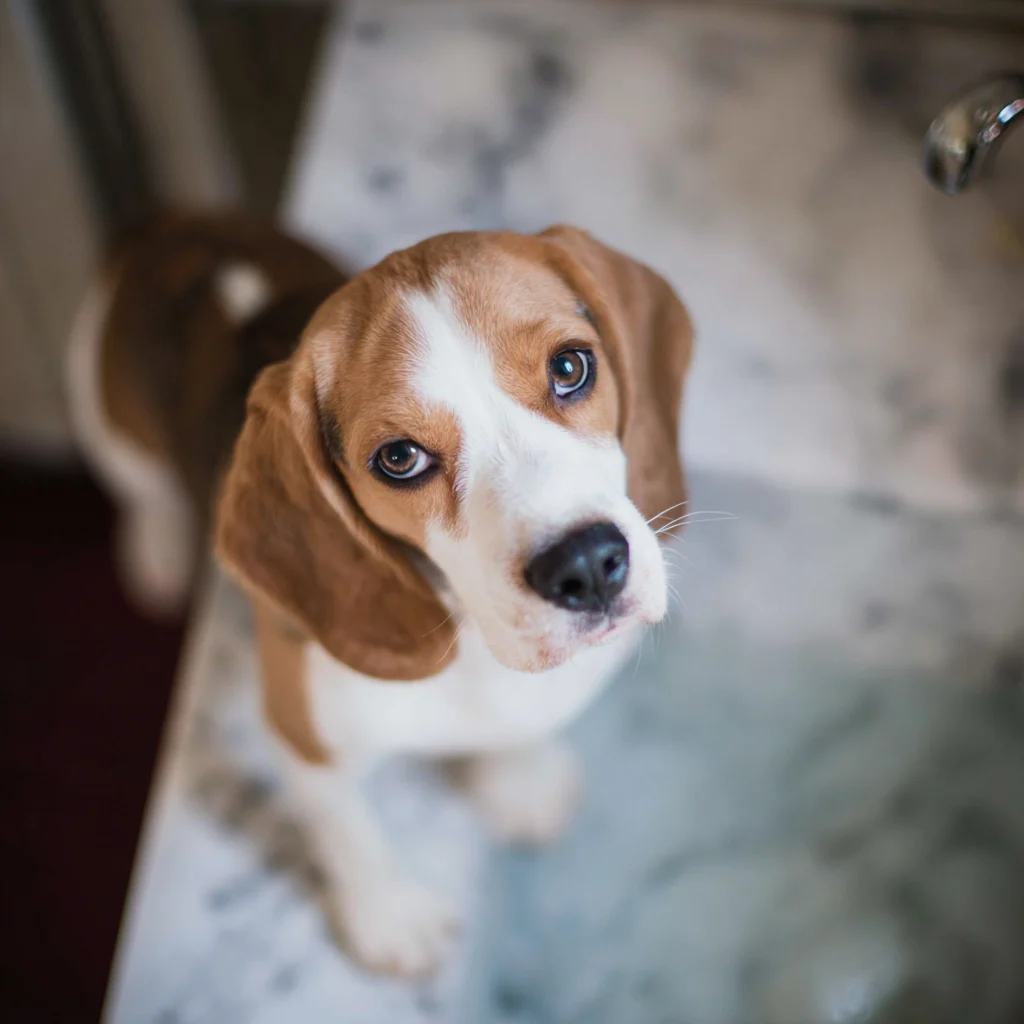
Bringing home a Beagle puppy is an adventure filled with boundless energy, curious snouts, and those irresistible floppy ears. However, Beagle puppy training requires patience and understanding of this breed’s unique characteristics. These intelligent hounds were bred for hunting, which means they come with strong instincts and an independent streak that can challenge even experienced dog owners.
The Core Challenge: Understanding Your Beagle’s Nature
Beagles possess traits that make training both rewarding and challenging. Their exceptional sense of smell—among the best in the canine world—means they’re easily distracted by interesting scents. This breed was developed to work independently while tracking game, resulting in a somewhat stubborn personality that requires consistent, positive reinforcement rather than harsh corrections.
Their pack mentality makes them social and eager to please, but their hunting heritage means they can be selective listeners when something more interesting captures their attention. Understanding these inherent characteristics is the first step toward successful training.
Detailed Training Guide
Starting with Basic Commands
Begin Beagle puppy training with fundamental commands like “sit,” “stay,” “come,” and “down.” Use high-value treats—small pieces of cooked chicken, cheese, or commercial training treats work excellently. Keep training sessions short, around 5-10 minutes, as Beagles can become bored with repetitive activities.
The key is timing your rewards perfectly. The moment your puppy performs the desired behavior, immediately reward with treats and enthusiastic praise. Beagles respond exceptionally well to food motivation, making treat-based training highly effective.
Addressing the Recall Challenge
Teaching a reliable recall command is crucial for Beagles, given their tendency to follow their noses regardless of safety. Start recall training in a secure, fenced area. Call your puppy’s name followed by “come” in an excited, happy tone. When they respond, reward generously with treats and praise.
Never call your Beagle to come for something they perceive as negative, such as ending playtime or giving medication. This creates negative associations with the recall command. Instead, go to your puppy when correction or management is needed.
Leash Training Fundamentals
Beagles can be enthusiastic pullers, especially when following interesting scents. Begin leash training indoors using a lightweight collar and leash. Let your puppy wear the collar for short periods to become comfortable with the sensation.
When starting walks, use the “stop and go” method. When your puppy pulls, immediately stop walking. Only move forward when the leash has slack. This teaches that pulling results in stopping, while loose leash walking allows forward progress toward exciting destinations.
Crate Training Success
Crate training provides security and aids in housebreaking. Choose a crate large enough for your puppy to stand, turn around, and lie down comfortably, but not so large they can eliminate in one corner and sleep in another.
Make the crate appealing by feeding meals inside and placing comfortable bedding and safe chew toys. Never use the crate as punishment. Gradually increase crate time, starting with just a few minutes and building up to longer periods as your puppy becomes comfortable.
Expert Tips
From my experience as a veterinary nutritionist, proper nutrition significantly impacts training success. A well-fed puppy with balanced nutrition learns more effectively than one with dietary deficiencies or blood sugar fluctuations from inconsistent feeding.
Schedule training sessions before meal times when your puppy is hungry and motivated by food rewards. Ensure training treats comprise no more than 10% of daily caloric intake to maintain proper nutrition and prevent weight gain.
Consistency across all family members is crucial. Everyone should use the same commands and reward systems. Mixed messages confuse puppies and slow training progress.
Common Myths
Many owners believe Beagles are stubborn and difficult to train. In reality, they’re intelligent dogs who simply require training methods that work with their natural instincts rather than against them. Their independence doesn’t mean they’re untrainable—it means they need engaging, reward-based methods.
Another myth suggests that food-motivated training creates begging behaviors. When done correctly, using treats in training actually improves impulse control and strengthens the human-dog bond. The key is using treats strategically during training sessions rather than randomly throughout the day.
Summary & Takeaways
• Start training early with short, frequent sessions
• Use high-value treats and positive reinforcement
• Focus on recall training for safety
• Begin leash training indoors before outdoor adventures
• Make crate training a positive experience
• Maintain consistency in commands and expectations
• Work with your Beagle’s natural instincts, not against them
Conclusion
Beagle puppy training requires understanding your dog’s unique personality and working with their natural tendencies. With patience, consistency, and positive reinforcement, your Beagle will develop into a well-behaved companion who brings joy to your family for years to come. Remember that every puppy learns at their own pace, so celebrate small victories along the way.
FAQs
When should I start training my Beagle puppy?
Begin basic training as soon as you bring your puppy home, typically around 8-10 weeks old. Early socialization and basic command training during the critical learning period yields the best results.
How long does it take to house train a Beagle puppy?
Most Beagle puppies can be reliably house trained within 4-6 months with consistent effort. Some may take longer, depending on individual maturity and training consistency.
Why does my Beagle ignore me during walks?
Beagles have powerful noses and can become overwhelmed by interesting scents. This is normal breed behavior, not disobedience. Practice recall training in low-distraction environments before expecting reliable responses outdoors.
Should I use a harness or collar for training?
A well-fitted collar works well for most Beagle puppies. However, if your puppy pulls excessively, a front-clip harness can provide better control while protecting their neck and throat.
What treats work best for Beagle training?
Small, soft, high-value treats like tiny pieces of cooked chicken, cheese, or commercial training treats work excellently. Choose treats your puppy finds irresistible but can eat quickly without chewing.
For more training tips and techniques, check out our comprehensive recipe collection for healthy training treats. You can also find additional resources and inspiration on our Pinterest page.
Leave a Reply