
Introduction
As a veterinary nutritionist, I’ve witnessed the incredible transformation in dogs who’ve switched to grain-free dog food. Whether your pup struggles with digestive sensitivities or you’re simply seeking premium nutrition, grain-free options can be a game-changer. These specialized diets focus on high-quality proteins and wholesome ingredients while eliminating common grains like wheat, corn, and rice that some dogs find difficult to digest.
The Core Problem: Why Dogs Need Grain-Free Options
Many pet parents wonder if grain-free dog food is just another marketing trend. The truth is, while not every dog requires a grain-free diet, certain pups genuinely benefit from this nutritional approach. Dogs with grain allergies or intolerances often experience symptoms like chronic ear infections, skin irritations, excessive scratching, digestive upset, and even behavioral changes due to discomfort.
Unlike their wolf ancestors, modern dogs have evolved to digest some grains, but individual sensitivities vary dramatically. Some dogs thrive on traditional kibble, while others need grain-free alternatives to reach optimal health. Food allergies in dogs are more common than many owners realize, affecting approximately 10% of all dogs.
Detailed Guide to Choosing the Best Grain-Free Dog Food
Understanding Quality Protein Sources
The foundation of excellent grain-free dog food lies in its protein content. Look for foods where deboned meat, fish, or poultry appears as the first ingredient. Premium brands often feature multiple protein sources like salmon, sweet potato, and peas to create a complete amino acid profile.
Quality grain-free formulas typically contain 25-35% protein for adult dogs, with higher percentages for puppies and active breeds. Wild-caught fish, grass-fed beef, and free-range poultry offer superior nutritional value compared to meat meals or by-products.
Alternative Carbohydrate Sources
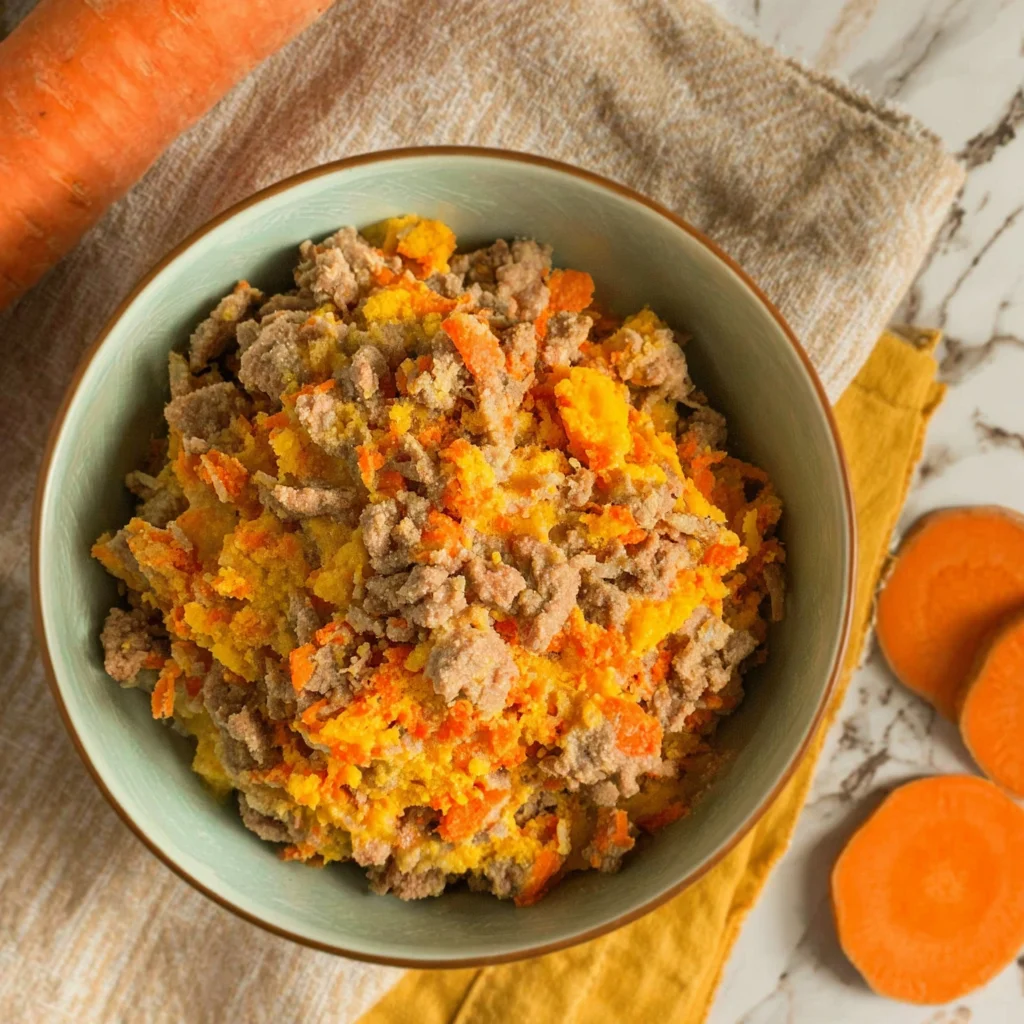
Grain-free doesn’t mean carbohydrate-free. The best grain-free dog foods incorporate nutrient-dense alternatives like sweet potatoes, peas, lentils, chickpeas, and butternut squash. These ingredients provide sustained energy while delivering essential vitamins, minerals, and fiber for digestive health.
Sweet potatoes are particularly beneficial, offering beta-carotene, vitamin A, and natural fiber that supports healthy digestion. Legumes like peas and lentils contribute plant-based protein while maintaining stable blood sugar levels.
Essential Nutrients and Supplements
Top-tier grain-free dog foods include omega-3 fatty acids from fish oil or flaxseed for coat health and cognitive function. Probiotics support digestive wellness, while glucosamine and chondroitin benefit joint health, especially in larger breeds.
Look for foods fortified with antioxidants from blueberries, cranberries, and spinach. These superfoods help combat inflammation and support immune system function naturally.
Reading Labels Like a Pro
Avoid grain-free foods with excessive fillers, artificial preservatives, or unnamed meat sources. Quality brands clearly identify their protein sources and avoid vague terms like “meat meal” or “poultry by-product.”
The guaranteed analysis should show crude protein, fat, fiber, and moisture content. Premium grain-free foods often exceed AAFCO (Association of American Feed Control Officials) minimum requirements significantly.
Expert Tips for Transitioning to Grain-Free Food
Sudden dietary changes can upset your dog’s digestive system. Implement a gradual transition over 7-10 days, mixing increasing amounts of grain-free food with their current diet. Start with 75% old food and 25% new food for the first 2-3 days, then gradually shift the ratio.
Monitor your dog’s stool consistency, energy levels, and appetite during the transition. Some dogs may experience temporary digestive adjustments as their system adapts to new ingredients.
Consider your dog’s life stage, activity level, and specific health needs when selecting grain-free options. Puppy formulas require different nutritional profiles than senior dog foods, even within grain-free categories.
Common Myths About Grain-Free Dog Food
One persistent myth suggests that grain-free diets cause dilated cardiomyopathy (DCM) in dogs. Current research indicates that poorly formulated diets lacking essential nutrients, rather than grain-free formulations themselves, may contribute to heart issues. Quality grain-free foods with adequate taurine and other essential nutrients don’t pose increased DCM risks.
Another misconception claims grain-free foods are automatically healthier for all dogs. While beneficial for dogs with grain sensitivities, dogs without allergies can thrive on high-quality foods containing grains.
Some owners believe grain-free means low-carb, but many grain-free foods contain similar carbohydrate levels from alternative sources like potatoes and peas.
Summary & Takeaways
• Grain-free dog food benefits dogs with specific allergies or sensitivities
• Quality protein sources should be the primary ingredient
• Alternative carbohydrates like sweet potatoes provide excellent nutrition
• Gradual transition prevents digestive upset
• Not all dogs require grain-free diets, but many thrive on them
• Choose reputable brands with transparent ingredient sourcing
Conclusion
Selecting the right grain-free dog food can significantly improve your pet’s quality of life, especially if they struggle with grain sensitivities. Focus on high-quality ingredients, proper nutritional balance, and gradual transitions for the best results. Remember, every dog is unique, so what works wonderfully for one pup might not suit another. Consult with your veterinarian to determine if grain-free nutrition aligns with your dog’s specific needs and health profile.
FAQs
Is grain-free dog food suitable for all dogs?
Not necessarily. While grain-free options benefit dogs with allergies or sensitivities, dogs without these issues can thrive on high-quality foods containing grains.
How long does it take to see improvements on grain-free food?
Most dogs show digestive improvements within 2-3 weeks, while skin and coat changes may take 6-8 weeks to become apparent.
Can puppies eat grain-free dog food?
Yes, but choose puppy-specific grain-free formulas that meet their higher nutritional requirements for growth and development.
What’s the difference between grain-free and limited ingredient diets?
Grain-free eliminates all grains while limited ingredient diets reduce overall ingredient numbers to identify food sensitivities more easily.
Should I consult my vet before switching to grain-free food?
Absolutely. Your veterinarian can help determine if grain-free nutrition suits your dog’s individual health needs and current condition.
For more nutritious meal ideas, check out our comprehensive recipe collection. You can also find additional feeding inspiration on our recipe Pinterest board.
Leave a Reply