
Tripe for Dogs: Shocking Benefits, Top Types & Feeding Hacks You Need
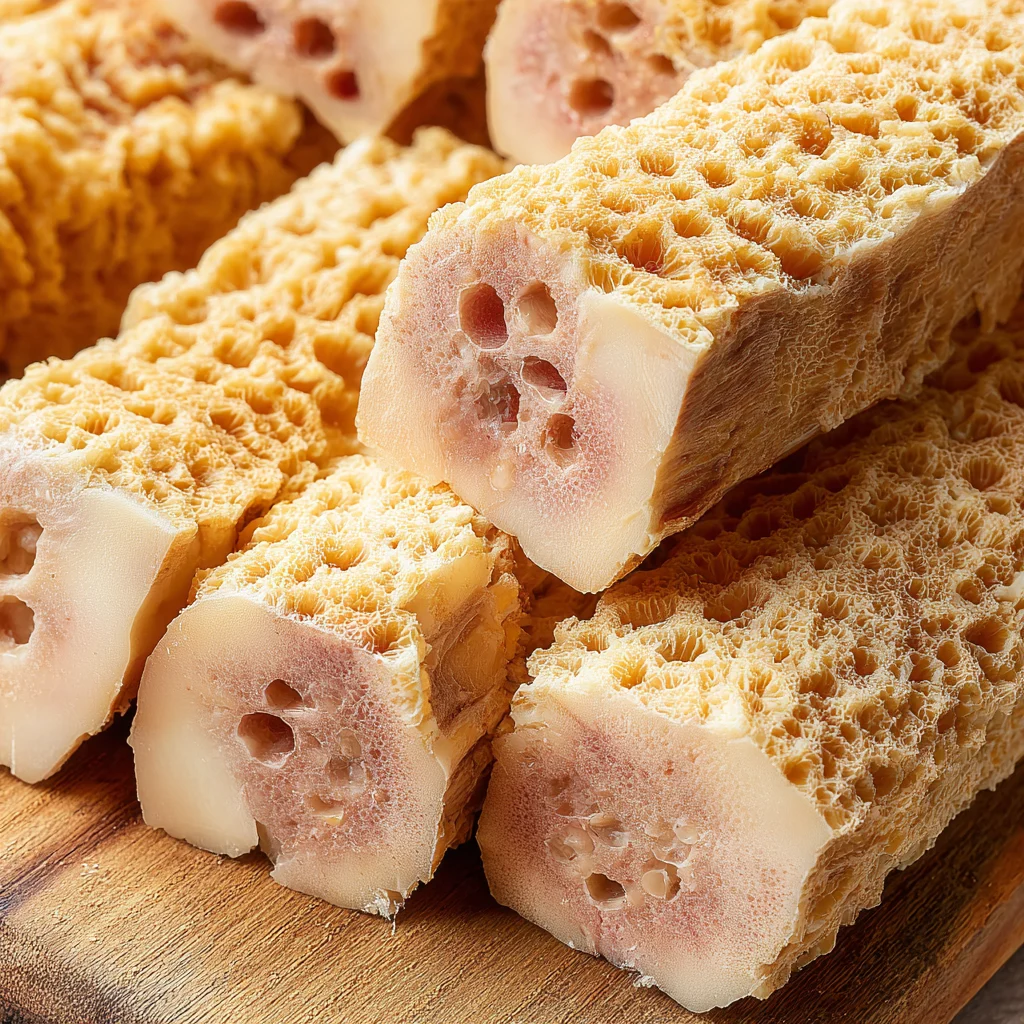
Your dog’s nose perks up at the slightest hint of something special, and tripe for dogs delivers that excitement in spades. This powerhouse protein source offers remarkable digestive benefits and nutritional density that can transform your pup’s health from the inside out.
Understanding the Basics
Tripe represents the edible lining from the stomachs of ruminant animals like cattle, sheep, and goats. For dogs, this isn’t just another protein source—it’s a superfood packed with naturally occurring probiotics, digestive enzymes, and essential amino acids that processed kibble simply cannot match.
The magic lies in how tripe retains its nutritional integrity when served raw or minimally processed. Unlike heavily cooked commercial foods, quality tripe maintains beneficial bacteria that support your dog’s gut microbiome. This creates a foundation for better nutrient absorption, stronger immunity, and improved overall vitality.
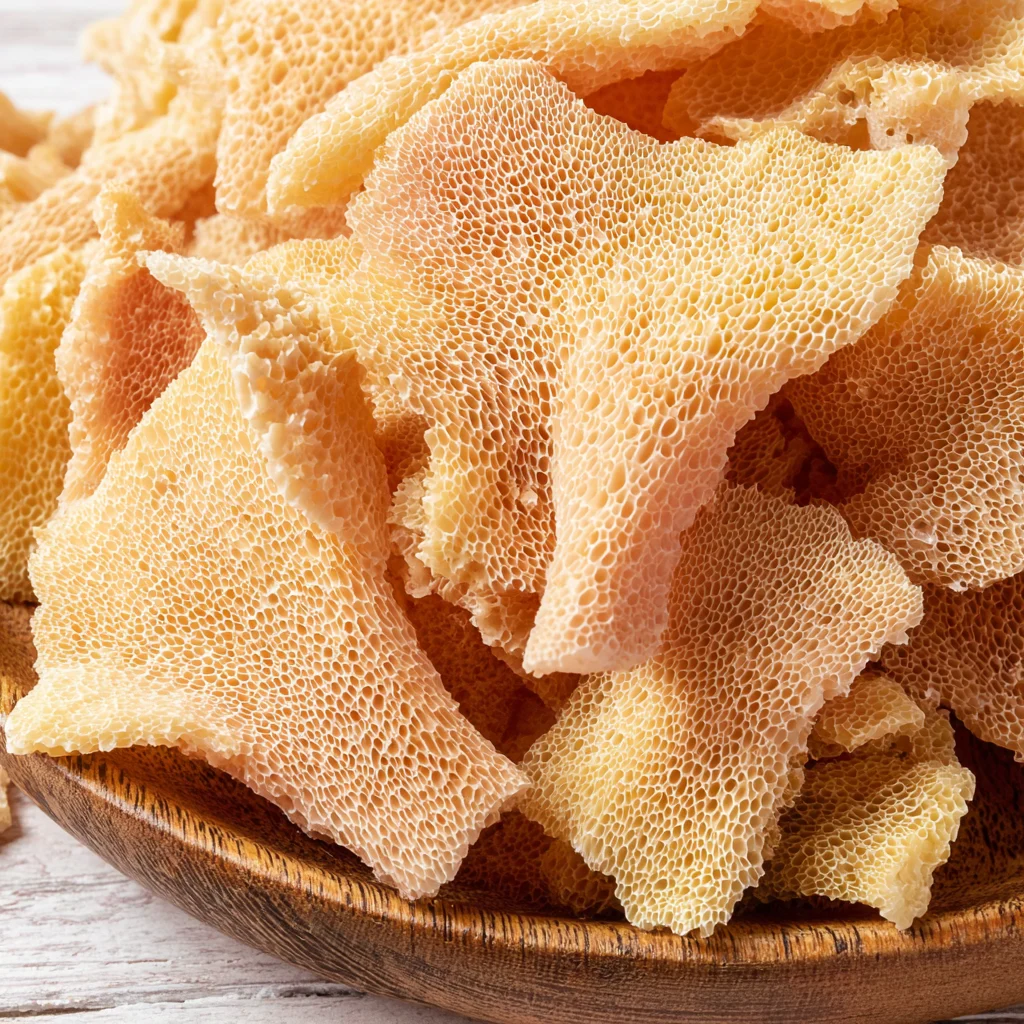
Two main categories exist: green tripe and white tripe. Green tripe comes from grass-fed animals and retains all natural digestive juices, making it the gold standard for canine nutrition. White tripe undergoes bleaching and processing, stripping away most beneficial properties. Smart pet parents consistently choose green varieties for maximum health impact.
Step-by-Step Guide to Feeding Tripe
Successfully incorporating this nutritional powerhouse into your dog’s diet requires careful planning and gradual introduction. These practical steps ensure your pup reaps maximum benefits while avoiding digestive upset.
Start with Small Portions
Begin with tiny amounts—roughly one teaspoon per ten pounds of body weight. Mix this small portion into your dog’s regular meal to mask the initially strong odor. Watch for any signs of loose stools or digestive sensitivity during the first week. Most dogs adapt quickly, but sensitive stomachs need extra time to adjust to this rich protein source.
Choose Quality Sources
Source your tripe from reputable suppliers who specialize in raw pet food. Look for frozen green tripe from grass-fed animals, avoiding any products that appear overly processed or bleached white. Many local butchers carry quality options, and online retailers offer convenient delivery services for consistent supply.
Gradually Increase Serving Size
After successful introduction, slowly increase portions over two to three weeks. Adult dogs typically handle 2-4 ounces per day, depending on their size and activity level. Working dogs or highly active breeds often benefit from larger portions, while senior dogs may need smaller amounts to avoid overwhelming their digestive systems.
Proper Storage and Handling
Keep frozen tripe in airtight containers and thaw only what you’ll use within 24 hours. Never refreeze thawed portions, as this compromises safety and nutritional value. Use separate cutting boards and utensils to prevent cross-contamination, washing everything thoroughly with hot, soapy water after handling.
Monitor Your Dog’s Response
Track improvements in coat shine, energy levels, and stool quality over the first month. Many owners notice firmer stools, reduced gas, and increased appetite within days. Document any changes in a feeding journal, noting portion sizes and your dog’s reactions to establish optimal serving amounts.
Check out our comprehensive recipe or guide collection for more nutritional enhancement ideas that complement tripe feeding.
Safety & Maintenance
Always purchase tripe from trusted sources that follow proper handling procedures and testing protocols. Introduce new proteins gradually to prevent digestive upset, and consult your veterinarian before making significant dietary changes, especially for dogs with existing health conditions or food sensitivities.
Common Mistakes to Avoid
Many enthusiastic pet parents rush the introduction process, causing unnecessary digestive stress. Avoid feeding too much too quickly, which can lead to loose stools and reluctance to try tripe again. Never serve spoiled or improperly stored tripe, and don’t substitute white processed tripe for nutrient-rich green varieties, as you’ll miss most health benefits.
Conclusion
Tripe for dogs represents one of nature’s most complete nutritional packages when introduced properly and sourced responsibly. Start slowly, choose quality products, and watch your dog thrive on this ancestral superfood.
FAQs
How often should I feed my dog tripe?
Most dogs benefit from tripe 2-3 times per week as part of a balanced diet. Daily feeding works for some dogs, but variety remains important for complete nutrition.
Why does green tripe smell so strong?
The distinctive odor comes from natural digestive juices and beneficial bacteria that make tripe so nutritious. The smell indicates freshness and proper processing.
Can puppies eat tripe safely?
Yes, puppies over 8 weeks can enjoy small amounts of quality green tripe. Start with tiny portions and increase gradually as they grow.
What’s the difference between beef and lamb tripe?
Both offer excellent nutrition, though lamb tripe tends to be smaller and sometimes easier for smaller dogs to handle. Beef tripe provides slightly higher protein content.
Should I cook tripe before serving?
Raw green tripe retains maximum nutritional benefits. Light cooking is acceptable but reduces beneficial enzymes and probiotics that support digestive health.
How do I know if the tripe is fresh?
Fresh tripe should smell strong but not putrid, maintain firm texture, and show no signs of slimy coating or unusual discoloration.
For additional feeding tips and creative serving ideas, explore our complete resource collection.
Tripe for Dogs Feeding Guide
Ingredients
Method
- Start with small portions - roughly one teaspoon per ten pounds of body weight
- Mix this small portion into your dog's regular meal to mask the initially strong odor
- Watch for any signs of loose stools or digestive sensitivity during the first week
- Source tripe from reputable suppliers who specialize in raw pet food, looking for frozen green tripe from grass-fed animals
- After successful introduction, slowly increase portions over two to three weeks
- Adult dogs typically handle 2-4 ounces per day, depending on their size and activity level
- Keep frozen tripe in airtight containers and thaw only what you'll use within 24 hours
- Use separate cutting boards and utensils to prevent cross-contamination, washing everything thoroughly with hot, soapy water after handling
- Monitor improvements in coat shine, energy levels, and stool quality over the first month
Leave a Reply