
Introduction
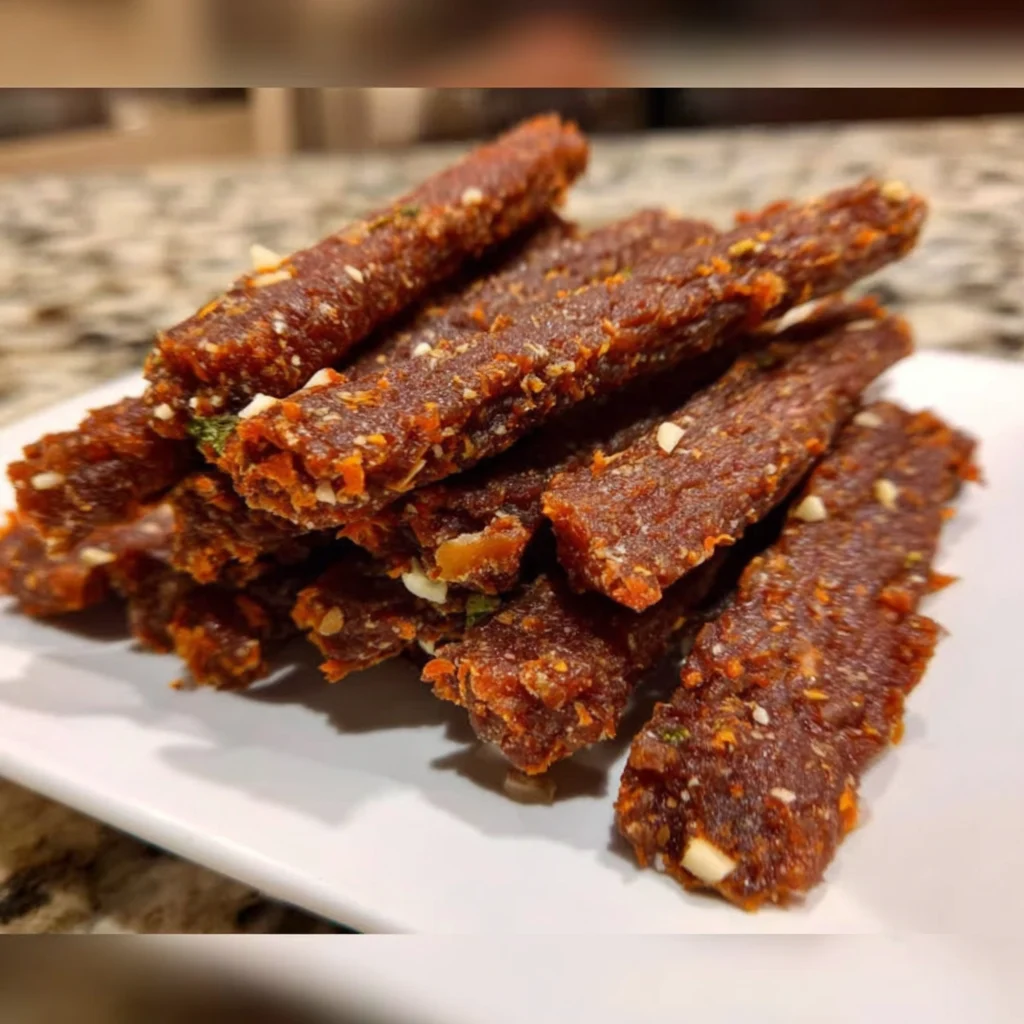
Nothing beats the satisfaction of watching your furry friend enjoy a healthy, homemade treat you’ve crafted with love. These Beef and Vegetable Chew Sticks for Dogs combine lean protein with nutrient-packed vegetables to create the perfect chewy snack that supports your dog’s dental health while delivering exceptional flavor. Unlike store-bought treats loaded with preservatives, these wholesome chew sticks give you complete control over every ingredient.
Ingredients List
Main Ingredients:
- 1 pound lean ground beef (85% lean)
- 1 cup sweet potato, finely grated
- 1/2 cup carrots, finely grated
- 1/4 cup green beans, finely chopped
- 2 large eggs
- 1 cup whole wheat flour (or oat flour)
- 1 tablespoon coconut oil, melted
Healthy Substitutions:
- Ground Turkey: Replace beef with lean ground turkey for a lighter protein option
- Pumpkin: Substitute sweet potato with pure pumpkin puree for extra fiber
- Rice Flour: Use rice flour instead of wheat flour for dogs with grain sensitivities
Timing
- Prep Time: 15 minutes
- Cook Time: 25-30 minutes
- Total Time: 45 minutes
- Cooling Time: 30 minutes
How to Make It
1. Prepare Your Workspace
Preheat your oven to 350°F (175°C) and line two baking sheets with parchment paper. This temperature ensures the chew sticks cook evenly without becoming too hard for your dog’s teeth. Gather all your ingredients and finely grate the sweet potato and carrots – the smaller pieces will bind better and create a smoother texture.
2. Mix the Wet Ingredients
In a large mixing bowl, combine the ground beef, beaten eggs, and melted coconut oil. Mix thoroughly with your hands until the beef is evenly coated. The coconut oil not only adds healthy fats but also helps bind the ingredients while providing a subtle flavor dogs adore.
3. Add the Vegetables
Fold in the grated sweet potato, carrots, and chopped green beans. The mixture should feel slightly moist but not wet. These vegetables provide essential vitamins and natural sweetness that makes these chew sticks irresistible to dogs while supporting their immune system and digestive health.
4. Incorporate the Flour
Gradually add the flour, mixing until a firm dough forms. The dough should hold together when squeezed but not be sticky. If it’s too wet, add flour one tablespoon at a time. This step is crucial for achieving the right chewy texture that promotes healthy chewing behavior.
5. Shape the Chew Sticks
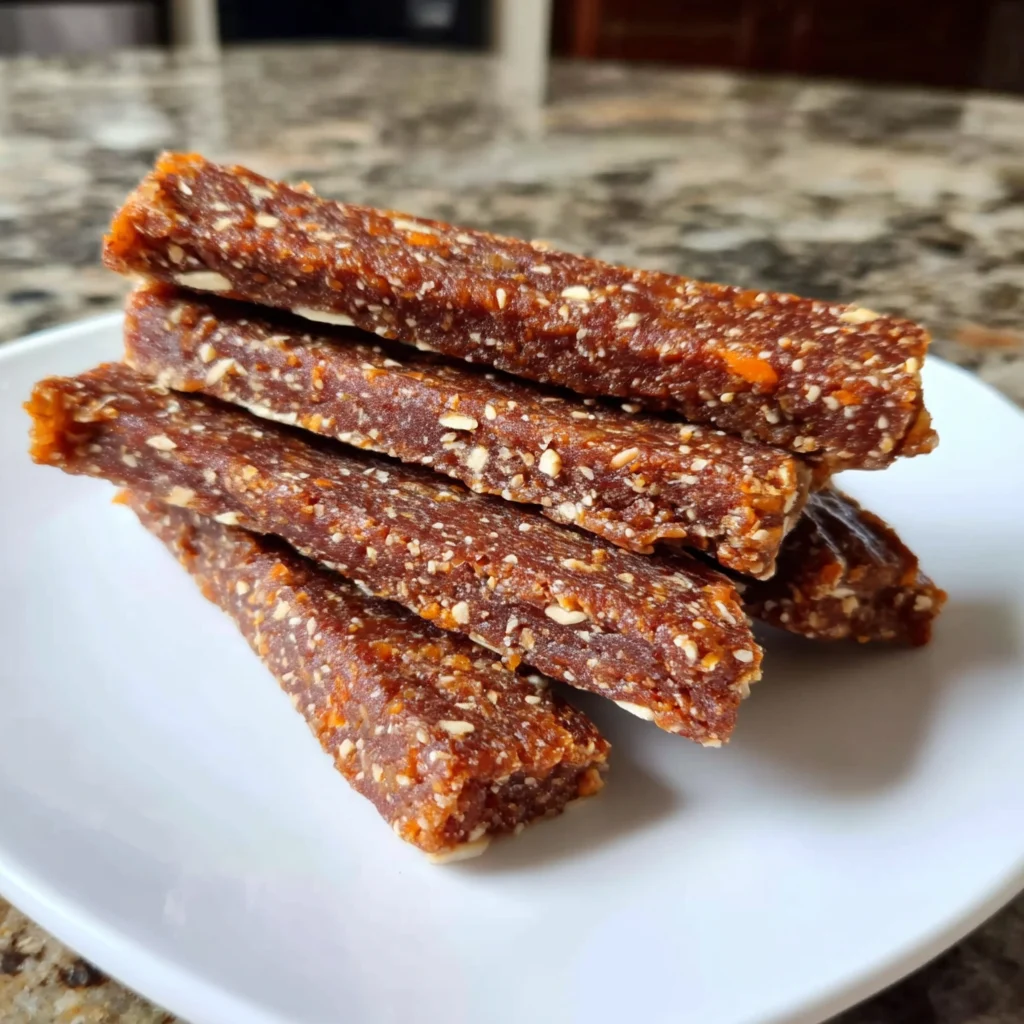
Roll portions of the mixture into stick shapes, approximately 4 inches long and 1/2 inch thick. Keep them uniform in size to ensure even cooking. The stick shape is perfect for dogs to grip and chew, helping to naturally clean their teeth and massage their gums.
6. Bake to Perfection
Place the shaped sticks on your prepared baking sheets, leaving space between each one. Bake for 25-30 minutes until they’re firm to the touch and lightly golden brown. The aroma of beef and vegetables will fill your kitchen, and your dog will likely be waiting eagerly nearby!
Nutritional Information
Each chew stick provides approximately:
- Protein: 8-10 grams (supports muscle maintenance)
- Healthy Fats: 3-4 grams (promotes coat health)
- Fiber: 2 grams (aids digestion)
- Vitamins A & C: From sweet potatoes and carrots
- B-Vitamins: From lean beef
- Calories: 45-55 per stick
Serving & Storage
Serving Guidelines:
- Small dogs (under 20 lbs): 1/2 to 1 stick per day
- Medium dogs (20-50 lbs): 1-2 sticks per day
- Large dogs (over 50 lbs): 2-3 sticks per day
Storage Instructions:
Store in an airtight container in the refrigerator for up to one week. For longer storage, freeze individual sticks in freezer bags for up to three months. Frozen chew sticks can be given directly to dogs – many actually prefer the extra firmness!
Common Mistakes
Over-mixing the dough can result in tough, hard chew sticks that are difficult for dogs to enjoy. Skipping the cooling period is another frequent error – hot treats can burn your dog’s mouth and won’t have the proper chewy texture. Making sticks too thick increases cooking time and may create treats that are too hard for smaller dogs to safely chew.
Expert Tips
As a veterinary nutritionist, I recommend introducing these chew sticks gradually, especially for dogs with sensitive stomachs. The combination of beef and vegetables provides balanced nutrition while the chewy texture helps reduce plaque buildup. Always supervise your dog during treat time and choose appropriate sizes based on your dog’s breed and chewing habits.
Common Myths
Many pet parents believe homemade treats are too time-consuming, but these chew sticks require minimal active preparation time. Another misconception is that dogs need artificial flavoring – the natural beef and vegetable combination provides plenty of appealing taste. Some owners worry about using flour, but whole grain flours in moderation provide beneficial fiber for most dogs.
Summary & Takeaways
- Use lean ground beef for optimal protein without excess fat
- Grate vegetables finely for better binding and digestion
- Maintain proper stick dimensions for safe chewing
- Store properly to maintain freshness and texture
- Adjust serving sizes based on your dog’s weight and activity level
Conclusion
These Beef and Vegetable Chew Sticks for Dogs offer the perfect combination of nutrition, flavor, and dental benefits that commercial treats simply can’t match. By making them at home, you’re providing your beloved companion with wholesome ingredients while saving money and ensuring quality. Your dog’s enthusiastic response will be all the reward you need to make this recipe a regular part of your treat-making routine.
FAQs
Can puppies eat these chew sticks?
Yes, but cut them into smaller pieces for puppies under 6 months old. The softer texture makes them appropriate for developing teeth.
What if my dog has a beef allergy?
Substitute ground turkey, chicken, or even cooked fish. The vegetables and binding ingredients remain the same for consistent texture.
How do I know if the sticks are properly cooked?
They should be firm to the touch but not rock-hard. A properly cooked stick will have slight give when pressed but won’t crumble.
Can I add other vegetables?
Absolutely! Zucchini, peas, and spinach work well. Avoid onions, mushrooms, or any vegetables toxic to dogs.
Why are my chew sticks crumbling?
This usually indicates insufficient binding ingredients. Add an extra egg or a tablespoon of flour to improve cohesion. Find more helpful tips and recipe variations on our Pinterest page.
Leave a Reply