
Introduction
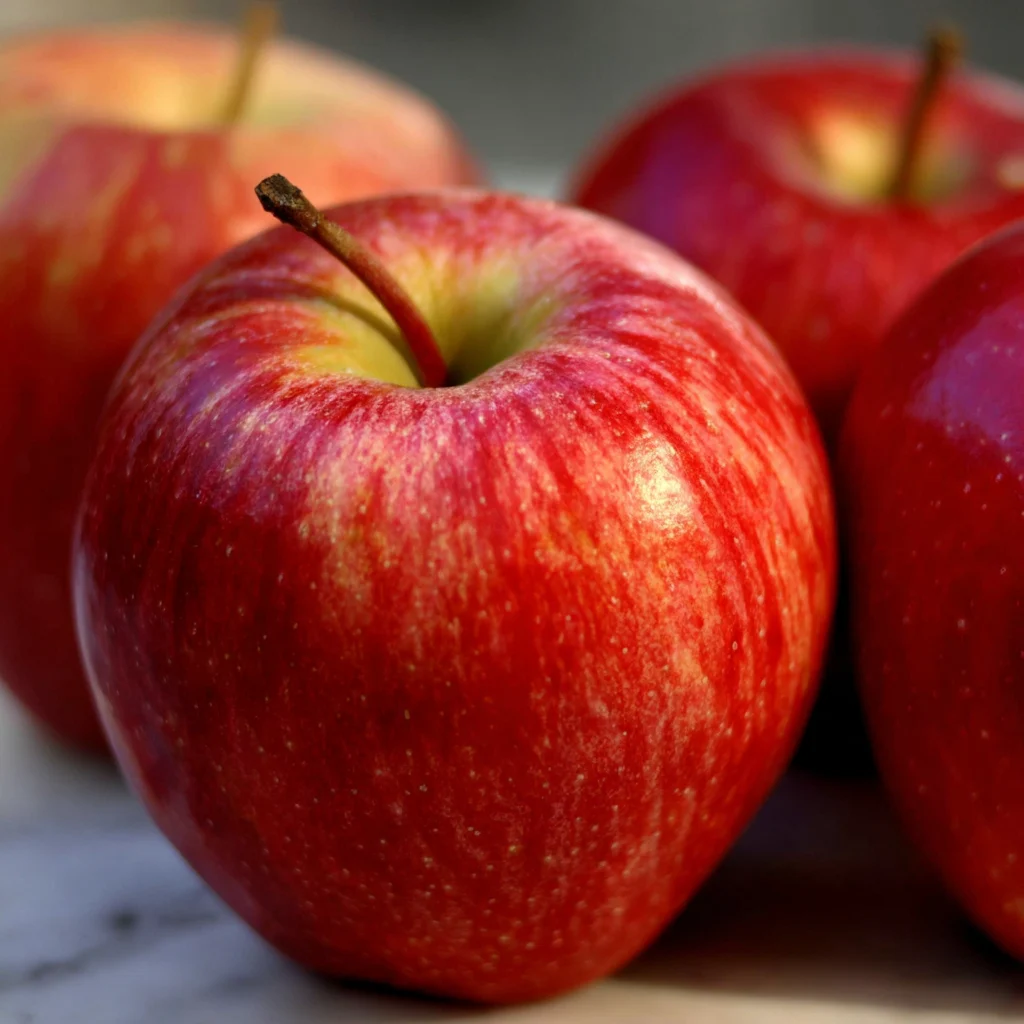
Good news for pet parents wondering “can dogs eat apples” – yes, they absolutely can! Apples make an excellent, nutritious treat for your furry friend when prepared properly. These crisp, sweet fruits are packed with vitamins, fiber, and antioxidants that can benefit your dog’s health in multiple ways.
Apples Are Safe and Beneficial for Dogs
Apples contain essential nutrients that support your dog’s overall wellbeing. The natural fiber aids digestion, while vitamin C boosts immune function. The antioxidants in apples help combat free radicals and may contribute to better long-term health. Plus, the natural sweetness makes them an irresistible treat most dogs love.
However, preparation is key to ensuring safety. While apple flesh is perfectly safe, certain parts of the fruit require careful attention to prevent potential health issues.
Complete Guide to Feeding Apples to Your Dog
Safe Apple Preparation Methods
Start by selecting fresh, organic apples when possible to minimize pesticide exposure. Wash the apple thoroughly under running water, scrubbing the skin gently to remove any residual chemicals or dirt.
Remove the core completely, including all seeds. Apple seeds contain amygdalin, which releases cyanide when digested – toxic to dogs in large quantities. While a few seeds won’t cause immediate harm, it’s best to eliminate this risk entirely.
Cut the apple into appropriately sized pieces based on your dog’s size. Small dogs should receive thin slices or small cubes, while larger dogs can handle bigger chunks. Remove the stem and any remaining core material.
Portion Control and Frequency
Treats should never exceed 10% of your dog’s daily caloric intake, and apples fall into this category. A few small slices for small dogs or 2-3 larger pieces for big dogs make appropriate serving sizes.
Start with smaller amounts to gauge your dog’s tolerance. Some dogs may experience digestive upset if they consume too much fiber too quickly. Monitor your pet’s reaction and adjust portions accordingly.
Best Ways to Serve Apples
Fresh apple slices work wonderfully as training treats or between-meal snacks. You can also freeze apple pieces for a refreshing summer treat that provides entertainment as your dog works to eat the frozen fruit.
Dehydrated apple chips make excellent portable treats, but ensure they contain no added sugars or preservatives. Some pet parents enjoy mixing small apple pieces into their dog’s regular food for added flavor and nutrition.
Dog Nutritional Benefits
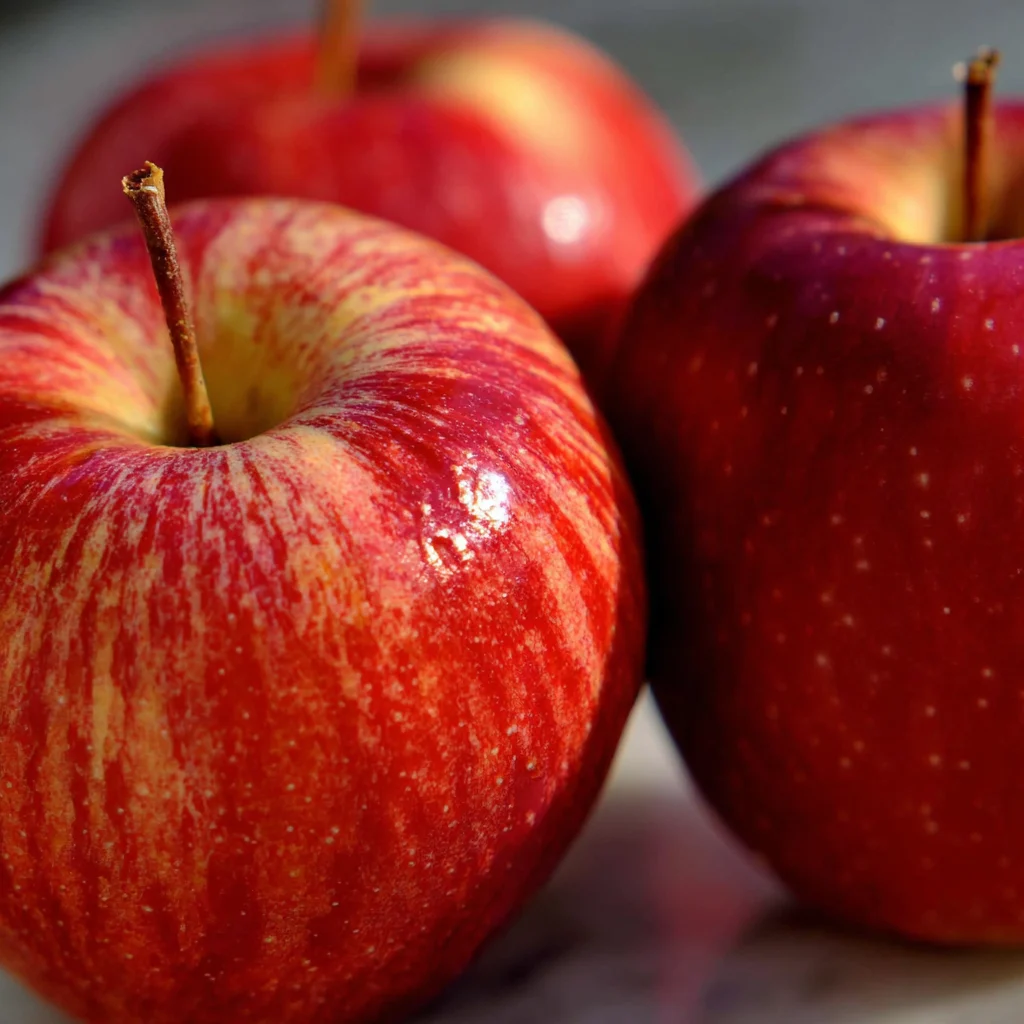
Apples provide impressive nutritional value for dogs when incorporated thoughtfully into their diet. The high fiber content supports healthy digestion and can help dogs feel satisfied, making apples particularly beneficial for weight management.
Vitamin C in apples acts as a powerful antioxidant, supporting immune system function and helping combat cellular damage. While dogs produce their own vitamin C, additional sources can provide extra immune support, especially for senior dogs or those under stress.
The natural sugars in apples provide quick energy, making them excellent post-exercise treats. Potassium supports heart health and proper muscle function, while vitamin A promotes healthy vision and skin.
Expert Tips for Apple Safety
Always introduce apples gradually into your dog’s diet to prevent digestive upset. Watch for signs of gastrointestinal distress like loose stools or excessive gas, which may indicate your dog is sensitive to the fruit’s fiber content.
Never feed your dog apple pie filling, caramel apples, or other processed apple products containing sugar, spices, or artificial sweeteners. These additives can be harmful to dogs and negate the health benefits of fresh apples.
Store cut apple pieces in the refrigerator for up to three days, but fresh is always best. Avoid giving your dog apples that have begun to ferment or show signs of spoilage.
Common Myths About Dogs and Apples
Many pet owners believe all fruits are dangerous for dogs, but this isn’t true. While some fruits like grapes are toxic, apples are among the safest fruit options when prepared correctly.
Another misconception is that dogs can’t digest plant matter effectively. While dogs are primarily carnivorous, they can derive nutritional benefits from certain fruits and vegetables, including apples.
Some worry that the natural sugars in apples will cause weight gain or diabetes. When given in appropriate portions, the fiber in apples actually helps regulate blood sugar levels rather than causing spikes.
Summary & Takeaways
• Apples are safe and nutritious treats for dogs when prepared properly
• Always remove seeds, core, and stem before serving
• Start with small portions and monitor your dog’s reaction
• Fresh apple slices make excellent training treats
• Never exceed 10% of daily calories from treats
• Choose organic apples when possible to reduce pesticide exposure
Conclusion
Apples can be a wonderful addition to your dog’s treat repertoire when served safely and in moderation. Their nutritional benefits, combined with most dogs’ love for their sweet taste, make them an excellent choice for health-conscious pet parents. Remember to always prepare them properly and introduce them gradually into your dog’s diet. For more healthy treat ideas, check out our recipe collection.
FAQs
Can puppies eat apples? Yes, puppies can eat apples, but start with very small amounts and ensure pieces are cut small enough to prevent choking. Wait until they’re at least 8 weeks old and eating solid food regularly.
How many apple slices can I give my dog daily? This depends on your dog’s size, but generally 2-3 thin slices for small dogs and up to 4-5 pieces for large dogs is appropriate. Always stay within the 10% treat rule.
What should I do if my dog ate apple seeds? Don’t panic if your dog consumed a few seeds accidentally. Monitor for symptoms like difficulty breathing or lethargy, and contact your vet if you notice any concerning changes.
Are green apples safer than red apples for dogs? Both varieties are equally safe when prepared properly. Green apples may be slightly more tart, while red apples tend to be sweeter, but both offer similar nutritional benefits.
Can diabetic dogs eat apples? Consult your veterinarian first, but the fiber in apples can help regulate blood sugar. However, diabetic dogs require careful monitoring of all carbohydrate intake, including natural fruit sugars. Find more healthy options in our recipe boards.
Leave a Reply