
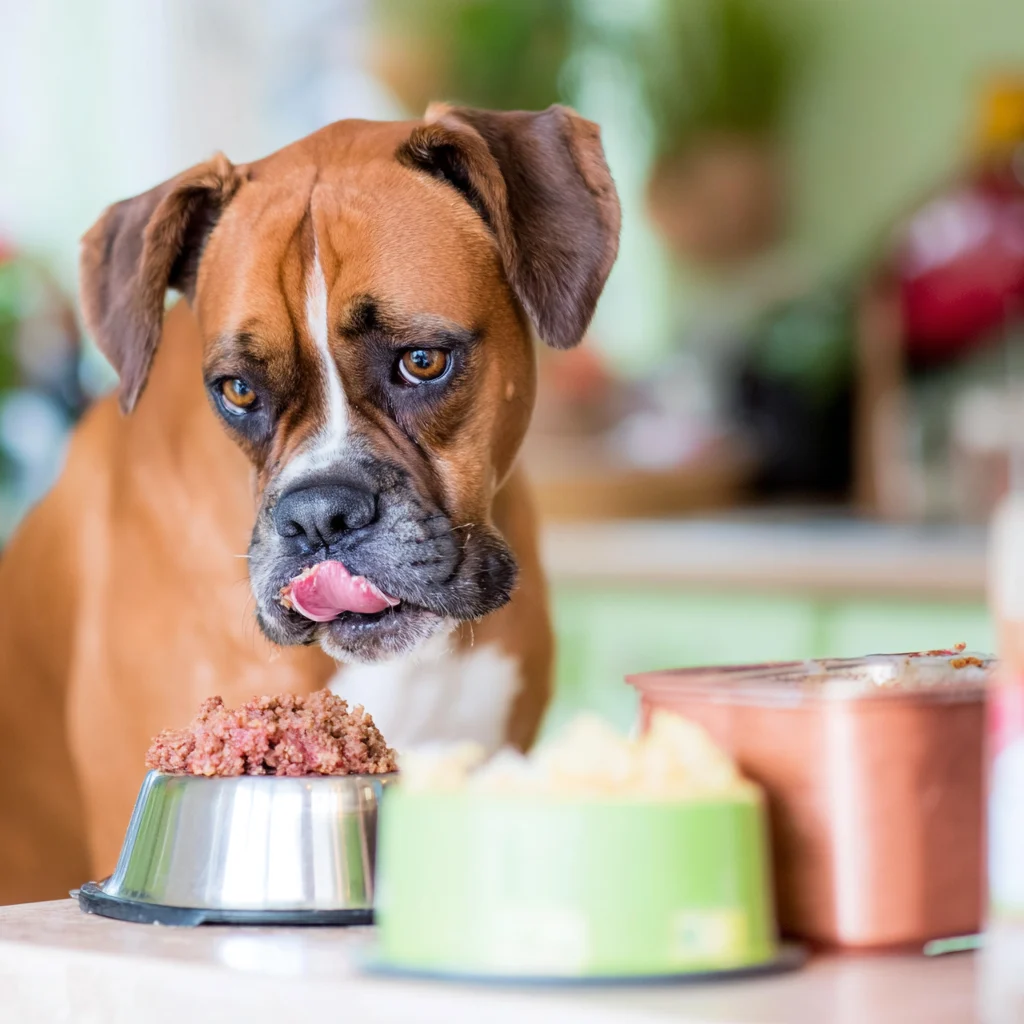
As a Boxer parent, understanding foods Boxers avoid is crucial for keeping your energetic companion safe and healthy. These powerful, playful dogs are notorious for their curious appetites and lightning-fast food snatching abilities. While their enthusiasm for eating can be endearing, certain foods pose serious health risks that every Boxer owner must recognize to prevent emergency vet visits and protect their beloved pup’s wellbeing.
Understanding Boxer-Specific Dietary Sensitivities
Boxers are particularly susceptible to certain food-related health issues due to their genetic predisposition and unique physiology. Their deep chests make them prone to bloat, while their sensitive digestive systems can react severely to toxic foods. Unlike some breeds that might experience mild discomfort from problematic foods, Boxers often face more dramatic reactions that require immediate veterinary attention.
Their naturally curious nature and food-driven personalities also make them more likely to consume dangerous items they encounter. This combination of physical vulnerability and behavioral tendencies makes knowing foods Boxers avoid absolutely essential for responsible ownership.
Dangerous Foods Every Boxer Owner Must Avoid
Chocolate – The Silent Killer
Chocolate contains theobromine and caffeine, both toxic to dogs. Dark chocolate and baking chocolate pose the highest risk, with even small amounts potentially causing seizures, heart problems, and death in Boxers. The larger size of most Boxers provides some protection compared to toy breeds, but any chocolate ingestion requires immediate veterinary consultation.
Grapes and Raisins – Kidney Destroyers
These seemingly innocent fruits can cause rapid kidney failure in Boxers, with symptoms appearing within hours of consumption. Even small amounts can be lethal, and there’s no known safe quantity. Fresh grapes, raisins, and foods containing them (like trail mix or certain baked goods) must be kept completely away from your Boxer.
Artificial Sweeteners – The Hidden Danger
Xylitol, found in sugar-free gum, candies, and baked goods, causes rapid insulin release in dogs, leading to severe hypoglycemia. Boxers can experience symptoms within 10-60 minutes of ingestion, including vomiting, coordination loss, and collapse. Liver damage often follows, making this one of the most dangerous foods Boxers avoid.
High-Fat Foods – Bloat and Pancreatitis Triggers
Rich, fatty foods like bacon, fried items, and fatty meats can trigger pancreatitis in Boxers. Given their predisposition to bloat, high-fat foods also increase the risk of this life-threatening condition. Symptoms include vomiting, diarrhea, abdominal pain, and lethargy.
Alcohol and Caffeinated Beverages
Even small amounts of alcohol can cause dangerous drops in blood sugar, blood pressure, and body temperature in Boxers. Coffee, tea, and energy drinks contain caffeine that affects their nervous and cardiovascular systems similarly to chocolate poisoning.
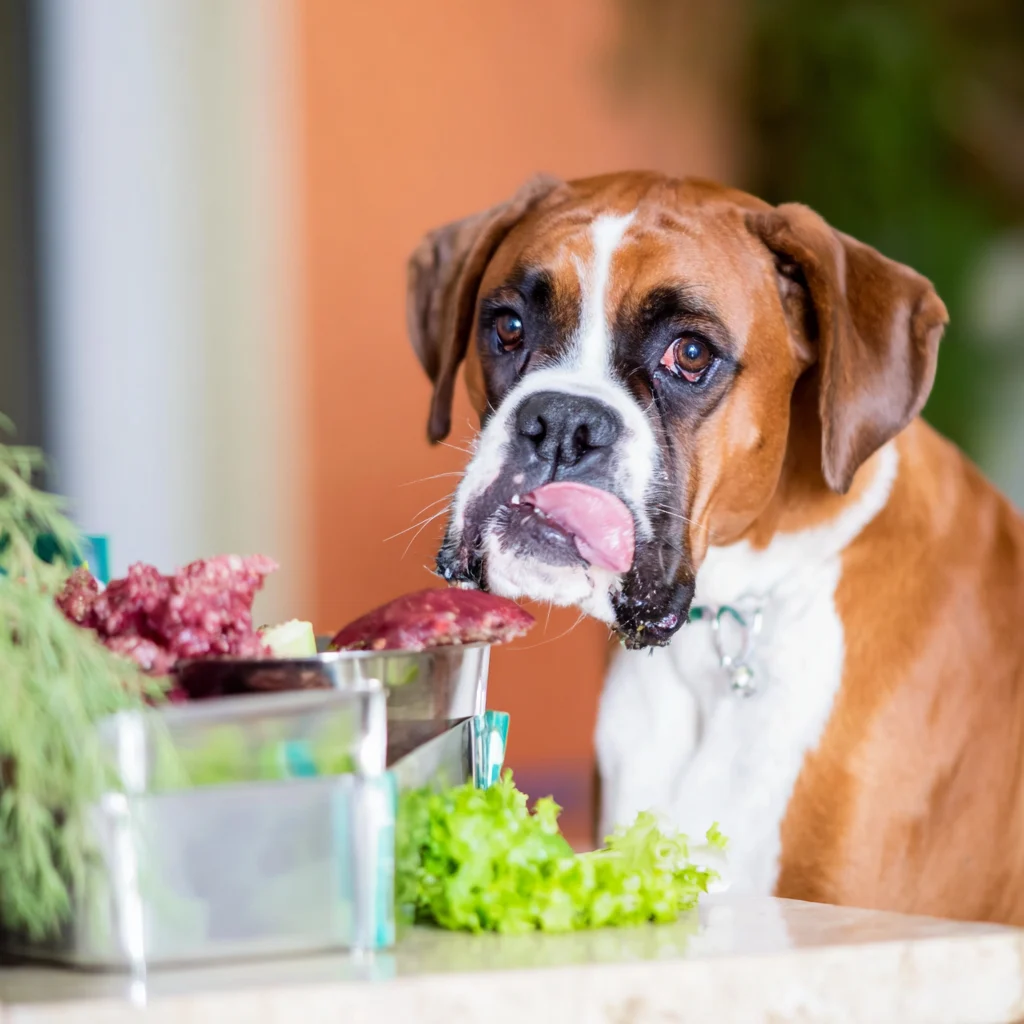
Expert Tips for Boxer Food Safety
Always maintain a “no human food” policy during meals to prevent accidental ingestion of dangerous items. Train family members and guests about foods Boxers avoid, as well-meaning visitors often offer harmful treats.
Keep emergency contact information for your veterinarian and nearest emergency animal hospital readily available. Time is crucial when dealing with food poisoning in dogs.
Invest in secure garbage cans and practice careful food storage. Boxers are notorious counter surfers and garbage raiders, making prevention your first line of defense.
Consider crate training during parties or gatherings where dangerous foods might be more accessible. This protects your Boxer while allowing you to enjoy events without constant worry.
Common Myths About Boxer Nutrition
Many owners believe that because Boxers are large, strong dogs, they can handle foods that harm smaller breeds. This dangerous misconception has led to numerous emergency situations. Size doesn’t protect against toxic reactions – it only sometimes affects the quantity needed to cause problems.
Another myth suggests that dogs instinctively know what foods to avoid. Boxers, particularly young ones, will eat almost anything that smells interesting, regardless of safety. Never rely on your dog’s judgment when it comes to food choices.
Some owners think cooking dangerous foods makes them safe. Heat doesn’t eliminate toxins like those found in grapes or chocolate – cooked versions remain just as dangerous as raw ones.
Summary & Takeaways
• Chocolate, grapes, raisins, and xylitol top the list of foods Boxers avoid
• High-fat foods increase bloat and pancreatitis risks in this susceptible breed
• Prevention through secure storage and training is more effective than treatment
• Size doesn’t protect Boxers from toxic food reactions
• Emergency preparedness can save your Boxer’s life during accidental ingestion
• Never assume cooking makes dangerous foods safe for consumption
Conclusion
Protecting your Boxer from dangerous foods requires vigilance, education, and proactive safety measures. By understanding foods Boxers avoid and implementing proper prevention strategies, you can keep your four-legged family member safe while still enjoying the special bond that comes with sharing your life with these amazing dogs. Remember, when in doubt about any food’s safety, always consult your veterinarian – your Boxer’s health is worth the extra caution.
FAQs
What should I do if my Boxer accidentally eats chocolate?
Contact your veterinarian immediately, even for small amounts. Provide details about the type and quantity of chocolate consumed, as treatment urgency depends on these factors.
Can Boxers eat any human foods safely?
Yes, plain cooked chicken, carrots, green beans, and rice are generally safe in moderation. Always introduce new foods gradually and avoid seasoning or additives.
How quickly do symptoms appear after eating toxic foods?
Symptoms can appear within 30 minutes to several hours, depending on the substance and amount consumed. Some effects, like kidney damage from grapes, may not show symptoms for days.
Is it safe to induce vomiting if my Boxer eats something dangerous?
Never induce vomiting unless specifically instructed by a veterinarian. Some substances can cause more damage coming back up, and professional guidance is essential.
What’s the best way to Boxer-proof my kitchen?
Use child-proof latches on cabinets, secure garbage cans, avoid leaving food on counters, and train your Boxer to stay out of the kitchen during food preparation.
For more safe and healthy recipe options for your Boxer, explore our comprehensive collection of dog-approved meals and treats.
Additional recipe inspiration and safety tips can help you create a safer environment for your beloved Boxer companion.
Leave a Reply