
Introduction
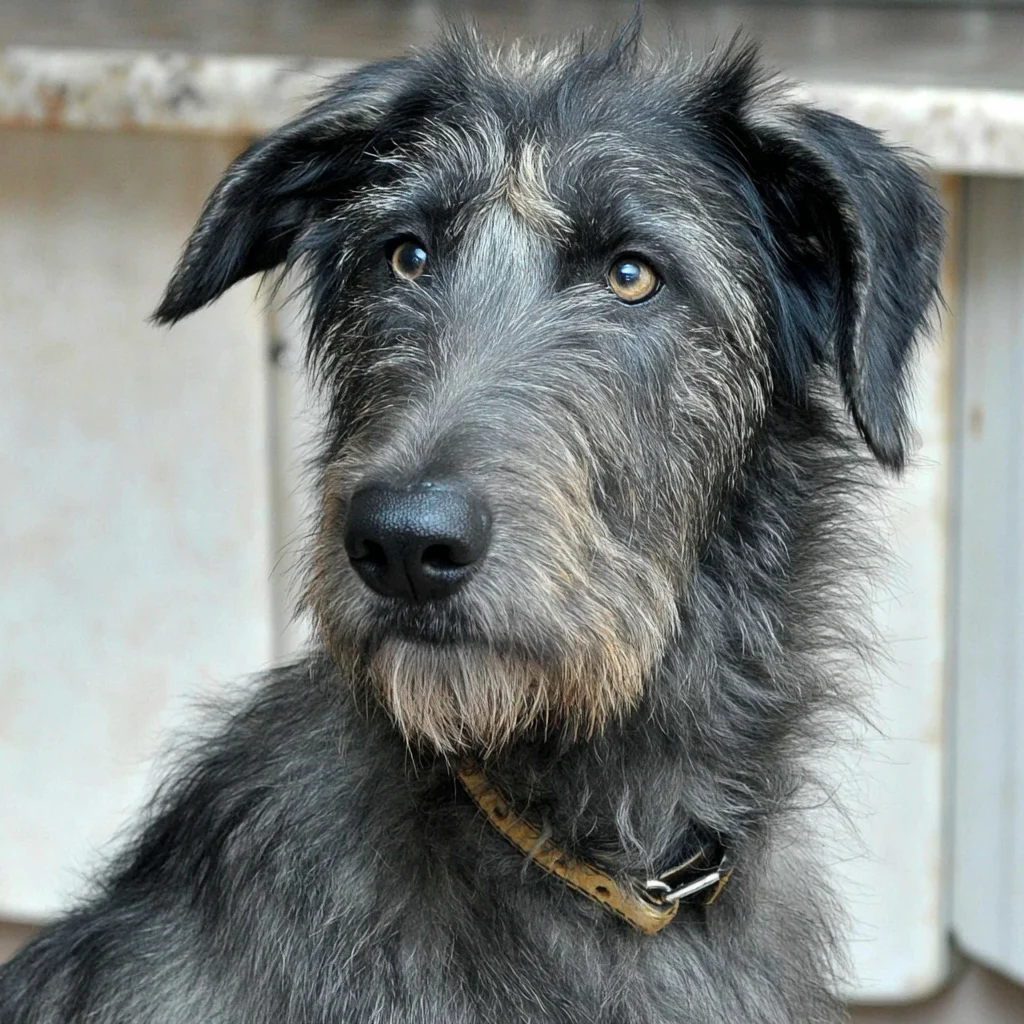
Irish Wolfhound training presents unique challenges that most dog owners never face. These gentle giants, standing up to 32 inches tall and weighing 120+ pounds, require specialized training approaches that account for their size, temperament, and developmental needs. Successful Irish Wolfhound training isn’t just about basic commands – it’s about creating a well-mannered companion who understands their immense power and uses it responsibly.
Understanding the Irish Wolfhound Temperament
Irish Wolfhounds possess a calm, dignified nature that differs dramatically from high-energy breeds. These ancient sighthounds were bred for hunting wolves and elk, giving them an independent streak combined with gentle sensitivity. Their temperament influences every aspect of training – they respond poorly to harsh corrections but thrive with patient, positive reinforcement methods.
Their size reaches adult proportions quickly, but their mental maturity develops slowly, often taking 18-24 months. This creates a challenging combination: a physically powerful dog with puppy-like impulses and attention spans.
The 7 Essential Irish Wolfhound Training Tips
1. Start Socialization Early and Extensively
Early socialization forms the foundation of successful Irish Wolfhound training. Between 8-16 weeks, expose your puppy to diverse experiences: different surfaces, sounds, people, and controlled interactions with other dogs. Their natural wariness of strangers requires gentle, positive exposure to prevent fearfulness or overprotectiveness.
Focus on teaching appropriate greetings since an excited 150-pound adult jumping on visitors creates dangerous situations. Practice calm approaches and reward settled behavior around new people.
2. Master Leash Training From Day One
Leash training becomes critical with giant breeds. An untrained adult Irish Wolfhound can easily drag even strong adults. Begin with a properly fitted harness that distributes pressure across the chest rather than concentrating force on the neck.
Use positive reinforcement to reward loose-leash walking. Stop immediately when they pull and only move forward when the leash relaxes. Consistency from all family members prevents mixed messages that confuse your Wolfhound.
3. Establish Clear Boundaries and Space Management
Irish Wolfhounds need clear rules about personal space and furniture access. Decide early whether your dog will be allowed on couches or beds – changing rules later becomes difficult with such large dogs.
Teach the “place” command using a designated bed or mat. This gives you a reliable way to manage your dog’s location during meals, when guests visit, or whenever you need them settled in a specific spot.
4. Use Gentle, Positive Training Methods
Harsh training methods backfire spectacularly with Irish Wolfhounds. These sensitive dogs shut down under pressure or become anxious with forceful handling. Instead, use high-value treats, praise, and patient repetition.
Keep training sessions short (5-10 minutes) but frequent throughout the day. Their attention spans remain limited well into adulthood, making brief, positive sessions more effective than lengthy drilling.
5. Prioritize Recall Training for Safety
Irish Wolfhounds retain strong prey drive despite their calm demeanor. A rabbit or squirrel can trigger their chase instinct, turning your gentle giant into a focused hunter. Reliable recall becomes a safety necessity.
Start recall training in enclosed areas with minimal distractions. Use extremely high-value rewards – whatever motivates your individual dog most strongly. Practice regularly in gradually more challenging environments, always setting your dog up for success.
6. Focus on Calm Energy and Impulse Control
Teaching impulse control helps manage your Wolfhound’s size and strength. Practice “wait” at doorways, requiring permission before going through. Teach “gentle” for taking treats or accepting petting from children.
Work on settling exercises where your dog learns to relax on command. This proves invaluable in veterinary offices, grooming situations, or anywhere your dog needs to remain calm despite distractions.
7. Adapt Training to Their Physical Development
Irish Wolfhound growth plates don’t close until 18-24 months, making high-impact activities dangerous during puppyhood. Avoid extensive running, jumping, or agility work until skeletal maturity.
Focus on mental stimulation through puzzle toys, basic obedience, and gentle exploration. Swimming provides excellent low-impact exercise when available.
Expert Training Insights
Professional experience reveals that Irish Wolfhounds respond best to relationship-based training that builds trust and communication. They’re intelligent enough to understand complex commands but independent enough to choose whether compliance serves their interests.
Consistency matters more than intensity with this breed. Daily practice of basic commands maintains their skills better than sporadic intensive sessions. Their food motivation varies among individuals – some respond strongly to treats while others prefer praise or play rewards.
Common Training Myths About Giant Breeds
Many owners believe large dogs require dominant, forceful training methods. This outdated thinking proves particularly harmful with Irish Wolfhounds, who become anxious or shut down under pressure.
Another myth suggests giant breeds are naturally more aggressive or harder to control. Irish Wolfhounds actually tend toward gentleness but need proper training to manage their size responsibly.
Some owners think giant breeds don’t need as much mental stimulation as smaller dogs. Irish Wolfhounds require significant mental engagement to prevent boredom and destructive behaviors.
Training Success Summary
• Begin socialization immediately with positive exposure to varied experiences
• Establish leash manners early using patience and consistency
• Create clear household boundaries and space management rules
• Use gentle, positive methods suited to their sensitive temperament
• Prioritize recall training for safety during outdoor activities
• Build impulse control through calm energy exercises
• Adapt training intensity to their slow physical and mental development
Conclusion
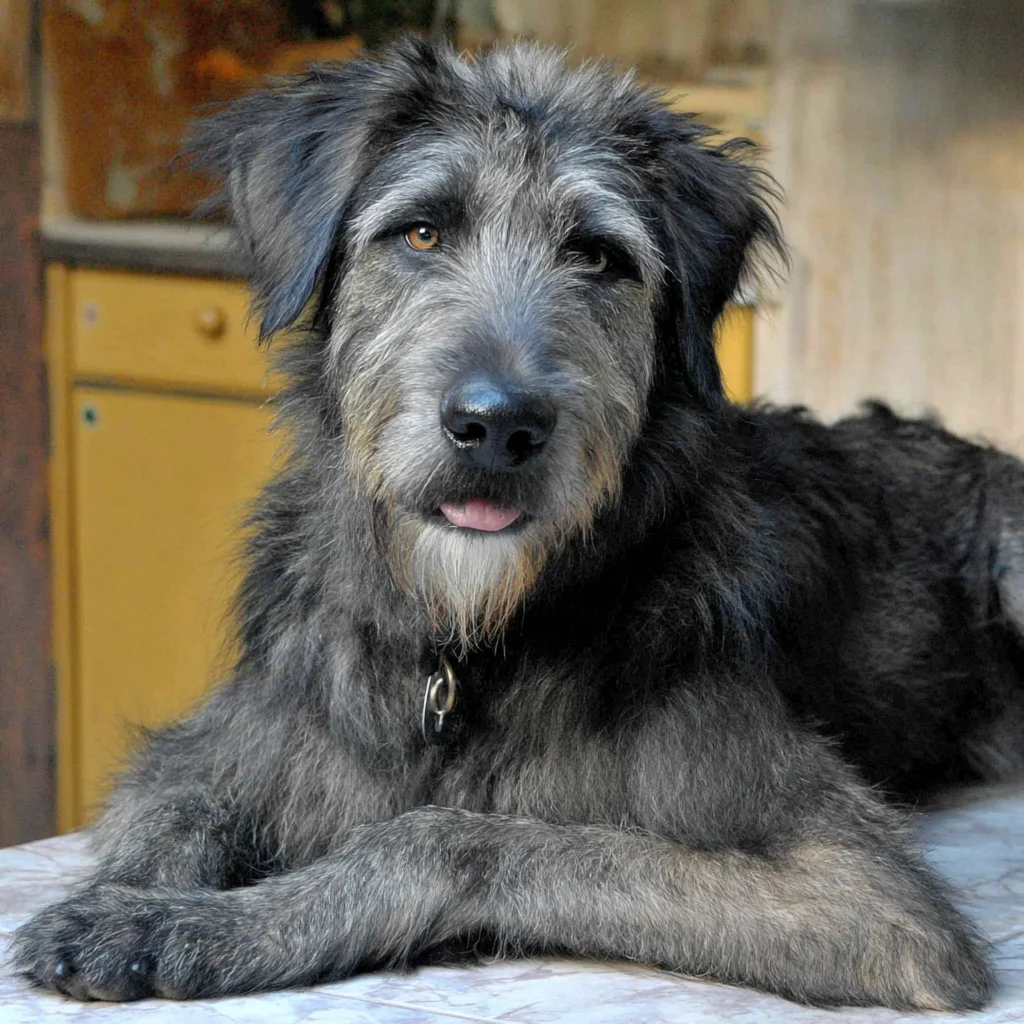
Irish Wolfhound training success depends on understanding their unique combination of size, sensitivity, and independent nature. These magnificent dogs reward patient, positive training with unwavering loyalty and gentle companionship. Remember that their physical size demands responsible training – start early, stay consistent, and always prioritize building a trusting relationship over quick compliance.
Frequently Asked Questions
When should I start training my Irish Wolfhound puppy?
Begin basic training and socialization immediately after bringing your puppy home around 8-10 weeks. Focus on gentle handling, house training, and positive exposure to new experiences during their critical socialization period.
How long does it take to train an Irish Wolfhound?
Basic obedience typically takes 4-6 months with consistent practice, but Irish Wolfhounds mature slowly and may need 18-24 months to develop reliable impulse control and judgment.
Can Irish Wolfhounds be trained for protection work?
While physically capable, Irish Wolfhounds aren’t naturally suited for protection training due to their gentle temperament. They make excellent watchdogs through their imposing presence rather than aggressive behavior.
What’s the biggest training challenge with Irish Wolfhounds?
Managing their size while they’re still mentally immature creates the biggest challenge. They have the physical power of an adult dog but the impulse control of a puppy for their first 18-24 months.
Do Irish Wolfhounds need professional training?
While not absolutely necessary, professional guidance helps first-time giant breed owners navigate size-specific challenges and establish proper techniques before bad habits develop.
For more training resources and tips, check out our comprehensive recipe collection for healthy training treats. You can also find additional training inspiration on our Pinterest boards featuring giant breed success stories.
Leave a Reply