
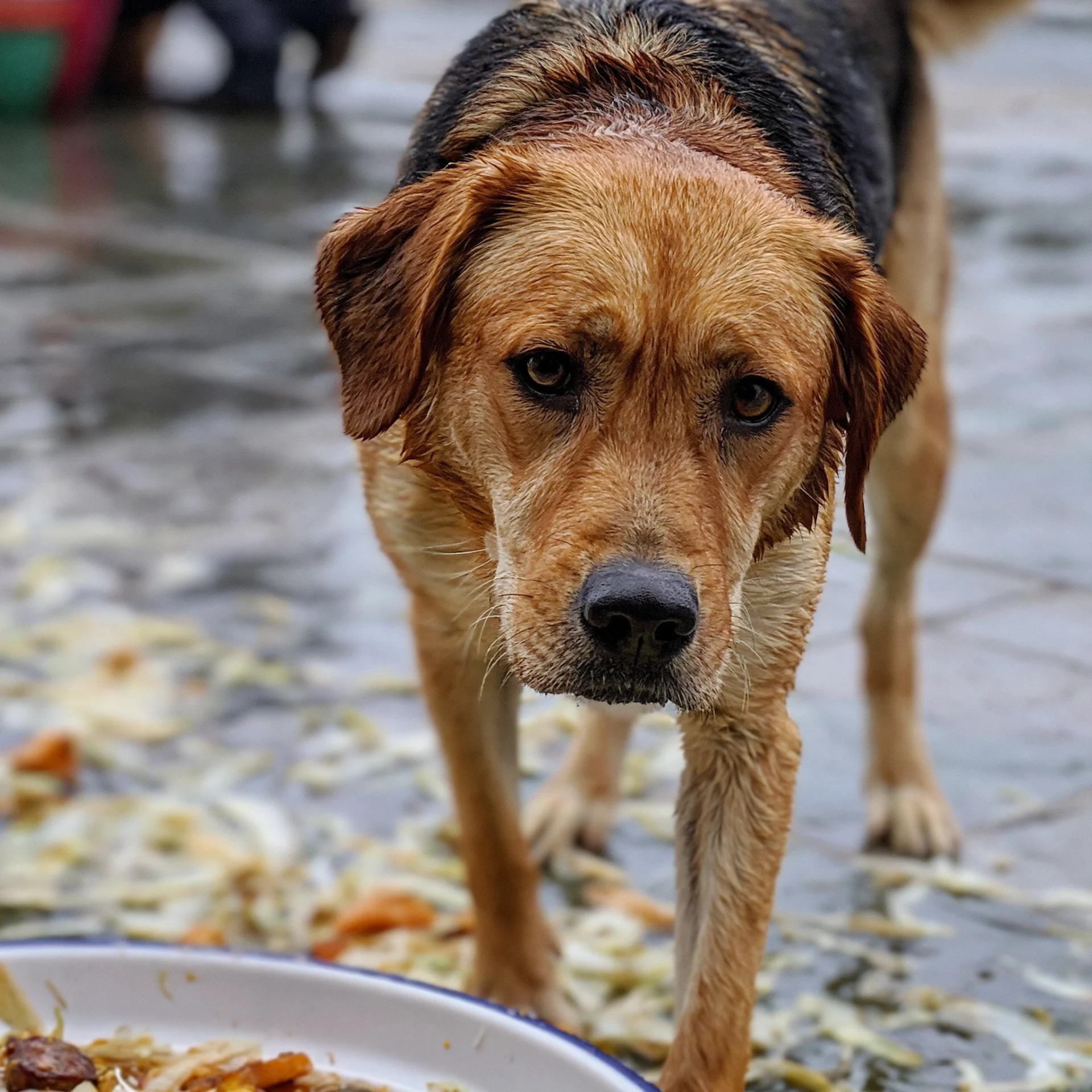
When devastating hurricanes strike, pet owners face unique challenges that can mean life or death for their beloved companions. Knowing how to help pets after hurricane conditions becomes crucial for ensuring their safety and emotional wellbeing during these traumatic events.
Understanding the Impact on Our Four-Legged Family
Hurricanes create multiple threats that specifically endanger pets in ways many owners don’t anticipate. The combination of flooding, debris, power outages, and displacement creates a perfect storm of hazards. Dogs and cats experience heightened anxiety from barometric pressure changes, loud winds, and unfamiliar evacuation environments. Their sensitive hearing makes them particularly vulnerable to the psychological trauma of sustained hurricane sounds. Additionally, pets can become disoriented in flood conditions, losing familiar scent markers that help them navigate. Understanding these unique vulnerabilities helps pet parents make informed decisions about protecting their animals before, during, and after hurricane events.
Essential Steps to Protect Your Pet During Hurricane Recovery
Taking immediate action can save your pet’s life and prevent long-term health complications after hurricane conditions subside.
1. Establish Safe Shelter Priority
Secure dry, elevated shelter immediately. Even if your home appears intact, check for structural damage, broken glass, and toxic debris before allowing pets inside. Create a designated safe room with familiar bedding and toys to reduce anxiety.
2. Locate Clean Water Sources
Floodwater contains dangerous bacteria, chemicals, and debris that can poison pets. Store emergency water supplies and use only bottled or properly treated water for drinking and cleaning wounds. Never allow pets to drink from puddles or flooded areas.
3. Inspect for Injuries Thoroughly
Check paws for cuts from glass or metal debris. Examine ears and eyes for contamination. Look for signs of shock including rapid breathing, pale gums, or excessive lethargy. Document injuries with photos for veterinary consultation.
4. Prevent Disease Transmission
Hurricane aftermath increases exposure to parasites, bacteria, and viruses. Keep pets away from dead animals, standing water, and damaged food supplies. Monitor for symptoms like vomiting, diarrhea, or unusual behavior that could indicate illness.
5. Maintain Identification Systems
Ensure ID tags are secure and microchip information remains current. Take recent photos of your pet in case they become separated. Keep identification documents in waterproof containers.
6. Manage Stress and Anxiety
Maintain regular feeding schedules when possible. Provide comfort items and stay calm yourself, as pets mirror their owner’s emotional state. Create quiet spaces away from cleanup noise and activity.
7. Secure Emergency Nutrition
Stock non-perishable pet food and avoid feeding human food that could cause digestive upset during an already stressful time. Check our complete recipe or guide collection for safe homemade options if commercial food becomes unavailable.
8. Establish Veterinary Contact
Locate functioning veterinary clinics and emergency animal hospitals. Many regular vets may be closed or damaged, so identify alternative care options before you need them.
9. Document Everything
Take photos of injuries, damaged pet supplies, and shelter conditions. This documentation helps with insurance claims and provides valuable information for veterinary treatment.
10. Plan for Long-term Displacement
Research pet-friendly temporary housing options. Many disaster shelters don’t accept pets, so identify hotels, family members, or boarding facilities that can accommodate your animals during extended displacement periods.
Common Mistakes to Avoid
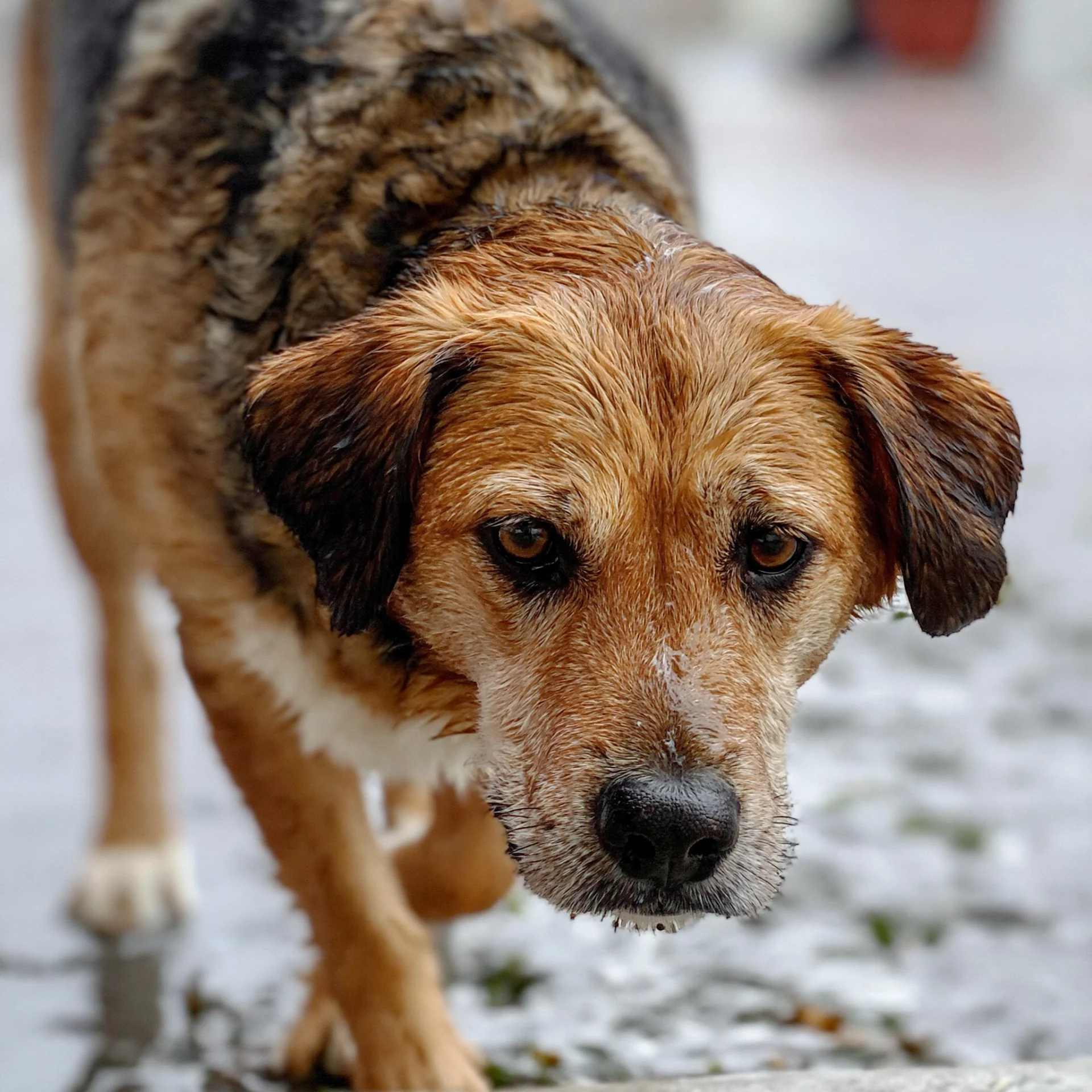
Many well-meaning pet owners make critical errors during hurricane recovery. Never assume your pet is uninjured just because they’re walking normally – adrenaline can mask pain and injuries. Don’t rush to bathe pets in potentially contaminated water, which can worsen skin conditions. Avoid leaving pets unattended in damaged areas where they could encounter hazards like exposed electrical wires or unstable structures. Finally, don’t delay veterinary care hoping injuries will heal naturally, as infections develop rapidly in post-hurricane conditions.
Safety and Long-term Recovery
Monitor your pet’s behavior for weeks following hurricane exposure, as trauma symptoms may appear gradually. Maintain consistent routines to rebuild their sense of security. Keep emergency supplies readily accessible for future storms, and update your disaster preparedness plan based on lessons learned from this experience. Regular veterinary checkups become especially important after hurricane exposure to catch delayed health effects.
Conclusion
Helping pets recover from hurricane trauma requires immediate action and ongoing vigilance. By following these life-saving steps, you protect your furry family member’s physical health and emotional wellbeing during one of nature’s most challenging disasters.
Frequently Asked Questions
How long should I wait before letting my pet outside after a hurricane?
Wait until local authorities confirm the area is safe and you’ve personally inspected your yard for debris, downed power lines, and contaminated water.
What human foods are safe for pets if their regular food is unavailable?
Plain cooked rice, boiled chicken without seasoning, and small amounts of plain canned pumpkin are generally safe temporary options for most dogs and cats.
How do I know if flood water has made my pet sick?
Watch for vomiting, diarrhea, lethargy, loss of appetite, or unusual behavior within 48 hours of exposure. Contact a veterinarian immediately if symptoms appear.
Can I use baby wipes to clean my pet after hurricane exposure?
Only use pet-specific wipes or plain water. Human baby wipes may contain chemicals that are toxic to pets when they groom themselves.
Should I give my anxious pet medication after a hurricane?
Never give human anxiety medications to pets. Consult with a veterinarian about pet-safe calming supplements or prescription anxiety medications.
How can I find my pet if they’re missing after a hurricane?
Contact local animal shelters, post on social media with recent photos, and check with emergency response teams. For more recovery tips, explore additional resources and connect with other pet parents who’ve faced similar situations.
Leave a Reply