
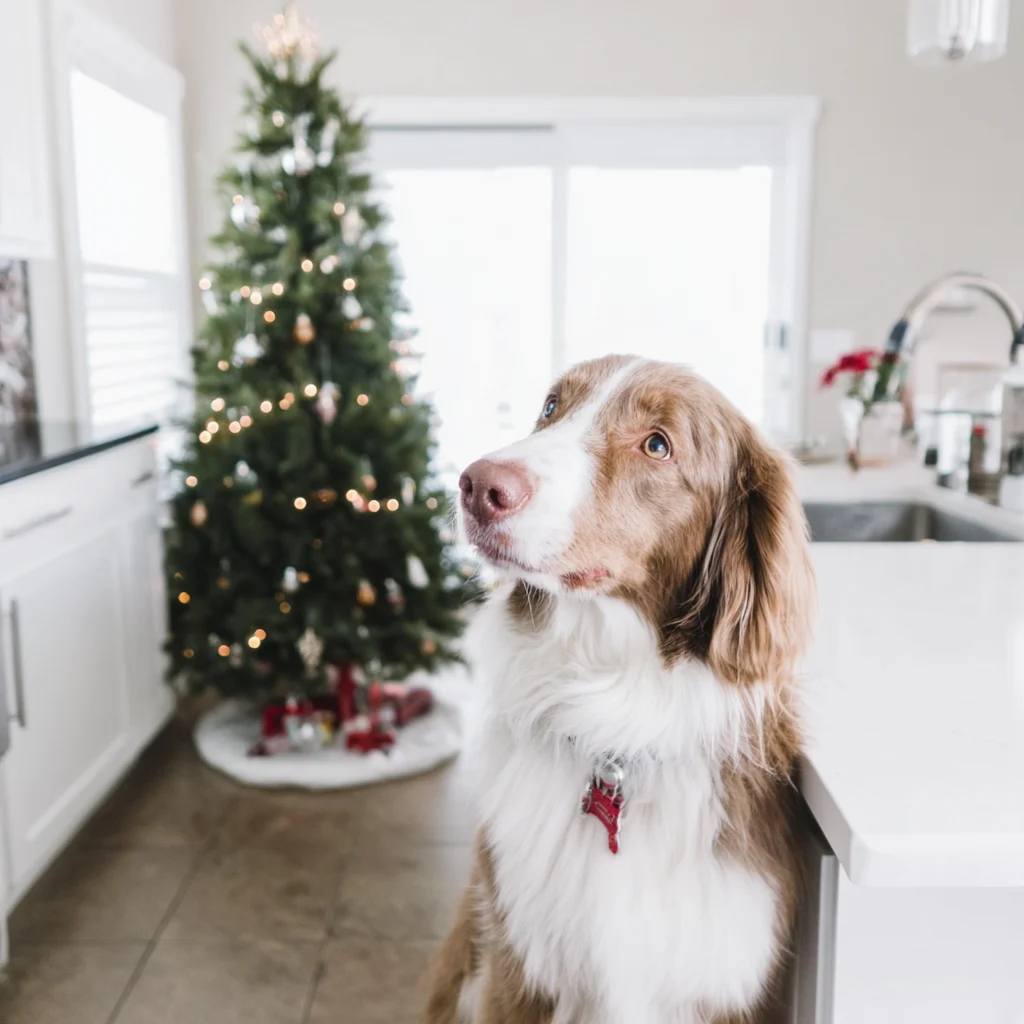
The holiday season brings magical moments, but also potential chaos when curious paws meet twinkling ornaments. Learning how to pet-proof your Christmas tree transforms potential disaster into peaceful celebration, ensuring both your decorations and beloved pets stay safe throughout the festivities.
Understanding the Basics
Christmas trees naturally attract pets through multiple sensory triggers. The fresh pine scent stimulates their curiosity, while dangling ornaments mimic prey-like movements that trigger hunting instincts. Cats view trees as climbing structures, while dogs often see ornaments as interactive toys. Water additives used to preserve cut trees can be toxic, and fallen needles pose choking hazards. Understanding these natural attractions helps create effective prevention strategies rather than simply reacting to destructive behavior after it occurs.
Step-by-Step Guide to Pet-Proofing Success
Transform your holiday display into a pet-safe wonderland with these proven strategies that protect both decorations and four-legged family members.
1. Strategic Tree Placement
Position your tree in a corner or against walls to limit access points. Avoid high-traffic areas where pets naturally congregate. Consider elevating smaller trees on sturdy tables, keeping them completely out of reach from ground-dwelling pets while maintaining visual impact.
2. Secure the Foundation
Anchor your tree to walls using fishing line or clear wire. This prevents toppling if pets attempt climbing or bumping. Choose heavy, wide-based stands that resist tipping. For artificial trees, ensure the base is weighted appropriately for your tree’s height and your pet’s activity level.
3. Smart Ornament Selection
Replace fragile glass ornaments with shatterproof alternatives made from wood, fabric, or durable plastic. Position any remaining breakable decorations higher on the tree, beyond jumping reach. Avoid ornaments with small, detachable parts that could become choking hazards if knocked loose.
4. Electrical Safety Measures
Cover all electrical cords with protective tubing or cord covers to prevent chewing. Use outlet timers to control lighting when you’re away, reducing unsupervised temptation. Consider battery-operated LED lights as safer alternatives that eliminate electrical risks entirely.
5. Natural Deterrent Barriers
Create physical barriers using decorative tree skirts with weighted edges or lattice fencing disguised with holiday fabric. Spray lower branches with pet-safe citrus deterrents that smell pleasant to humans but discourage pet investigation.
6. Water Source Protection
Cover tree water reservoirs completely to prevent drinking. Never add preservatives, aspirin, or commercial tree additives that could poison pets. Consider switching to artificial trees to eliminate water-related risks altogether.
7. Tinsel and Garland Alternatives
Replace traditional tinsel with wide ribbon or fabric garland that’s less likely to be ingested. If using beaded garlands, ensure they’re securely attached and made from large beads that don’t present choking hazards.
8. Daily Maintenance Routine
Vacuum fallen needles immediately, as they can puncture digestive tracts if eaten. Check ornament security daily, repositioning any that have shifted within pet reach. This recipe or guide approach to daily vigilance prevents small issues from becoming major problems.
9. Positive Redirection Training
Provide alternative entertainment through puzzle toys and interactive feeders during tree time. Teach “leave it” commands specifically for tree interactions. Reward calm behavior around the tree with treats and praise.
10. Emergency Preparedness
Keep your veterinarian’s emergency contact information easily accessible. Learn to recognize signs of intestinal blockage from ingested decorations: vomiting, lethargy, loss of appetite, or difficulty defecating.
11. Technology Integration
Use motion-activated deterrent devices that emit harmless but startling sounds when pets approach. Install pet cameras to monitor tree interactions when you’re away, allowing you to address problems immediately through two-way audio features.
Safety & Maintenance
Regular inspection ensures ongoing safety throughout the holiday season. Check all deterrents weekly, replacing or refreshing citrus sprays as needed. Monitor your pet’s behavior for changes that might indicate they’ve ingested something harmful. Remove and replace any damaged ornaments immediately, and maintain clear pathways around the tree to prevent accidental collisions during play.
Common Mistakes to Avoid
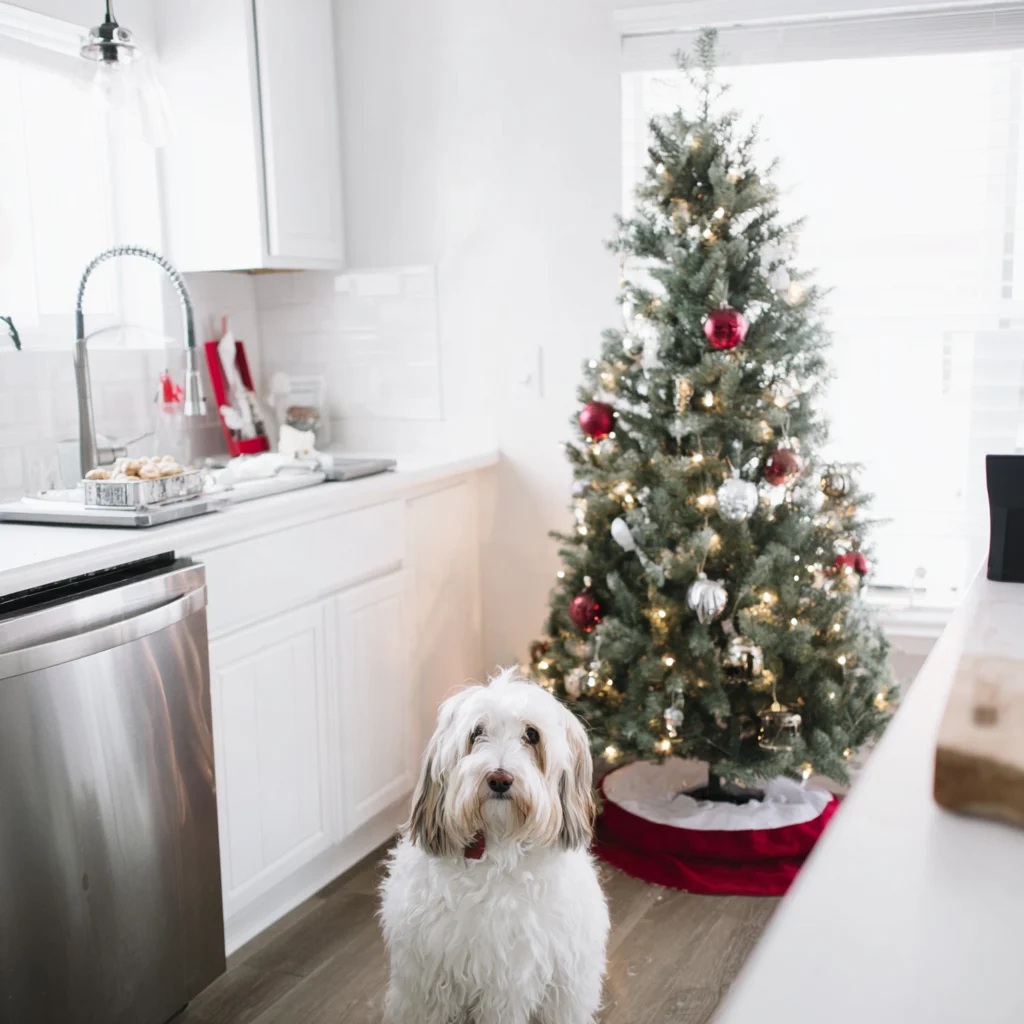
Many pet parents underestimate their pet’s jumping ability, placing tempting ornaments too low. Avoid using food-based decorations like popcorn or cranberry strings that naturally attract pets. Don’t assume artificial trees are automatically safe—they still present electrical hazards and can shed synthetic materials. Never use punishment-based training around the tree, as this creates negative associations with holiday gatherings rather than teaching appropriate boundaries.
Conclusion
Successfully pet-proofing your Christmas tree creates harmonious holidays where decorations and pets coexist peacefully. These simple strategies protect your investment while keeping furry family members safe and happy throughout the festive season.
FAQs
Can I use essential oils to deter pets from my Christmas tree?
Many essential oils are toxic to pets. Stick to pet-safe citrus peels or commercial pet deterrent sprays specifically designed for holiday use.
What should I do if my pet ingests tinsel or ornament pieces?
Contact your veterinarian immediately. Don’t induce vomiting unless specifically instructed, as sharp objects can cause more damage coming back up.
Are flocked Christmas trees safe for pets?
Flocking chemicals can be harmful if ingested. Choose unflocked trees or ensure flocked trees are completely dry and pets cannot access loose flocking material.
How high should I place ornaments to keep them safe from cats?
Most cats can jump 6 feet vertically. Place precious ornaments in the top third of trees taller than 6 feet, or choose shatterproof alternatives for lower placement.
Can I train my pet to completely ignore the Christmas tree?
With consistent training, most pets learn to respect tree boundaries. However, supervision remains important, especially during initial setup and with particularly curious or young animals.
What’s the safest type of Christmas tree lighting for pet owners?
Battery-operated LED lights eliminate electrical hazards and generate minimal heat. If using plug-in lights, choose those with protective cord covers and automatic shut-off timers.
For more creative holiday tips and pet-safe celebration ideas, explore additional resources that help make every season special for your entire family.
Pet-Proof Your Christmas Tree
Ingredients
Method
- Position your tree in a corner or against walls to limit access points. Avoid high-traffic areas where pets naturally congregate.
- Anchor your tree to walls using fishing line or clear wire to prevent toppling. Choose heavy, wide-based stands that resist tipping.
- Replace fragile glass ornaments with shatterproof alternatives. Position any remaining breakable decorations higher on the tree, beyond jumping reach.
- Cover all electrical cords with protective tubing or cord covers to prevent chewing. Use outlet timers or battery-operated LED lights.
- Create physical barriers using decorative tree skirts with weighted edges or lattice fencing disguised with holiday fabric.
- Cover tree water reservoirs completely to prevent drinking. Never add preservatives or commercial tree additives.
- Replace traditional tinsel with wide ribbon or fabric garland that's less likely to be ingested.
- Spray lower branches with pet-safe citrus deterrents that discourage pet investigation.
- Set up motion-activated deterrent devices if needed to emit harmless but startling sounds when pets approach.
- Vacuum fallen needles immediately and check ornament security daily throughout the holiday season.
Leave a Reply