
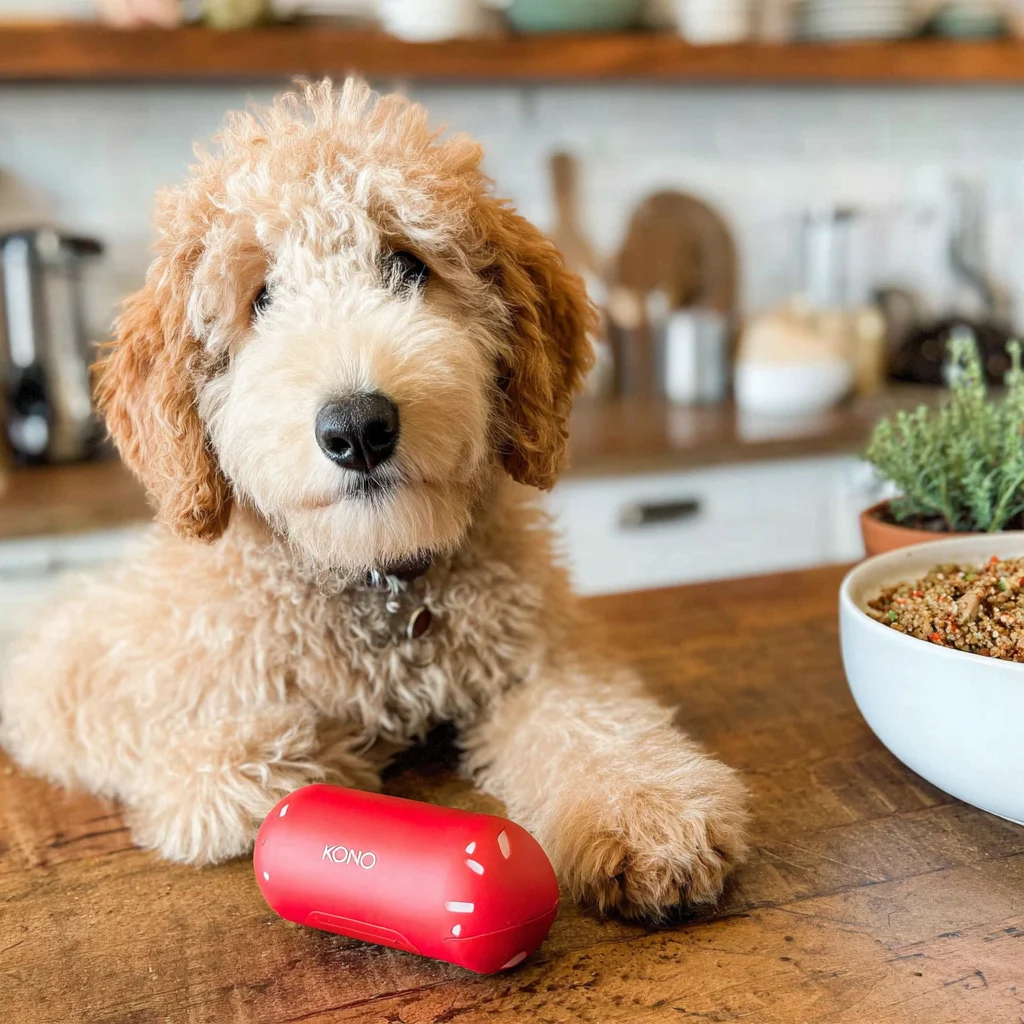
The KONG Wobbler dog toy transforms mealtime into an exciting mental challenge that keeps dogs engaged for extended periods. This innovative treat-dispensing puzzle combines physical activity with cognitive stimulation, making it an essential tool for pet parents dealing with bored, anxious, or food-motivated pups.
Understanding the Basics
The KONG Wobbler works on the principle of controlled reward distribution. Unlike traditional food bowls that allow dogs to gulp down their meals in seconds, this weighted toy dispenses kibble or treats as your dog pushes, paws, and nudges it around. The bottom-heavy design ensures the toy always rights itself, creating an unpredictable wobbling motion that triggers your dog’s natural hunting instincts.
Mental stimulation through puzzle feeding addresses several behavioral issues simultaneously. Dogs who eat too quickly often experience digestive problems, while those lacking mental enrichment may develop destructive behaviors like excessive chewing or barking. The Wobbler’s design forces dogs to work for their food, mimicking the foraging behavior their ancestors relied on for survival.
Step-by-Step Guide to Maximizing Your KONG Wobbler
Getting the most from your KONG Wobbler requires strategic introduction and proper management. Follow these proven steps to ensure your dog becomes a wobbling expert.
Initial Introduction Phase
Start with high-value treats rather than regular kibble to create positive associations. Fill the Wobbler about one-quarter full and demonstrate the wobbling motion yourself. Most dogs need to see the toy in action before understanding the cause-and-effect relationship. Allow your dog to investigate while you gently tip the toy to release a few treats.
Difficulty Progression
Once your dog grasps the basic concept, gradually increase the challenge level. The KONG Wobbler features an adjustable opening that controls treat dispensing speed. Begin with the widest setting, then narrow the opening as your dog’s skills improve. This progression prevents frustration while maintaining engagement.
Optimal Feeding Schedule
Replace one daily meal with Wobbler feeding sessions to maximize benefits. Morning meals work particularly well since dogs often have higher energy levels. A typical session should last 10-15 minutes for most dogs, though highly motivated pups may work for 20-30 minutes. Monitor your dog’s enthusiasm level and adjust accordingly.
Surface Selection
Choose appropriate flooring for Wobbler sessions. Hard surfaces like tile or hardwood create more noise but allow easier rolling. Carpeted areas muffle sound but require more effort from your dog to move the toy. Outdoor use on grass or concrete adds environmental enrichment but requires post-session cleaning.
Food Selection Strategy
Experiment with different food types to maintain interest. Dry kibble works best for beginners, while freeze-dried treats or small training treats provide variety. Avoid sticky or moist foods that can clog the dispensing hole. Size matters too – treats should be small enough to flow freely but large enough to motivate your dog.
Advanced Techniques
Combine the Wobbler with other enrichment activities for maximum mental stimulation. Use it as part of a recipe or guide rotation that includes snuffle mats, puzzle boards, and frozen Kong toys. This variety prevents habituation and keeps your dog mentally sharp.
Safety & Maintenance
Regular cleaning prevents bacteria buildup and maintains the toy’s effectiveness. Disassemble the Wobbler after each use and wash with warm, soapy water. Inspect the dispensing hole for clogs or damage that might frustrate your dog. Always supervise initial sessions to ensure your dog doesn’t attempt to destroy the toy through aggressive chewing or throwing.
Common Mistakes to Avoid
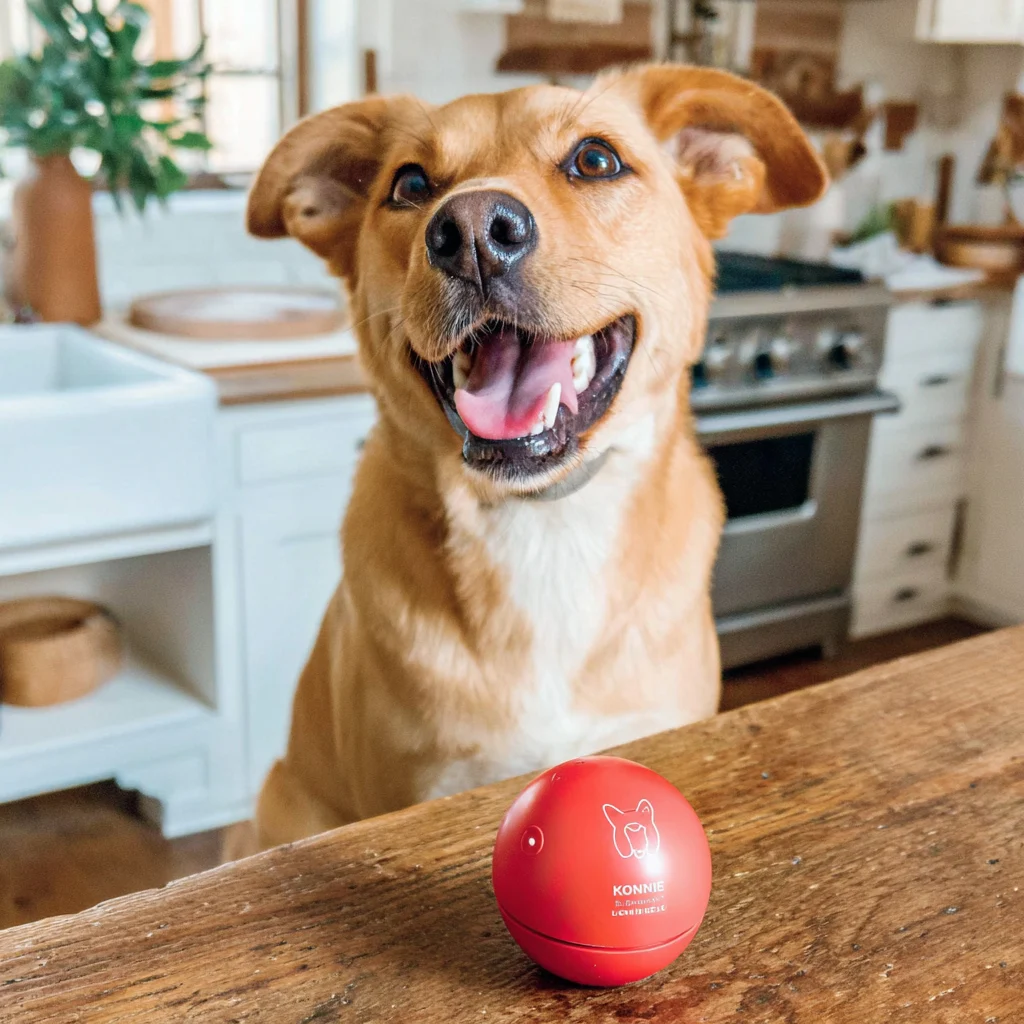
Overfilling the Wobbler creates jamming issues and reduces the challenge level. Fill no more than halfway to ensure proper treat flow. Starting with the narrowest opening setting often leads to dog frustration and abandonment. Many owners also forget to adjust portion sizes when using the Wobbler, potentially overfeeding their dogs. Finally, using treats that are too large for the opening results in clogging and reduced effectiveness.
Conclusion
The KONG Wobbler transforms ordinary feeding time into an enriching mental workout that benefits both dog and owner. Try introducing this puzzle feeder gradually and share how your pup responds to this engaging challenge.
FAQs
How long should my dog play with the KONG Wobbler?
Most dogs benefit from 10-20 minute sessions, depending on their energy level and food motivation. Stop when your dog loses interest or becomes frustrated.
Can I use wet food in the Wobbler?
Stick to dry kibble, freeze-dried treats, or small dry training treats. Wet foods can clog the dispensing mechanism and create hygiene issues.
Is the KONG Wobbler suitable for puppies?
Yes, but supervise young puppies closely. The mental stimulation is excellent for development, but ensure treats are age-appropriate and properly sized.
What if my dog isn’t interested in the Wobbler?
Try higher-value treats initially, demonstrate the toy yourself, or slightly widen the dispensing opening to make success easier.
How often should I clean the KONG Wobbler?
Clean after every use with warm soapy water and allow to dry completely. Regular maintenance prevents bacteria growth and keeps the mechanism working smoothly.
Can multiple dogs share one Wobbler?
It’s better to provide separate toys to prevent resource guarding and ensure each dog gets adequate mental stimulation. Monitor interactions carefully if sharing is necessary.
For more creative enrichment ideas and detailed feeding strategies, explore these helpful tips from experienced dog care professionals.
KONG Wobbler Dog Toy Guide
Ingredients
Method
- Fill the Wobbler about one-quarter full with high-value treats rather than regular kibble
- Demonstrate the wobbling motion yourself to show your dog how it works
- Allow your dog to investigate while you gently tip the toy to release a few treats
- Let your dog see the cause-and-effect relationship between movement and treat dispensing
- Start with the widest opening setting on the adjustable dispenser
- Once your dog grasps the concept, gradually narrow the opening to increase challenge
- Monitor for frustration and adjust difficulty accordingly
- Progress slowly to maintain engagement without overwhelming your dog
- Replace one daily meal with Wobbler feeding sessions
- Use preferably for morning meals when dogs have higher energy levels
- Allow 10-15 minutes for typical sessions, up to 20-30 minutes for highly motivated dogs
- Choose appropriate surface - hard floors for easier rolling, carpet for quieter sessions
- Disassemble the Wobbler after each use
- Wash with warm, soapy water
- Inspect dispensing hole for clogs or damage
- Allow to dry completely before next use
Leave a Reply