
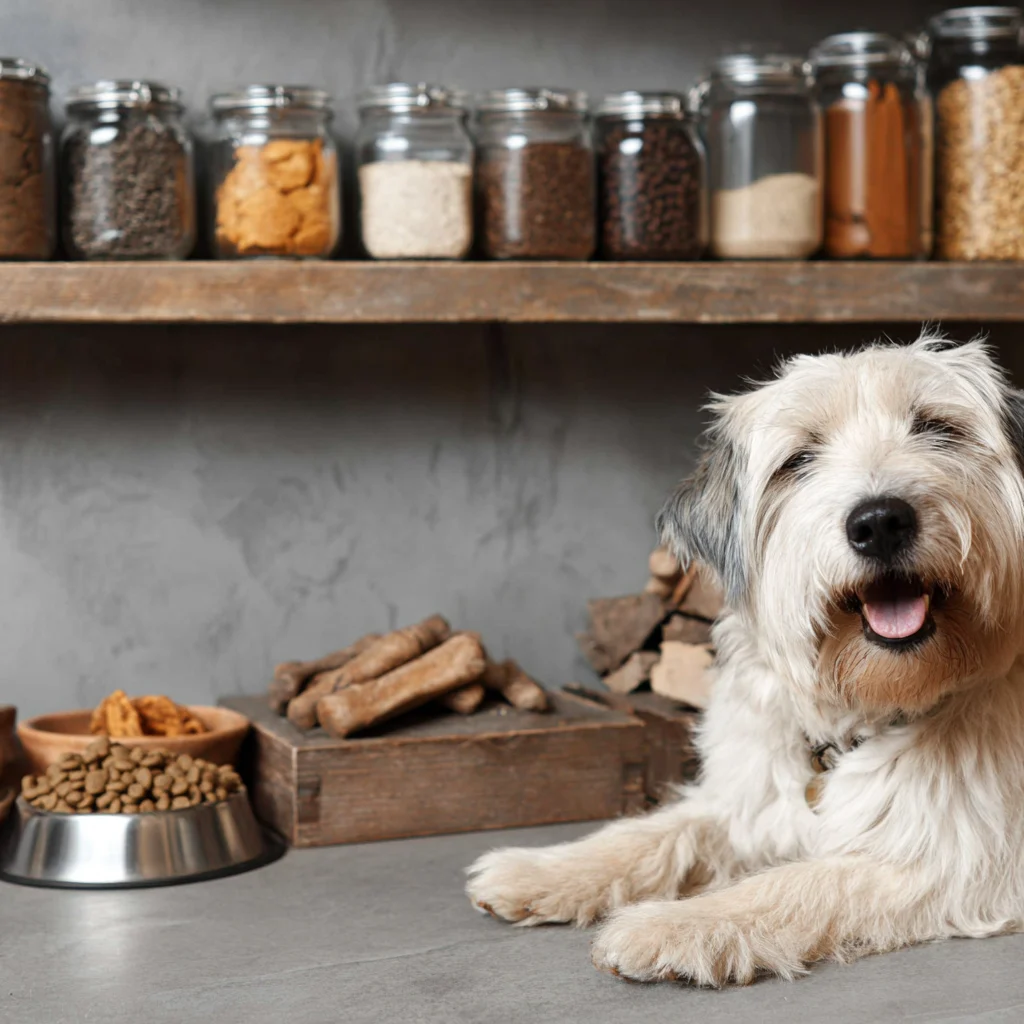
Pet food safety has become a growing concern as dog food recall incidents continue to affect thousands of dogs nationwide. When contaminated kibble enters the market, our beloved companions face serious health risks that every responsible dog owner must understand and actively monitor.
Understanding the Basics
Dog food recalls occur when manufacturers discover potential contamination, nutritional deficiencies, or foreign objects in their products that could harm pets. The most common causes include Salmonella contamination, excessive vitamin D levels, aflatoxin from moldy grains, and metal fragments from processing equipment. The FDA and state agriculture departments work with manufacturers to issue these recalls, but the notification process can take days or weeks to reach consumers.
Salmonella poses risks not only to dogs but also to humans handling the contaminated food. Symptoms in dogs include vomiting, diarrhea, fever, and lethargy. Aflatoxin, produced by mold growth on corn and other grains, can cause liver damage and potentially fatal poisoning. Excessive vitamin D can lead to kidney failure, while foreign objects create choking hazards and internal injuries.
The recall classification system includes three levels. Class I recalls involve products that could cause serious health problems or death. Class II recalls cover products that might cause temporary health issues. Class III recalls address products unlikely to cause adverse health effects but violate FDA regulations.
Step-by-Step Guide to Protecting Your Dog
Taking proactive measures protects your dog from contaminated food and ensures you respond quickly when recalls occur.
1. Register for Recall Alerts
Subscribe to FDA recall notifications and sign up for your dog food manufacturer’s direct alerts. Many companies now offer text message services that notify customers immediately when issues arise. Download the FDA’s recall app for real-time notifications on your smartphone.
2. Keep Detailed Food Records
Document every bag or can of food you purchase, including brand name, lot numbers, expiration dates, and purchase locations. Take photos of packaging labels before discarding them. This information becomes crucial if a dog food recall affects products you’ve purchased.
3. Monitor Your Dog’s Health Daily
Watch for sudden changes in appetite, energy levels, bathroom habits, or behavior. Keep a simple log noting any unusual symptoms, as patterns may emerge that indicate food-related issues before official recalls are announced.
4. Store Food Properly
Keep dog food in original packaging inside airtight containers to preserve lot number information while protecting against contamination. Store food in cool, dry areas away from direct sunlight. Check expiration dates regularly and rotate stock using older products first.
5. Source from Reputable Retailers
Purchase dog food from established pet stores, veterinary clinics, or reputable online retailers that maintain proper storage conditions and quick inventory turnover. Avoid buying from discount stores or outlets where products may sit longer or be stored improperly.
6. Diversify Your Dog’s Diet
Consider rotating between two or three high-quality brands to reduce risk exposure. This approach also prevents nutritional gaps and reduces the impact if one brand faces recall issues. Gradually transition between foods over 7-10 days to avoid digestive upset.
7. Know Emergency Response Steps
If your dog has consumed recalled food, contact your veterinarian immediately, even if symptoms haven’t appeared. Save remaining food for testing if requested. Document any symptoms with photos or videos when possible to help veterinary diagnosis.
Safety & Maintenance
Never ignore recall notices, even if your dog seems healthy. Some contamination effects develop slowly over time or may not show immediate symptoms. Always dispose of recalled products according to manufacturer instructions rather than simply throwing them away where other animals might access them. Wash your hands thoroughly after handling any pet food, and clean food bowls and storage containers regularly with hot, soapy water.
Common Mistakes to Avoid
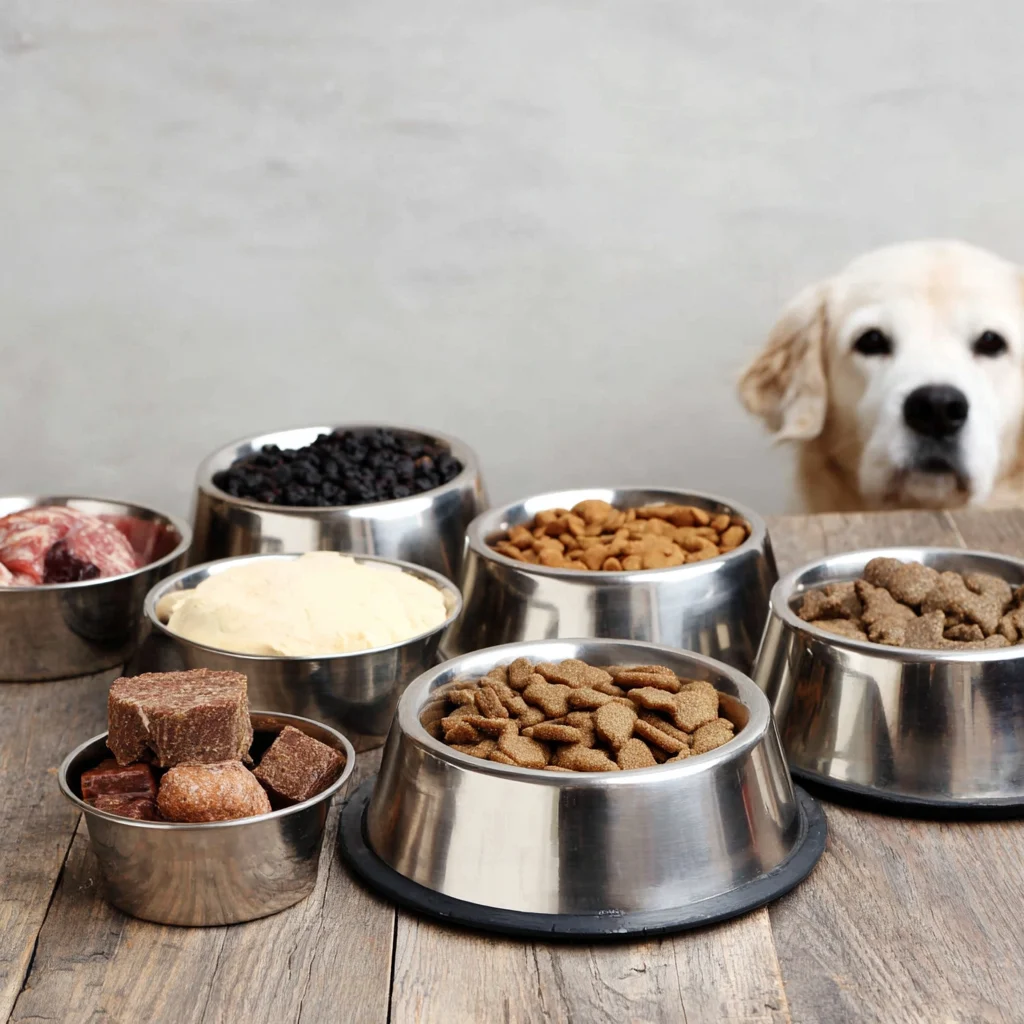
Many pet owners continue feeding recalled products because their dog appears healthy, but contamination effects aren’t always immediately visible. Don’t assume generic store brands are safer than name brands, as many are manufactured in the same facilities. Avoid purchasing damaged bags or cans, as compromised packaging increases contamination risk. Never ignore expiration dates, thinking dry food lasts indefinitely. Finally, don’t rely solely on your dog’s willingness to eat as an indicator of food safety, since many dogs will consume contaminated food without hesitation.
Conclusion
Staying vigilant about dog food recall alerts and maintaining proper food safety practices protects your furry family member from preventable health risks. Share your recall monitoring recipe or guide with fellow dog parents to keep our community informed and our pets safe.
FAQs
How quickly should I stop feeding recalled dog food?
Stop immediately upon learning about the recall. Don’t wait to finish the bag or can, as continued exposure increases health risks.
Can I return unopened recalled dog food?
Most retailers accept returns of recalled products with or without receipts. Contact the manufacturer directly for specific return procedures and potential reimbursement.
What if my dog already ate recalled food but seems fine?
Contact your veterinarian for guidance. Some contamination effects appear days or weeks later, so professional monitoring may be necessary.
Are expensive dog foods less likely to be recalled?
Price doesn’t guarantee safety. Premium brands face recalls just like budget options, so monitoring is essential regardless of cost.
How long do dog food recall investigations take?
Investigations typically take several weeks to months. Follow official FDA updates rather than relying on social media speculation.
Should I switch brands after a recall?
Not necessarily. Evaluate the company’s response, transparency, and corrective measures. Many reputable companies experience isolated recall incidents. For additional tips on pet nutrition and safety, explore comprehensive feeding guides that help you make informed decisions about your dog’s dietary needs.
Dog Food Recall Safety Guide
Ingredients
Method
- Register for recall alerts by subscribing to FDA notifications and your dog food manufacturer's direct alerts. Download the FDA recall app for real-time notifications.
- Keep detailed food records documenting every bag or can purchased, including brand name, lot numbers, expiration dates, and purchase locations. Take photos of packaging labels.
- Monitor your dog's health daily, watching for changes in appetite, energy levels, bathroom habits, or behavior. Keep a log of any unusual symptoms.
- Store food properly in original packaging inside airtight containers in cool, dry areas away from direct sunlight. Check expiration dates regularly.
- Source from reputable retailers like established pet stores, veterinary clinics, or reputable online retailers with proper storage conditions.
- Diversify your dog's diet by rotating between 2-3 high-quality brands, transitioning gradually over 7-10 days to avoid digestive upset.
- Know emergency response steps: if your dog consumes recalled food, contact your veterinarian immediately, save remaining food for testing, and document symptoms.
Leave a Reply