
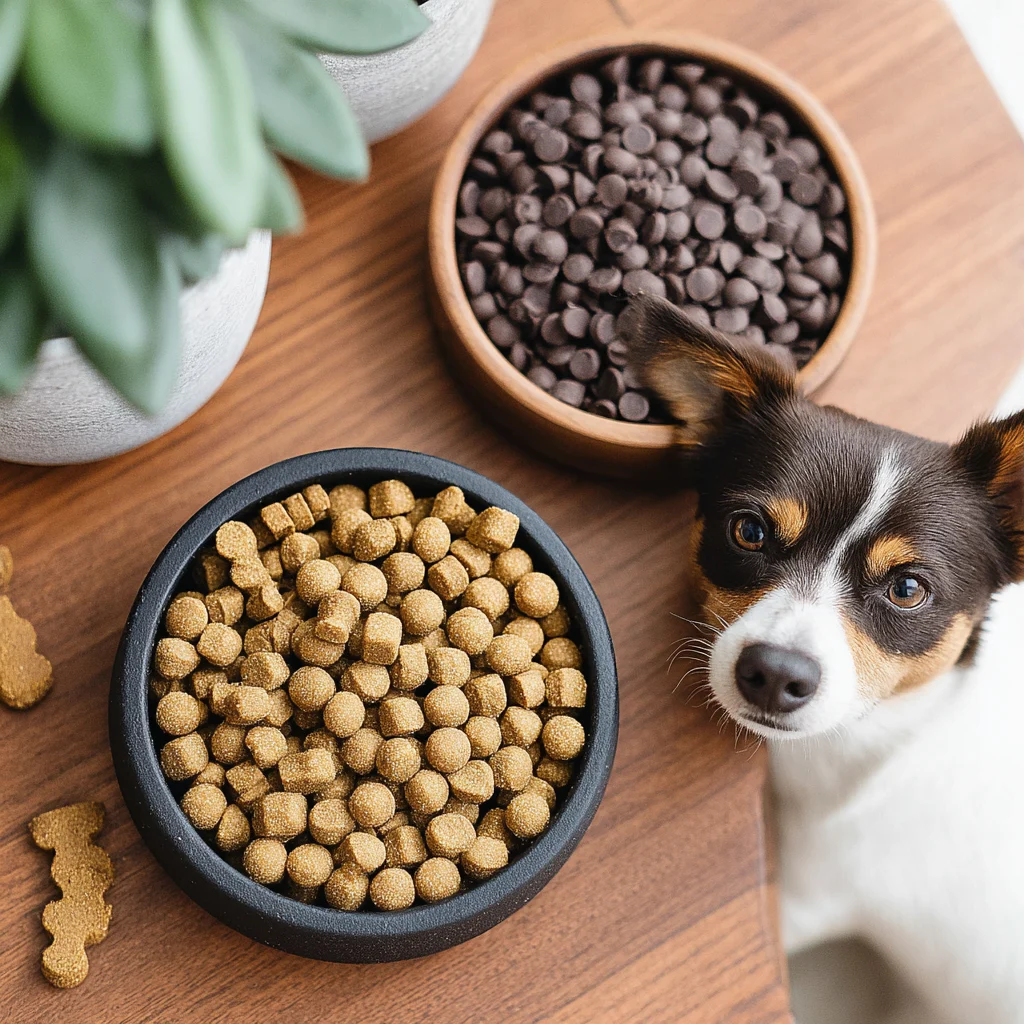
Determining how many calories does my dog need isn’t just about preventing weight gain—it’s about ensuring your furry companion has the energy for daily adventures while maintaining optimal health throughout their lifetime.
Understanding the Basics
Your dog’s caloric needs depend on several interconnected factors that work together to determine their daily energy requirements. Age plays a crucial role, as puppies require significantly more calories per pound of body weight compared to adult dogs due to their rapid growth and higher activity levels. Senior dogs typically need fewer calories as their metabolism slows and activity decreases.
Activity level dramatically impacts caloric requirements. Working dogs, highly active breeds, and dogs who exercise vigorously for more than an hour daily need substantially more fuel than couch-potato companions. A Border Collie herding sheep requires different nutrition than a Bulldog who prefers leisurely walks.
Body condition and current weight status also influence calculations. Overweight dogs need controlled calorie reduction, while underweight dogs require increased intake. Spayed and neutered dogs often need 10-20% fewer calories than intact dogs due to hormonal changes affecting metabolism.
Environmental factors matter too. Dogs living in extremely cold climates burn more calories maintaining body temperature, while those in hot climates may have reduced appetites and lower energy needs.
Step-by-Step Calorie Calculation Guide
Calculate Your Dog’s Resting Energy Requirement (RER)
Start with the basic formula: RER = 70 × (body weight in kg)^0.75. For dogs weighing 2-45 pounds, you can use the simpler calculation: RER = (body weight in pounds ÷ 2.2) × 30 + 70. This gives you the minimum calories needed for basic bodily functions like breathing, circulation, and organ function.
Apply the Activity Multiplier
Multiply your dog’s RER by the appropriate factor based on their lifestyle. Sedentary or obese dogs need RER × 1.2-1.4, while typical adult dogs require RER × 1.6-1.8. Active dogs need RER × 2.0-2.5, and working dogs or extremely active breeds may need RER × 3.0 or higher. Puppies typically need RER × 2.0-3.0 depending on their age and growth rate.
Monitor and Adjust
Track your dog’s body condition weekly using the 9-point body condition scoring system. You should easily feel their ribs with gentle pressure, see a visible waist when viewed from above, and notice an abdominal tuck from the side. Adjust portions by 10-15% increments if needed, waiting 2-3 weeks between changes to see results.
Account for Treats and Extras
Treats should comprise no more than 10% of daily calories. This includes training rewards, dental chews, and table scraps. If you’re using high-calorie treats during training sessions, reduce meal portions accordingly. Many pet parents forget to account for these extras, leading to gradual weight gain.
Consider Life Stage Adjustments
Pregnant dogs need 1.5-2 times normal calories during the last trimester, while nursing mothers may need 2-4 times their normal intake depending on litter size. Senior dogs often need nutrient-dense foods with fewer calories, while growing puppies need frequent meals with higher caloric density.
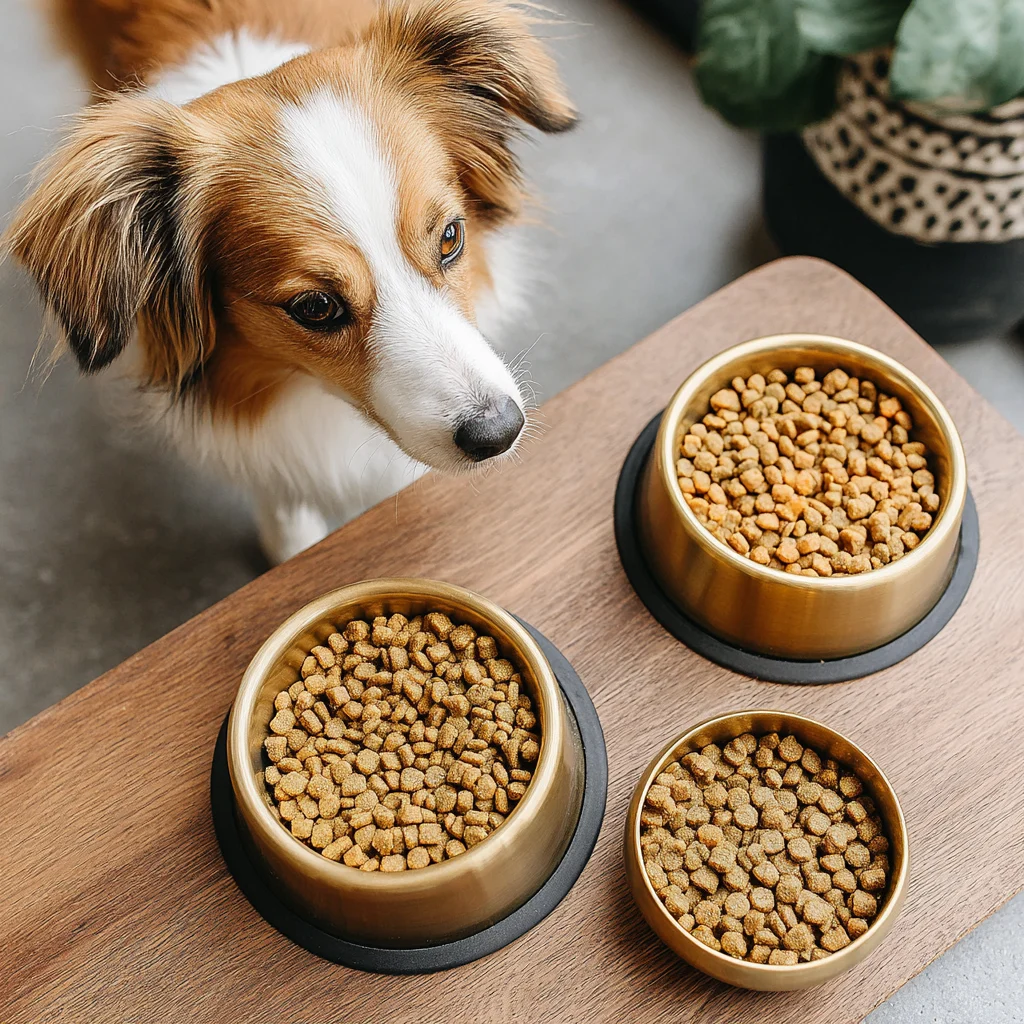
Safety & Maintenance
Never reduce calories by more than 25% without veterinary supervision, as rapid weight loss can cause serious health complications. Dogs losing more than 1-2% of body weight weekly need immediate professional evaluation. Pregnant, nursing, or growing dogs should never be placed on calorie-restricted diets. Always transition food changes gradually over 7-10 days to prevent digestive upset, and monitor for signs of lethargy or behavioral changes that might indicate inadequate nutrition.
Common Mistakes to Avoid
Free-feeding makes portion control impossible and often leads to overeating. Instead, measure meals using a kitchen scale for accuracy—measuring cups can be surprisingly inaccurate. Many owners underestimate treat calories or forget to account for training rewards throughout the day. Don’t rely solely on feeding guidelines printed on dog food bags, as these are general recommendations that may not suit your individual dog’s needs. Lastly, avoid making dramatic dietary changes without consulting your veterinarian, especially for dogs with health conditions or those taking medications.
Conclusion
Proper calorie management keeps your dog healthy, energetic, and happy throughout their life. Start calculating today, and share how this recipe or guide helped improve your pup’s wellbeing—every dog deserves personalized nutrition that supports their unique lifestyle.
FAQs
How often should I recalculate my dog’s calorie needs?
Reassess every 3-6 months for adult dogs, monthly for puppies, and immediately after major life changes like spaying, neutering, or significant activity level changes.
Do different dog food brands affect caloric needs?
Yes, foods vary significantly in caloric density and digestibility. Always check the calories per cup on your specific food and adjust portions accordingly when switching brands.
Should I reduce calories if my dog seems less active in winter?
Many dogs naturally become less active in colder months. Monitor body condition closely and reduce portions by 10-15% if you notice weight gain over several weeks.
How do I know if my calculations are working?
Your dog should maintain stable weight with good energy levels. Ribs should be easily felt but not visible, and your dog should have a clear waist when viewed from above.
Can medications affect my dog’s calorie needs?
Certain medications like steroids can increase appetite and affect metabolism. Discuss caloric adjustments with your veterinarian when starting new medications.
What if my dog always seems hungry even with proper portions?
Some dogs are food-motivated regardless of actual hunger. Try adding low-calorie vegetables like green beans or carrots to meals for volume without excess calories. For more tips on managing food-motivated dogs, consider puzzle feeders to slow eating and increase meal satisfaction.
How Many Calories Does My Dog Need?
Ingredients
Method
- Calculate your dog's Resting Energy Requirement (RER) using the formula: RER = 70 × (body weight in kg)^0.75. For dogs weighing 2-45 pounds, use: RER = (body weight in pounds ÷ 2.2) × 30 + 70.
- Apply the appropriate activity multiplier: Sedentary dogs (RER × 1.2-1.4), typical adult dogs (RER × 1.6-1.8), active dogs (RER × 2.0-2.5), working dogs (RER × 3.0+), puppies (RER × 2.0-3.0).
- Monitor your dog's body condition weekly using the 9-point body condition scoring system. Check that ribs are easily felt with gentle pressure and waist is visible from above.
- Account for treats and extras, ensuring they don't exceed 10% of daily calories. Reduce meal portions if using high-calorie treats during training.
- Make adjustments in 10-15% increments if needed, waiting 2-3 weeks between changes to see results.
- Consider life stage adjustments: pregnant dogs need 1.5-2x normal calories in last trimester, nursing mothers need 2-4x normal intake, senior dogs often need fewer calories.
Leave a Reply