
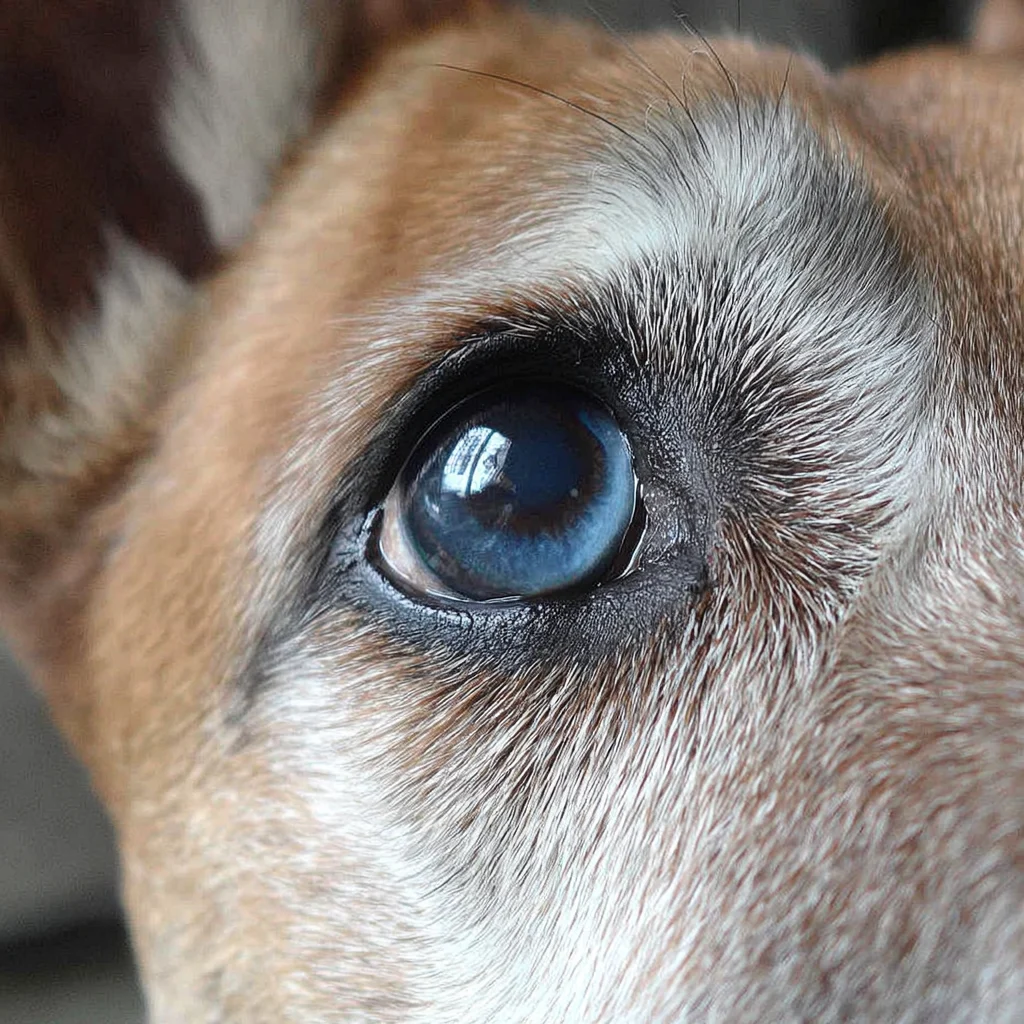
Discovering cloudy eyes in dogs can send any pet parent into immediate panic mode. That milky, hazy appearance where your dog’s normally clear eyes once sparkled is both alarming and heartbreaking. While cloudy eyes in dogs can signal serious conditions requiring urgent veterinary attention, understanding the underlying causes empowers you to take swift, appropriate action.
Understanding the Basics
Cloudy eyes in dogs occur when the normally transparent structures of the eye become opaque or hazy. This cloudiness can affect the cornea, lens, or other eye components, dramatically impacting your dog’s vision and overall quality of life. The opacity develops when proteins clump together, fluid accumulates abnormally, or inflammatory processes damage delicate eye tissues.
Age plays a significant role in eye cloudiness, with senior dogs experiencing higher rates of lens changes and degenerative conditions. However, cloudy eyes aren’t exclusively an older dog problem. Puppies and young adults can develop cloudiness from infections, injuries, genetic predispositions, or autoimmune disorders.
The speed of onset matters tremendously. Sudden cloudiness appearing overnight typically indicates acute conditions like glaucoma or corneal ulcers requiring emergency treatment. Gradual cloudiness developing over weeks or months often suggests progressive conditions like cataracts or nuclear sclerosis.
Understanding your dog’s breed predispositions helps identify potential risks. Certain breeds carry genetic tendencies toward specific eye conditions causing cloudiness, making regular veterinary eye examinations crucial for early detection and intervention.
8 Shocking Causes Every Owner Must Know
1. Cataracts
Cataracts cause lens proteins to clump and crystallize, creating characteristic white or gray cloudiness. Diabetic dogs develop cataracts rapidly, sometimes within weeks of diagnosis. Inherited cataracts affect specific breeds like Golden Retrievers and Poodles, often appearing in young adulthood.
2. Glaucoma
This emergency condition involves increased pressure within the eye, causing corneal swelling and cloudiness. Dogs experience severe pain, often pawing at affected eyes or showing reluctance to have their heads touched. Without immediate treatment, permanent blindness occurs within hours.
3. Corneal Ulcers
Scratches, foreign objects, or chemical irritants can damage the cornea’s surface, creating painful ulcers. The surrounding tissue becomes cloudy as healing attempts begin. Dogs typically squint, tear excessively, and avoid bright lights.
4. Uveitis
Inflammation of the eye’s middle layer creates cloudiness accompanied by redness and pain. Autoimmune diseases, infections, or systemic illnesses often trigger uveitis. The condition can affect one or both eyes simultaneously.
5. Nuclear Sclerosis
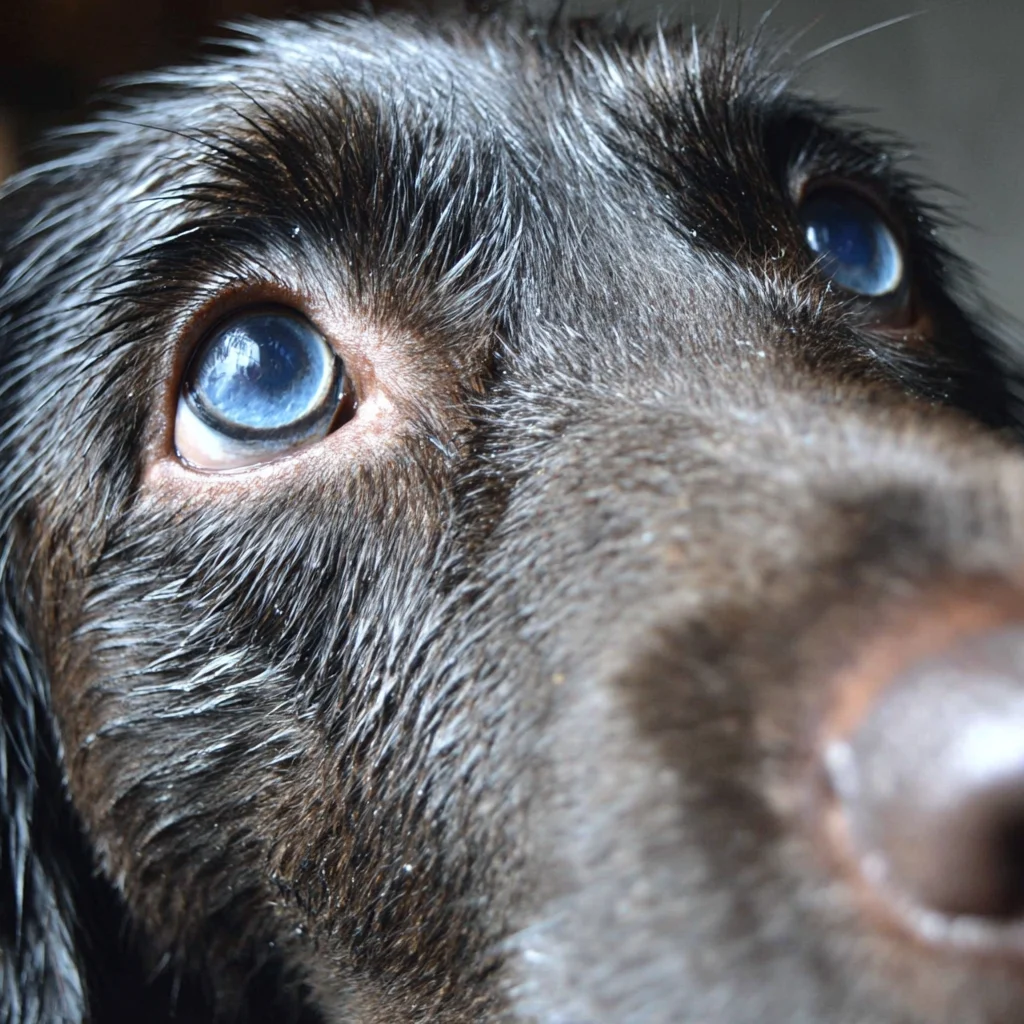
This age-related lens hardening creates bluish-gray cloudiness but doesn’t significantly impact vision. Often mistaken for cataracts, nuclear sclerosis affects most dogs over eight years old and requires no treatment.
6. Keratitis
Corneal inflammation from allergies, infections, or immune-mediated diseases causes varying degrees of cloudiness. Chronic keratitis can permanently scar the cornea, creating lasting vision impairment.
7. Anterior Lens Luxation
When lens-supporting structures break, the lens dislocates forward, causing immediate cloudiness and severe pain. This genetic condition primarily affects terrier breeds and constitutes a veterinary emergency.
8. Endothelial Dystrophy
The cornea’s inner layer fails to pump fluid properly, causing swelling and cloudiness. This inherited condition typically affects both eyes and progressively worsens without treatment.
Safety & Maintenance
Never attempt home remedies for cloudy eyes, as inappropriate treatments can worsen conditions or cause permanent damage. Avoid using human eye drops, which can be toxic to dogs. Schedule immediate veterinary evaluation for any eye cloudiness, especially when accompanied by pain, redness, or behavioral changes. For more comprehensive health guidance, explore our recipe or guide collection focused on supporting your dog’s overall wellness.
Common Mistakes to Avoid
Waiting to see if cloudiness improves naturally wastes precious treatment time, particularly with emergency conditions like glaucoma. Assuming all eye cloudiness in senior dogs is “just old age” overlooks treatable conditions requiring intervention. Using over-the-counter human eye medications can cause chemical burns or toxic reactions. Delaying professional evaluation because your dog seems comfortable ignores the fact that dogs instinctively hide pain and discomfort.
Conclusion
Cloudy eyes in dogs demand immediate attention and professional evaluation. Early detection and appropriate treatment can preserve vision and prevent painful complications. Document changes with photos and seek veterinary care promptly for the best outcomes.
FAQs
Can cloudy eyes in dogs be reversed? Treatment success depends on the underlying cause. Infections and inflammatory conditions often respond well to medication, while cataracts typically require surgical intervention for vision restoration.
How quickly should I see a vet for cloudy eyes? Schedule an appointment within 24 hours for gradual cloudiness, but seek emergency care immediately if cloudiness appears suddenly or is accompanied by pain.
Are certain dog breeds more prone to cloudy eyes? Yes, breeds like Golden Retrievers, Poodles, Boston Terriers, and Cocker Spaniels have genetic predispositions to various eye conditions causing cloudiness.
Can diet prevent cloudy eyes in dogs? While proper nutrition supports overall eye health, genetic and age-related conditions cannot be prevented through diet alone.
Do cloudy eyes always mean blindness? Not necessarily. Many conditions causing cloudiness are treatable when caught early, and some like nuclear sclerosis don’t significantly impact vision.
What’s the difference between cataracts and nuclear sclerosis? Cataracts appear white or gray and can impair vision significantly, while nuclear sclerosis appears bluish-gray and rarely affects vision. For additional tips on maintaining your dog’s health, follow our comprehensive guides.
Leave a Reply