
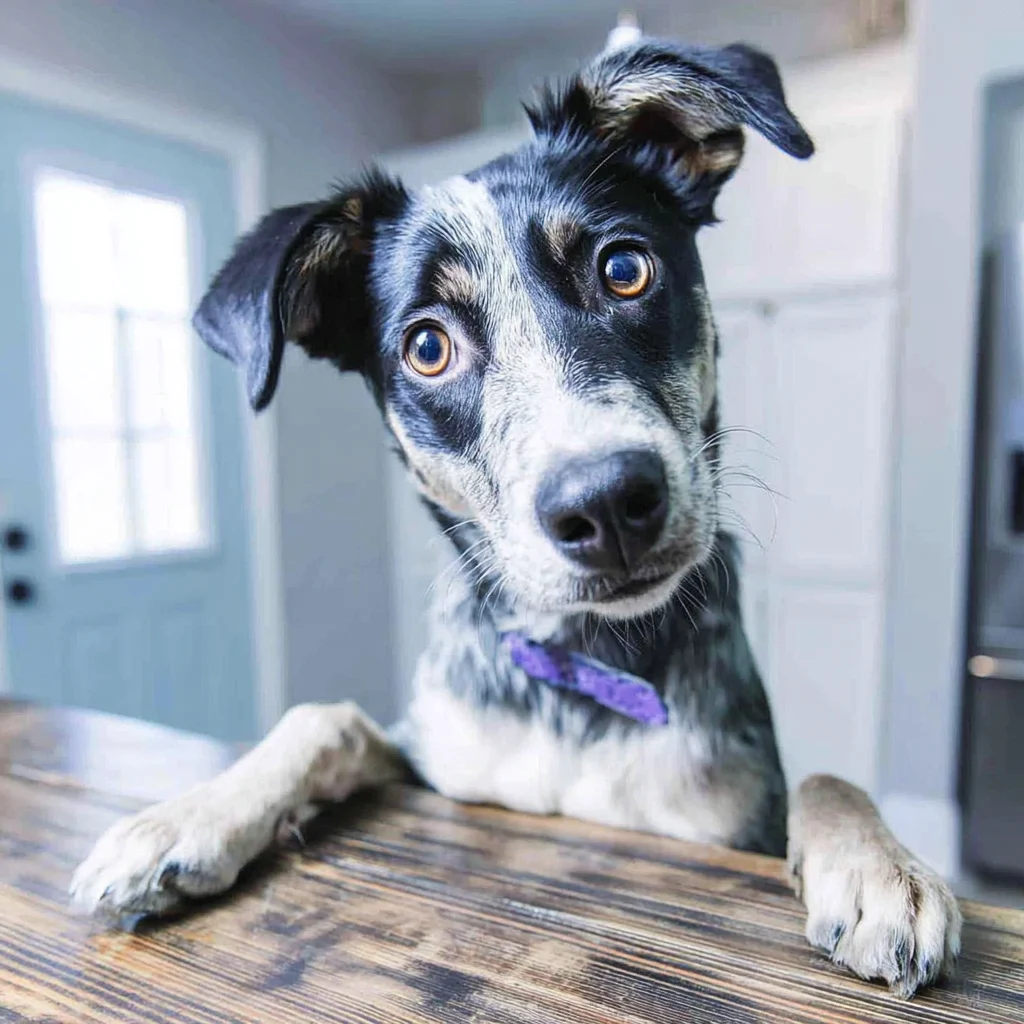
Every dog owner has wondered whether their furry friend is getting enough physical activity. Proper dog exercise isn’t just about burning energy—it’s the foundation of your dog’s physical health, mental well-being, and behavioral balance.
Understanding the Basics
Dog exercise needs vary dramatically based on breed, age, size, and individual temperament. Working breeds like Border Collies and German Shepherds require significantly more activity than companion breeds like Bulldogs or Cavalier King Charles Spaniels. A sedentary lifestyle leads to obesity, destructive behavior, anxiety, and shortened lifespans.
Age plays a crucial role in determining exercise requirements. Puppies need short, frequent play sessions rather than long walks to protect developing joints. Senior dogs benefit from gentle, consistent movement to maintain mobility and mental stimulation. Adult dogs in their prime typically require the most intensive exercise routines.
Size doesn’t always correlate with exercise needs. Many small breeds, particularly terriers, possess high energy levels requiring substantial daily activity. Conversely, some large breeds like Great Danes are surprisingly low-energy dogs content with moderate exercise.
The key lies in recognizing your dog’s individual signals. Excessive panting during mild activity, reluctance to continue walking, or conversely, destructive behavior and restlessness at home indicate exercise imbalances.
Step-by-Step Exercise Planning
Creating an effective exercise routine requires systematic planning tailored to your dog’s specific needs.
1. Assess Your Dog’s Current Fitness Level
Start with short walks and observe your dog’s response. Healthy dogs should recover quickly from moderate exercise without excessive panting or fatigue. Overweight or out-of-shape dogs need gradual conditioning programs, similar to human fitness routines.
2. Establish Daily Minimums
High-energy breeds require 60-90 minutes of vigorous activity daily, including running, hiking, or intensive play sessions. Medium-energy dogs thrive with 30-60 minutes of moderate exercise, combining walks with interactive games. Low-energy breeds need 15-30 minutes of gentle activity, focusing on mental stimulation alongside physical movement.
3. Diversify Activity Types
Physical exercise alone isn’t sufficient. Mental stimulation through puzzle toys, training sessions, and scent work provides equivalent exhaustion to physical activity. Swimming offers excellent low-impact exercise for dogs with joint issues. Fetch, frisbee, and agility training combine physical and mental challenges effectively.
4. Monitor Weather Conditions
Hot pavement burns paw pads, while extreme heat causes dangerous overheating. Exercise during cooler morning or evening hours during summer months. Winter activities require attention to ice, salt, and freezing temperatures affecting paw health.
5. Build Consistency
Dogs thrive on routine. Establish regular exercise times that fit your schedule sustainably. Weekend warriors—owners who exercise dogs intensively only on weekends—risk injury and behavioral problems during inactive weekdays.
6. Recognize Warning Signs
Stop exercise immediately if your dog shows excessive drooling, stumbling, or refuses to continue. These indicate potential overexertion or health issues requiring veterinary attention.
Safety & Maintenance
Always carry water for both you and your dog during exercise sessions. Check paws regularly for cuts, thorns, or wear patterns indicating overuse. Gradually increase exercise intensity over several weeks, allowing muscles and joints to adapt safely. Senior dogs and those with health conditions require veterinary clearance before beginning new exercise programs.

Common Mistakes to Avoid
Many owners underestimate their dog’s exercise requirements, leading to behavioral problems mistakenly attributed to disobedience. Conversely, sudden intensive exercise without proper conditioning causes injuries. Skipping mental stimulation leaves intelligent breeds frustrated despite adequate physical activity. Weather-related oversights result in paw injuries or heat stroke during inappropriate exercise timing.
Conclusion
Proper dog exercise creates happier, healthier, and better-behaved companions. Start with your dog’s individual needs, build consistency gradually, and remember that every recipe or guide for success requires patience and observation.
FAQs
How do I know if my dog is getting enough exercise? Well-exercised dogs rest calmly at home, maintain healthy weight, and display fewer destructive behaviors.
Can I exercise my dog too much? Yes. Overexercise causes joint damage, especially in growing puppies and senior dogs. Watch for excessive fatigue or reluctance to continue.
What’s the best exercise for apartment dogs? Stair climbing, indoor fetch, puzzle toys, and frequent short walks provide adequate activity in limited spaces.
Should I exercise my dog before or after meals? Wait at least one hour after meals before intensive exercise to prevent bloat, especially in large breeds.
How does weather affect exercise needs? Hot weather requires shorter, gentler sessions with frequent water breaks. Cold weather may increase energy needs but requires paw protection.
Do older dogs need less exercise? Senior dogs need consistent, gentler exercise to maintain mobility and mental health. Adjust intensity while maintaining regularity. For more tips on senior dog care, consult breed-specific guidelines.
Dog Exercise Guide
Ingredients
Method
- Assess your dog's current fitness level by starting with short walks and observing response
- Establish daily minimums based on your dog's energy level and breed requirements
- Diversify activity types including physical exercise, mental stimulation, swimming, fetch, and training
- Monitor weather conditions and exercise during cooler hours in summer, protect paws in winter
- Build consistency with regular exercise times that fit your schedule sustainably
- Recognize warning signs like excessive drooling, stumbling, or refusal to continue and stop immediately
Leave a Reply