
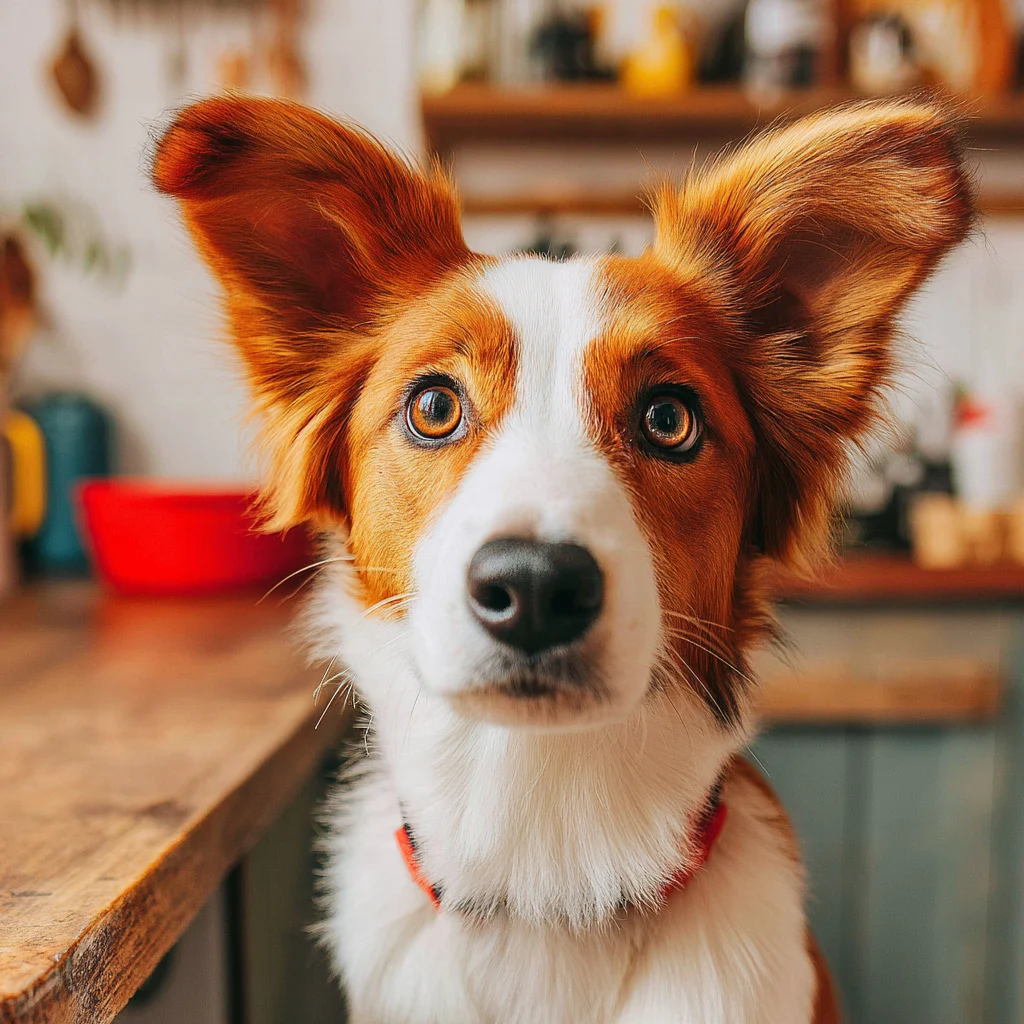
Holiday decorations, bustling visitors, and disrupted routines can turn your peaceful pup into a stressed-out bundle of nerves. Dog anxiety spikes dramatically during the holiday season, leaving many pet parents scrambling for solutions to help their furry family members cope.
Understanding the Basics
Holiday-induced canine anxiety stems from multiple triggers that overwhelm your dog’s natural coping mechanisms. Unfamiliar sounds like doorbell chimes, crackling wrapping paper, and excited conversations create sensory overload. Visual changes such as twinkling lights, towering Christmas trees, and rearranged furniture disrupt their familiar environment. The influx of guests introduces new scents, voices, and energy levels that can trigger territorial responses or social stress.
Your dog’s routine becomes completely upended during holidays. Regular meal times shift, walk schedules change, and their usual quiet spaces may be occupied by decorations or guests. Dogs thrive on predictability, so these disruptions activate their stress response. Additionally, your own heightened excitement or holiday stress transmits directly to your pet through energy and body language, creating a feedback loop of anxiety.
Step-by-Step Guide
1. Create a Safe Haven
Designate a quiet room as your dog’s retreat zone, complete with their favorite bed, toys, and water bowl. This sanctuary remains off-limits to guests and decorations, providing consistent comfort when anxiety peaks.
2. Maintain Feeding Schedules
Keep meal times consistent despite holiday chaos. Stable nutrition schedules anchor your dog’s routine and prevent additional digestive stress. Consider puzzle feeders to provide mental stimulation during long indoor periods.
3. Exercise Before Events
Tire out your pup with vigorous exercise 2-3 hours before guests arrive. A well-exercised dog handles stress better and settles more easily during gatherings. Mental stimulation through training games works equally well for high-energy breeds.
4. Use Calming Supplements
Natural supplements containing L-theanine, chamomile, or valerian root can reduce anxiety when given 30-60 minutes before stressful events. Consult your veterinarian about appropriate dosages for your dog’s size and needs.
5. Practice Desensitization
Gradually expose your dog to holiday sounds using recorded audio at low volumes, slowly increasing intensity over several days. Reward calm behavior with treats and praise to build positive associations.
6. Implement Thunder Shirts
Anxiety wraps apply gentle, constant pressure that mimics swaddling, naturally calming nervous dogs. Put the wrap on 20 minutes before anticipated stressors for maximum effectiveness.
7. Control Guest Interactions
Brief visitors on appropriate dog greetings before they enter. Ask guests to ignore anxious dogs initially, allowing your pet to approach on their terms rather than forcing interactions.
8. Use Pheromone Diffusers
Dog-appeasing pheromone diffusers release synthetic versions of calming scents mother dogs produce. Plug them in 24 hours before events to establish a relaxing atmosphere throughout your home.
9. Stick to Familiar Foods
Resist sharing rich holiday foods that can cause digestive upset on top of existing stress. Maintain regular recipe or guide schedules and offer special dog-safe treats instead.
10. Stay Calm Yourself
Your emotional state directly influences your dog’s stress levels. Practice deep breathing, maintain normal voice tones, and avoid rushing around frantically. Dogs mirror their owner’s energy remarkably accurately.
Safety & Maintenance
Monitor your dog for escalating anxiety signs including excessive panting, drooling, destructive behavior, or loss of appetite. Severe cases may require veterinary intervention or prescription anti-anxiety medications. Never punish anxious behaviors, as this increases stress and damages trust. Instead, redirect nervous energy into positive activities and consistently reward calm responses to build confidence over time.
Common Mistakes to Avoid
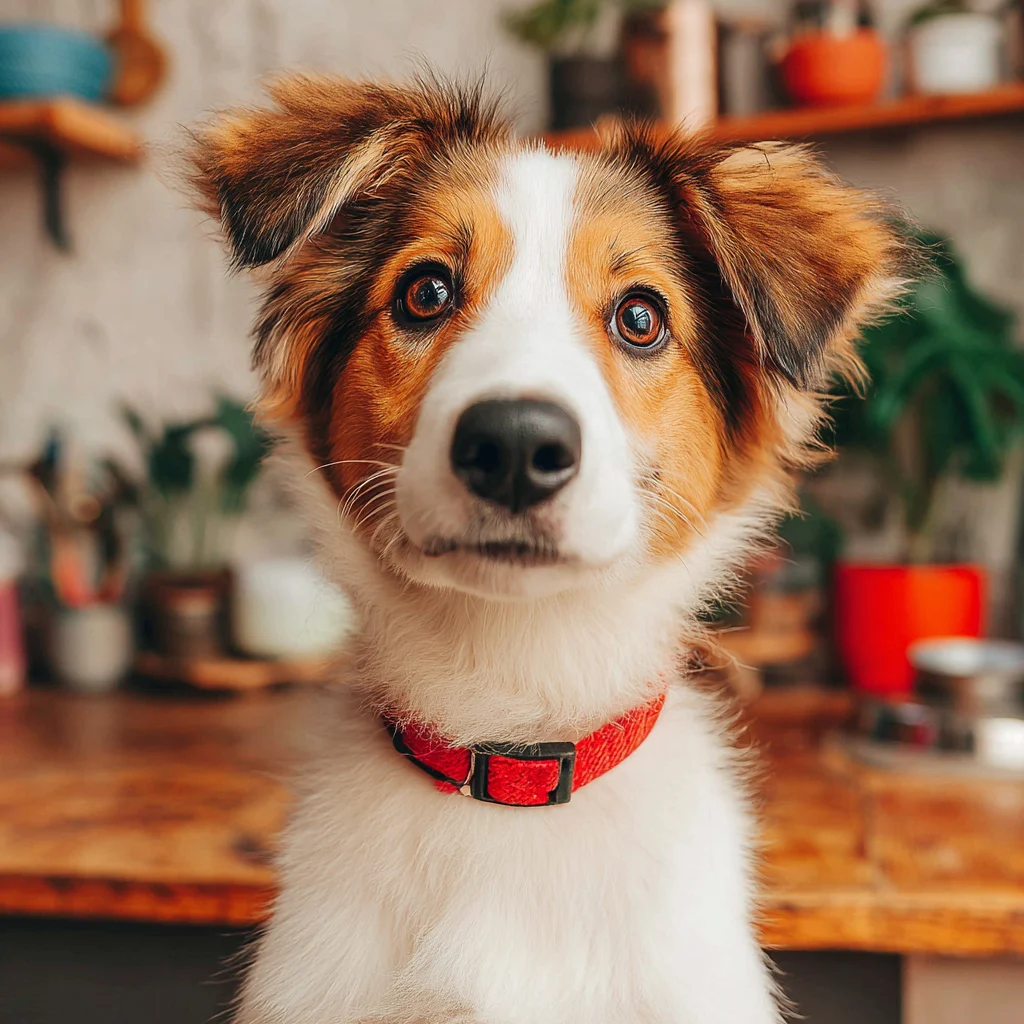
Forcing interactions between anxious dogs and enthusiastic guests creates negative associations and worsens future social anxiety. Overcomforting nervous dogs with excessive petting and soothing actually reinforces fearful behavior rather than calming them. Changing too many variables simultaneously overwhelms your pet’s ability to adapt. Waiting until anxiety peaks to implement calming strategies proves far less effective than proactive preparation.
Conclusion
Managing dog anxiety during holidays requires patience, preparation, and consistency. These survival hacks transform stressful celebrations into manageable experiences for both you and your beloved companion, creating peaceful memories together.
FAQs
How early should I start preparing my anxious dog for holiday events?
Begin desensitization training and environmental preparations at least two weeks before major gatherings to allow adequate adjustment time.
Can I give my dog human anxiety medications during stressful periods?
Never give human medications to dogs without veterinary supervision, as many are toxic to pets. Consult your vet about appropriate canine anti-anxiety options.
What’s the difference between normal holiday excitement and problematic anxiety?
Normal excitement includes brief alertness and curiosity, while problematic anxiety involves persistent trembling, hiding, destructive behavior, or appetite loss lasting hours.
Should I isolate my anxious dog from all holiday activities?
Moderate exposure with escape routes works better than complete isolation. Allow your dog to observe activities from their safe space and approach voluntarily.
How long do holiday anxiety symptoms typically last?
Most dogs readjust within 3-5 days after routines normalize, though severely anxious pets may need several weeks with consistent tips and support.
Are certain dog breeds more susceptible to holiday stress?
Herding breeds and rescue dogs often show heightened sensitivity, but any dog can develop holiday anxiety regardless of breed or background.
Holiday Dog Anxiety Management Guide
Ingredients
Method
- Create a Safe Haven: Designate a quiet room as your dog's retreat zone, complete with their favorite bed, toys, and water bowl. Keep this sanctuary off-limits to guests and decorations.
- Maintain Feeding Schedules: Keep meal times consistent despite holiday chaos. Consider using puzzle feeders to provide mental stimulation during long indoor periods.
- Exercise Before Events: Tire out your pup with vigorous exercise 2-3 hours before guests arrive. Use mental stimulation through training games for high-energy breeds.
- Use Calming Supplements: Give natural supplements containing L-theanine, chamomile, or valerian root 30-60 minutes before stressful events. Consult your veterinarian about appropriate dosages.
- Practice Desensitization: Gradually expose your dog to holiday sounds using recorded audio at low volumes, slowly increasing intensity over several days. Reward calm behavior with treats and praise.
- Implement Thunder Shirts: Put the anxiety wrap on 20 minutes before anticipated stressors for maximum effectiveness to provide gentle, constant pressure that calms nervous dogs.
- Control Guest Interactions: Brief visitors on appropriate dog greetings before they enter. Ask guests to ignore anxious dogs initially, allowing your pet to approach on their terms.
- Use Pheromone Diffusers: Plug in dog-appeasing pheromone diffusers 24 hours before events to establish a relaxing atmosphere throughout your home.
- Stick to Familiar Foods: Maintain regular feeding schedules and offer special dog-safe treats instead of rich holiday foods that can cause digestive upset.
- Stay Calm Yourself: Practice deep breathing, maintain normal voice tones, and avoid rushing around frantically as dogs mirror their owner's energy.
Leave a Reply