
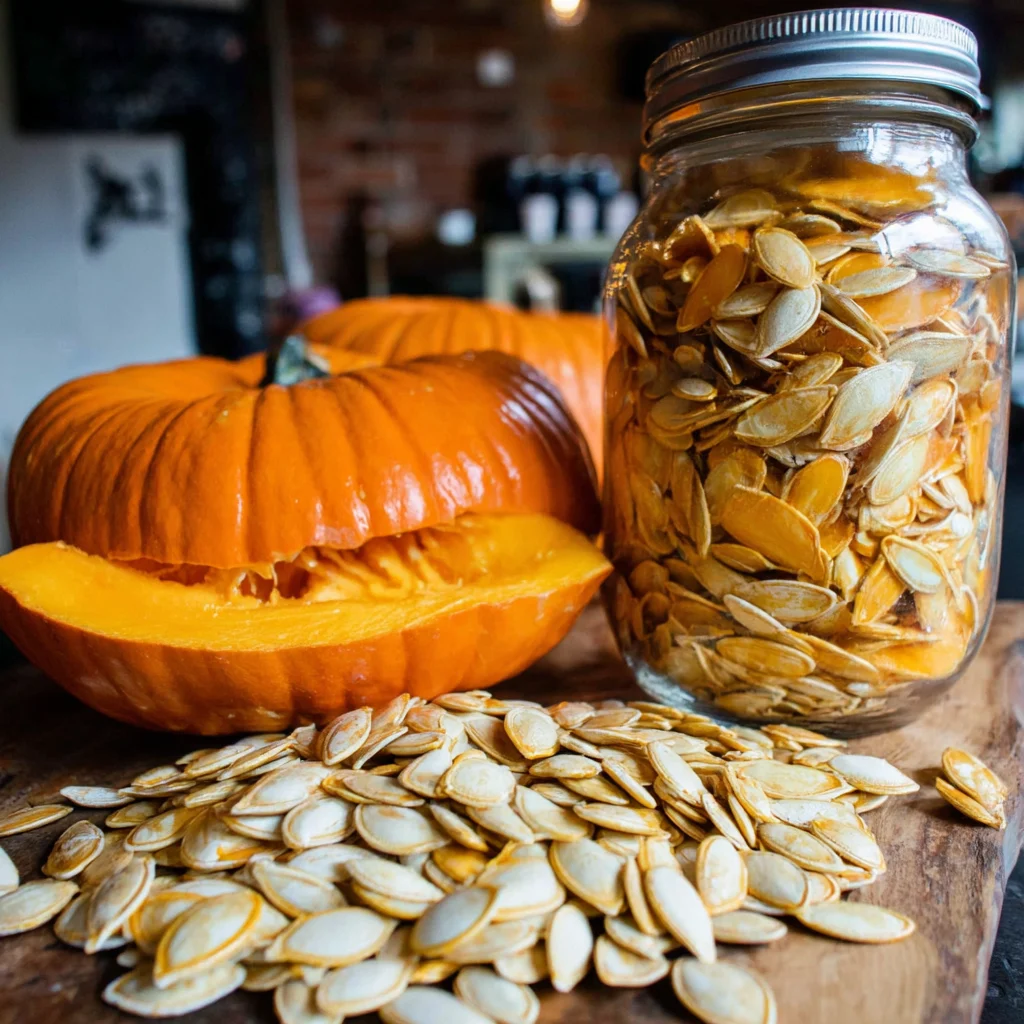
Pumpkin seeds scattered across your kitchen counter might catch your curious pup’s attention, leaving you wondering: can dogs eat pumpkin seeds? The answer isn’t as straightforward as you might expect, with both surprising benefits and hidden dangers lurking beneath their crunchy exterior.
Understanding the Basics
Pumpkin seeds present a complex nutritional puzzle for dog owners. Unlike pumpkin flesh, which is widely recognized as safe and beneficial for dogs, pumpkin seeds occupy a gray area that requires careful consideration. Raw pumpkin seeds contain valuable nutrients including zinc, magnesium, and healthy fats that can support your dog’s immune system and coat health. However, they also pose potential risks that every responsible pet parent should understand.
The primary concern with pumpkin seeds lies in their tough, fibrous hulls and high fat content. Large or improperly prepared seeds can create choking hazards, particularly for smaller breeds. Additionally, the concentrated nature of nutrients in seeds means that what’s beneficial in small amounts can become problematic when consumed in larger quantities. Dogs with sensitive digestive systems may experience upset stomach, diarrhea, or vomiting when introduced to pumpkin seeds too quickly or in excessive amounts.
The preparation method significantly impacts whether pumpkin seeds are safe for your furry friend. Store-bought pumpkin seeds often contain excessive salt, spices, or oils that can be harmful to dogs. Raw seeds straight from a fresh pumpkin, while natural, may harbor bacteria or be difficult for dogs to digest properly.
Step-by-Step Guide to Safe Pumpkin Seed Feeding
1. Choose Fresh, Organic Seeds
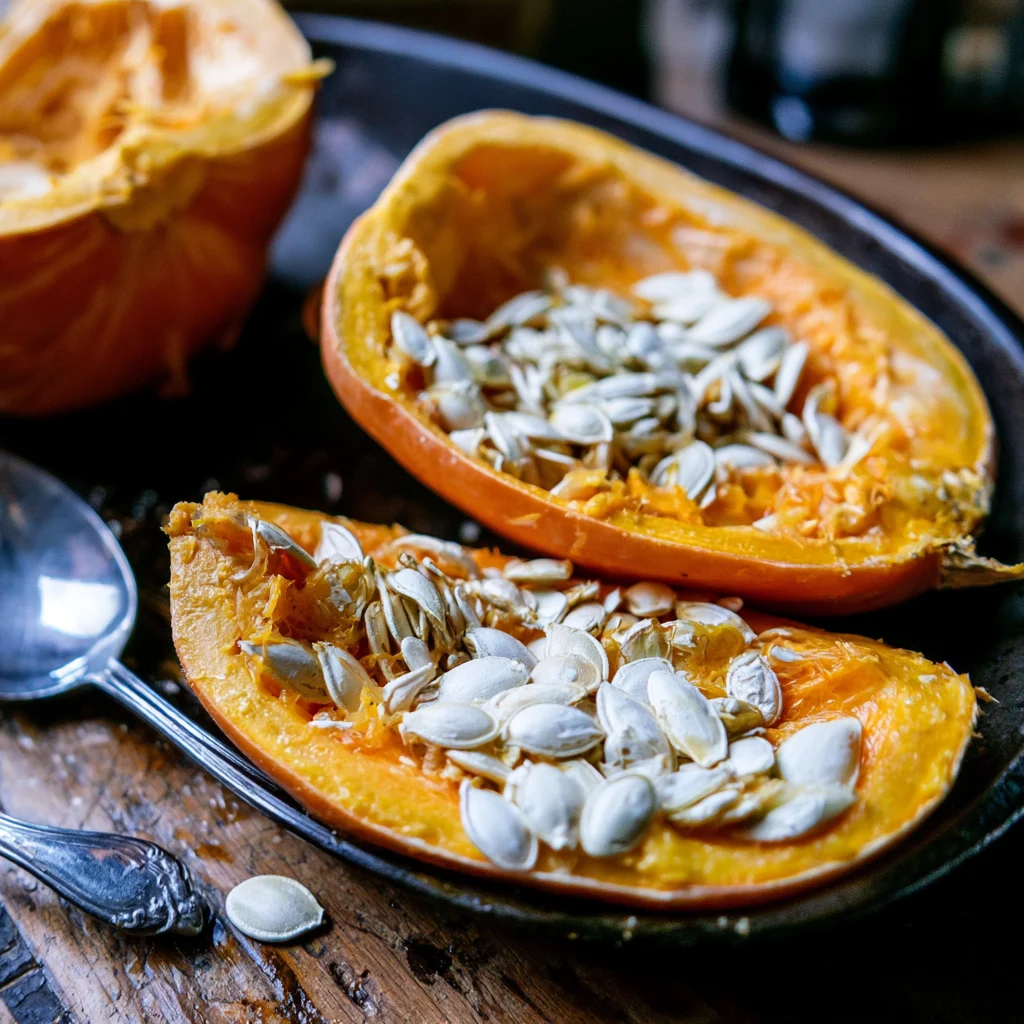
Select seeds from fresh pumpkins rather than pre-packaged varieties. Organic pumpkins reduce the risk of pesticide exposure, making them the safest choice for your pet. Remove seeds directly from the pumpkin cavity, ensuring they’re free from pulp and debris.
2. Clean Thoroughly
Rinse the seeds under cold water, removing all pumpkin flesh and stringy material. This step prevents bacterial growth and makes the seeds easier for your dog to digest. Pat the seeds completely dry with paper towels to prepare them for the next step.
3. Remove or Soften the Hulls
For smaller dogs, consider removing the tough outer hulls entirely by cracking them open and extracting the inner seed meat. For larger dogs, you can soften the hulls by roasting the seeds at 300°F for 20-30 minutes without any oil, salt, or seasonings.
4. Start with Tiny Portions
Introduce pumpkin seeds gradually, starting with just one or two seeds for small dogs, and no more than five for larger breeds. Monitor your dog closely for any signs of digestive upset over the following 24 hours.
5. Grind for Better Digestion
Consider grinding prepared pumpkin seeds into a powder using a coffee grinder or food processor. This method maximizes nutrient absorption while minimizing choking risks and digestive challenges. Sprinkle the powder over your dog’s regular food.
6. Monitor and Adjust
Watch for positive signs like improved coat shine or digestive regularity, as well as negative reactions such as loose stools or decreased appetite. Adjust the frequency and amount based on your dog’s individual response. Some dogs may benefit from pumpkin seeds once or twice weekly, while others may not tolerate them at all.
Remember to consult your veterinarian before adding pumpkin seeds to your dog’s diet, especially if your pet has existing health conditions or takes medications. This recipe or guide approach ensures you’re making informed decisions about your dog’s nutrition.
Safety & Maintenance
Never exceed more than a few seeds per week, even for large dogs, as excessive consumption can lead to pancreatitis due to high fat content. Store prepared pumpkin seeds in an airtight container in the refrigerator for up to one week, or freeze them for longer storage. Always supervise your dog while eating pumpkin seeds to prevent choking incidents.
Common Mistakes to Avoid
Feeding salted or seasoned pumpkin seeds ranks among the most dangerous errors pet parents make. These additives can cause sodium poisoning or digestive irritation. Additionally, giving whole, raw seeds to small dogs creates unnecessary choking hazards. Many owners also make the mistake of offering too many seeds initially, overwhelming their dog’s digestive system and creating negative associations with this potentially beneficial treat.
Conclusion
Dogs can safely eat properly prepared pumpkin seeds in moderation, but preparation and portion control are absolutely crucial. Start slowly, monitor carefully, and always prioritize your dog’s individual needs and reactions over general guidelines.
FAQs
How many pumpkin seeds can I give my dog daily?
Limit pumpkin seeds to 1-2 for small dogs and 3-5 for large dogs, offered only 1-2 times per week rather than daily.
Are roasted pumpkin seeds better than raw ones for dogs?
Plain roasted seeds (without oil or salt) are often easier to digest and safer than raw seeds, which may harbor bacteria.
Can puppies eat pumpkin seeds?
Puppies under six months should avoid pumpkin seeds due to their developing digestive systems. Consult your veterinarian before introducing them to older puppies.
What should I do if my dog ate salted pumpkin seeds?
Contact your veterinarian immediately, as excess sodium can be toxic. Provide fresh water and monitor for symptoms like vomiting, diarrhea, or excessive thirst.
Do pumpkin seeds help with dog parasites?
While some claim pumpkin seeds have anti-parasitic properties, there’s insufficient scientific evidence. Always consult your veterinarian for proper parasite treatment.
Can dogs be allergic to pumpkin seeds?
Yes, though rare, dogs can develop allergies to pumpkin seeds. Watch for itching, swelling, or digestive upset and discontinue use if symptoms appear.
For more helpful pet care tips, remember that every dog is unique, and what works for one may not work for another.
Safe Pumpkin Seeds for Dogs
Ingredients
Method
- Select seeds from fresh, organic pumpkins rather than pre-packaged varieties. Remove seeds directly from pumpkin cavity, ensuring they’re free from pulp and debris.
- Rinse the seeds under cold water, removing all pumpkin flesh and stringy material. Pat the seeds completely dry with paper towels.
- For smaller dogs, consider removing tough outer hulls by cracking them open and extracting inner seed meat. For larger dogs, soften hulls by roasting at 300°F for 20-30 minutes without oil, salt, or seasonings.
- Start with tiny portions: 1-2 seeds for small dogs, no more than 5 for larger breeds. Monitor dog closely for 24 hours for any signs of digestive upset.
- Consider grinding prepared pumpkin seeds into powder using coffee grinder or food processor for better digestion. Sprinkle powder over dog’s regular food.
- Monitor for positive signs like improved coat shine or negative reactions like loose stools. Adjust frequency and amount based on individual dog’s response – some dogs may benefit from seeds 1-2 times weekly, others may not tolerate them at all.
Leave a Reply