
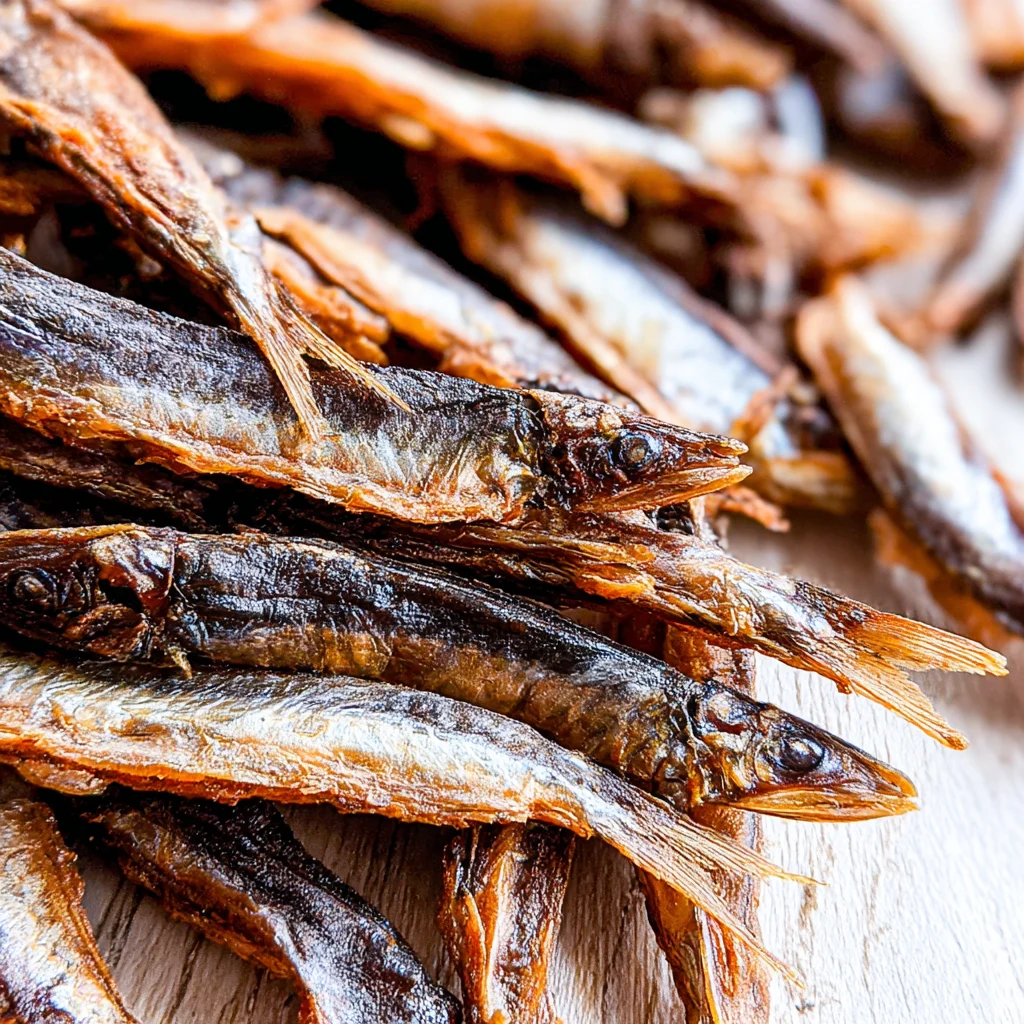
Dried sprats for dogs offer an exceptional combination of nutrition and flavor that makes tails wag with excitement. These tiny, silver fish pack a powerful punch of omega-3 fatty acids, protein, and essential nutrients that support your dog’s overall health while delivering an irresistible taste experience.
Understanding the Nutritional Powerhouse
Sprats are small, oily fish that belong to the herring family, naturally rich in omega-3 fatty acids EPA and DHA. When properly dried, they retain their nutritional value while becoming a convenient, shelf-stable treat. The dehydration process concentrates the nutrients, making dried sprats an excellent source of high-quality protein, calcium, and phosphorus for bone health.
The omega-3 content in dried sprats supports skin and coat health, reduces inflammation, and promotes cognitive function in dogs of all ages. Unlike many commercial treats that contain artificial preservatives and fillers, dried sprats provide pure, single-ingredient nutrition that mirrors what dogs would naturally consume in the wild.
The calcium and phosphorus content supports dental health by encouraging natural chewing behaviors that help remove plaque and tartar buildup. Additionally, the natural oils in sprats contribute to joint health and mobility, making them particularly beneficial for senior dogs or those with arthritis.
Choosing and Serving Dried Sprats Safely
Quality Selection Criteria
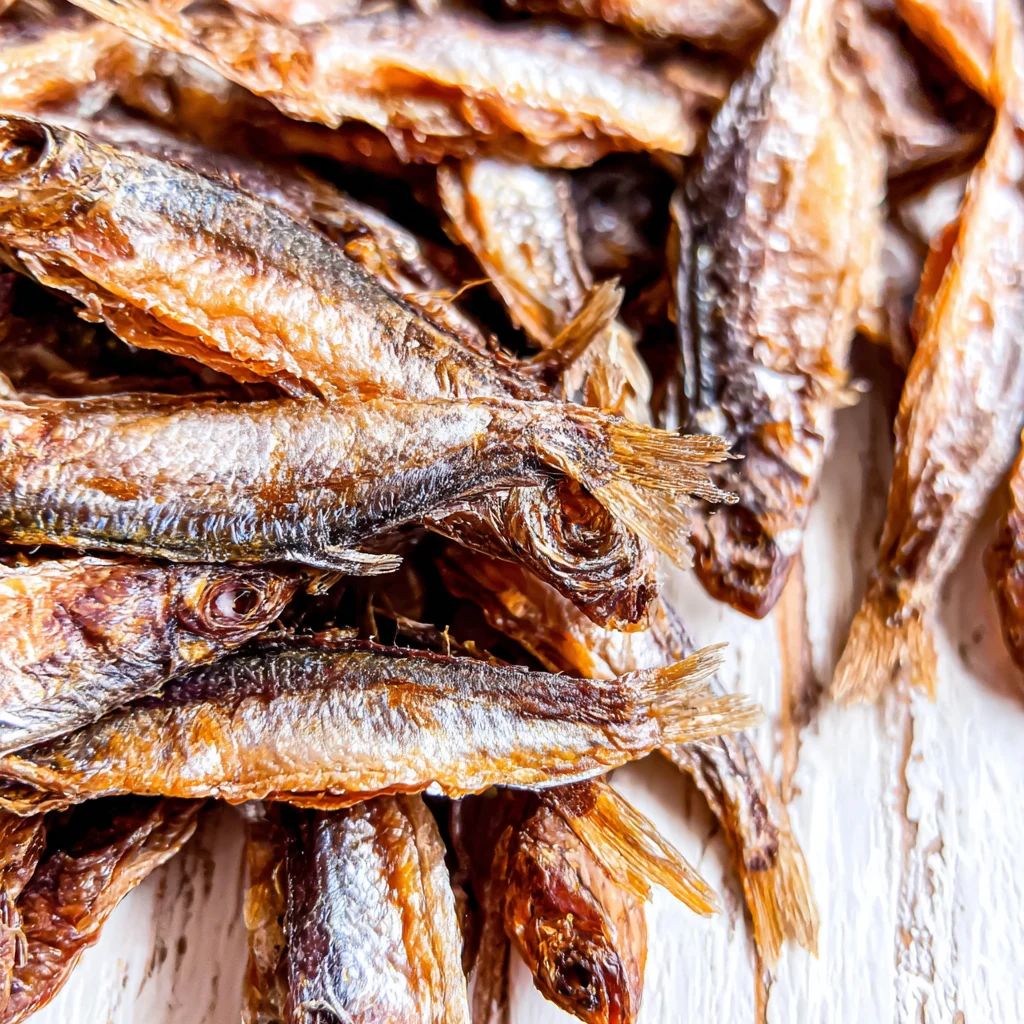
Select dried sprats that are naturally dehydrated without artificial additives, salt, or preservatives. The fish should appear silver-gray in color with a firm texture and mild oceanic scent. Avoid products with added oils, seasonings, or chemical preservatives that could upset your dog’s digestive system.
Proper Storage Methods
Store opened packages in airtight containers in a cool, dry place to maintain freshness and prevent spoilage. Refrigeration extends shelf life and preserves the natural oils that provide health benefits. Check expiration dates regularly and discard any sprats that develop an unusual odor or appear moldy.
Serving Size Guidelines
Start with small quantities to assess your dog’s tolerance, offering 1-2 sprats for small dogs and 3-5 for larger breeds. These nutrient-dense treats should comprise no more than 10% of your dog’s daily caloric intake to maintain balanced nutrition. Monitor your dog’s response and adjust portions accordingly.
Creative Serving Methods
Incorporate dried sprats into training sessions as high-value rewards that maintain your dog’s attention and motivation. Break larger sprats into smaller pieces for puppies or dogs with smaller mouths. Use them as meal toppers to encourage picky eaters or mix with regular kibble for added flavor and nutrition.
Frequency Recommendations
Offer dried sprats 2-3 times per week as part of a varied treat rotation. This frequency provides nutritional benefits while preventing dietary monotony and potential digestive upset from overconsumption. Always introduce new treats gradually to allow your dog’s system to adjust properly.
Health Benefits and Considerations
Regular consumption of dried sprats can improve coat shine and reduce excessive shedding within 4-6 weeks of consistent feeding. The anti-inflammatory properties of omega-3 fatty acids may help manage skin allergies and reduce itching in sensitive dogs. The protein content supports muscle development and maintenance, particularly important for active dogs and growing puppies.
Dogs with fish allergies should avoid dried sprats entirely, while those with sensitive stomachs should start with minimal portions to assess tolerance. Consult your veterinarian before introducing dried sprats if your dog has a history of pancreatitis or other digestive disorders, as the natural oils may trigger symptoms in susceptible animals.
Common Mistakes to Avoid
Overfeeding dried sprats can lead to digestive upset and weight gain due to their caloric density. Many pet parents mistakenly offer unlimited quantities, forgetting that treats should supplement, not replace, balanced meals. Another frequent error involves storing opened packages improperly, leading to rancidity and loss of nutritional value. Always check for bones or hard fragments that might pose choking hazards, especially when offering sprats to smaller dogs or puppies.
Conclusion
Dried sprats represent an excellent natural treat option that combines irresistible flavor with substantial health benefits. By following proper serving guidelines and quality selection criteria, you can safely incorporate this nutritious recipe or guide into your dog’s diet for improved overall wellness.
FAQs
Are dried sprats safe for puppies?
Yes, dried sprats are safe for puppies over 12 weeks old when offered in appropriate portions. Break them into smaller pieces and introduce gradually to prevent choking.
Can dogs with food allergies eat dried sprats?
Dogs with known fish allergies should avoid dried sprats. However, they may be suitable for dogs with common protein allergies to chicken or beef, as fish is often a novel protein source.
How long do opened packages of dried sprats stay fresh?
Properly stored dried sprats remain fresh for 2-3 months in airtight containers at room temperature, or up to 6 months when refrigerated.
Should I soak dried sprats before serving?
Soaking isn’t necessary for most dogs, but it can soften the texture for senior dogs with dental issues or very young puppies with developing teeth.
Can dried sprats replace regular dog treats entirely?
While nutritious, dried sprats shouldn’t be the only treat in your dog’s diet. Variety ensures balanced nutrition and prevents boredom with single flavors.
Do dried sprats help with bad breath in dogs?
The natural oils and chewing action required to eat dried sprats can help improve dental health and reduce bad breath, though they shouldn’t replace regular dental care. For more creative serving tips, explore additional resources.
Dried Sprats for Dogs
Ingredients
Method
- Select high-quality dried sprats that are naturally dehydrated without artificial additives, salt, or preservatives
- Check for bones or hard fragments that might pose choking hazards
- For small dogs, offer 1-2 sprats; for larger breeds, offer 3-5 sprats
- Break larger sprats into smaller pieces for puppies or dogs with smaller mouths
- Start with small quantities to assess your dog's tolerance
- Use as training rewards, meal toppers, or mix with regular kibble
- Offer 2-3 times per week as part of varied treat rotation
- Store opened packages in airtight containers in cool, dry place
Leave a Reply