
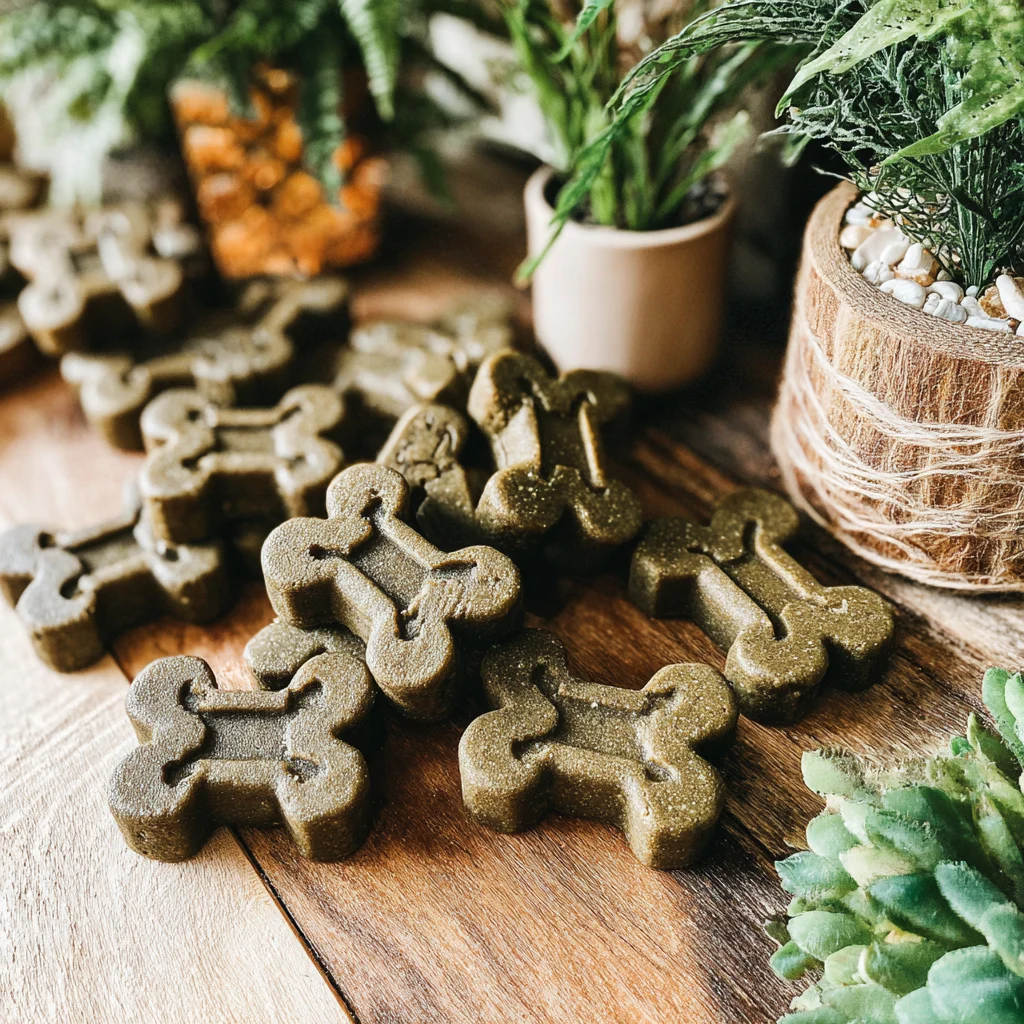
Greenies for dogs remain one of the most popular dental chews on pet store shelves, but the reality behind these green treats might surprise you. Every dog owner deserves to know both the benefits and potential drawbacks before making this important decision for their furry companion’s health.
Understanding the Basics
Greenies dental chews were created to address one of the most common health issues in dogs: dental disease. These chewy treats contain ingredients designed to mechanically scrape away plaque and tartar while dogs gnaw on them. The texture and shape promote chewing action that can help clean teeth surfaces and massage gums.
The active cleaning happens through abrasion. As your dog chews, the treat’s firm yet flexible texture works against tooth surfaces, similar to how a toothbrush removes buildup. Most Greenies also contain chlorophyll, which gives them their signature green color and may help freshen breath naturally.
However, the effectiveness depends entirely on proper chewing behavior. Dogs who gulp their food or treats won’t receive the intended dental benefits, which is why understanding your dog’s eating habits becomes crucial before introducing any dental chew.
The 7 Shocking Pros and Cons Revealed
Pro: Genuine Dental Health Benefits
Veterinary Oral Health Council acceptance means Greenies meet specific standards for plaque and tartar reduction. Regular use can genuinely improve your dog’s oral hygiene when combined with proper veterinary dental care. Many pet parents notice fresher breath within weeks of consistent use.
Con: Digestive Blockage Risks
Large pieces swallowed whole can cause serious intestinal blockages requiring emergency surgery. This risk increases with dogs who eat quickly or don’t chew thoroughly. Always supervise your dog during treat time and remove any large remaining pieces.
Pro: Convenient Daily Dental Care
Unlike brushing teeth daily, Greenies offer a simple way to maintain dental health between professional cleanings. Most dogs eagerly accept them as treats, making compliance much easier than traditional dental care methods.
Con: High Calorie Content
Regular-sized Greenies contain significant calories that must be factored into your dog’s daily intake. Overweight dogs or those on restricted diets may not be suitable candidates without adjusting their regular food portions accordingly.
Pro: Multiple Size and Formula Options
From teacup to large breed sizes, plus grain-free and limited ingredient formulas, there’s likely a Greenies option for most dogs. This variety helps accommodate different dietary needs and chewing abilities across various breeds and life stages.
Con: Potential Allergen Concerns
Some formulations contain common allergens like wheat, soy, or specific proteins that sensitive dogs cannot tolerate. Always read ingredient lists carefully and consult your veterinarian if your dog has known food sensitivities.
Pro: Palatability and Acceptance
Most dogs find Greenies highly appealing, making them an excellent training reward or daily treat. The taste and texture combination keeps dogs engaged in the chewing process longer, maximizing the dental benefits while providing mental stimulation.

Safety and Maintenance
Always choose the appropriate size for your dog’s weight and monitor chewing sessions closely. Replace Greenies with fresh ones if they become too small or hard, as these pose choking hazards. Store them in a cool, dry place and check expiration dates regularly. Never give damaged or expired dental chews, and discontinue use if your dog experiences any digestive upset or allergic reactions.
Common Mistakes to Avoid
Selecting the wrong size remains the biggest error pet parents make. Too small creates choking risks, while too large may discourage chewing. Don’t use Greenies as meal replacements or give multiple treats daily without adjusting food portions. Avoid giving them to puppies under six months old, as their adult teeth haven’t fully developed. Finally, never assume dental chews replace professional veterinary dental care or regular tooth brushing when possible. Check out our complete recipe or guide collection for more healthy treat alternatives.
Conclusion
Greenies for dogs can be valuable tools in your pet’s dental care routine when used appropriately and safely. Understanding both the benefits and risks helps you make the best decision for your individual dog’s needs and health status.
FAQs
How often should I give my dog Greenies?
Most dogs can safely have one appropriately-sized Greenies daily, but adjust their regular food portions to account for the additional calories.
What age can puppies start eating Greenies?
Wait until puppies are at least six months old and have most of their adult teeth before introducing any dental chews.
Are grain-free Greenies better for my dog?
Only if your dog has grain sensitivities or allergies. Most dogs digest regular formulations without issues.
Can Greenies replace brushing my dog’s teeth?
No, they supplement but don’t replace regular brushing and professional dental cleanings recommended by your veterinarian.
What should I do if my dog swallows a large piece?
Monitor closely for signs of distress like vomiting, lethargy, or difficulty defecating, and contact your veterinarian immediately if concerned.
Do all dogs like Greenies?
While most dogs enjoy them, some may not like the taste or texture. You can find additional tips for alternative dental care options that might work better for picky eaters.
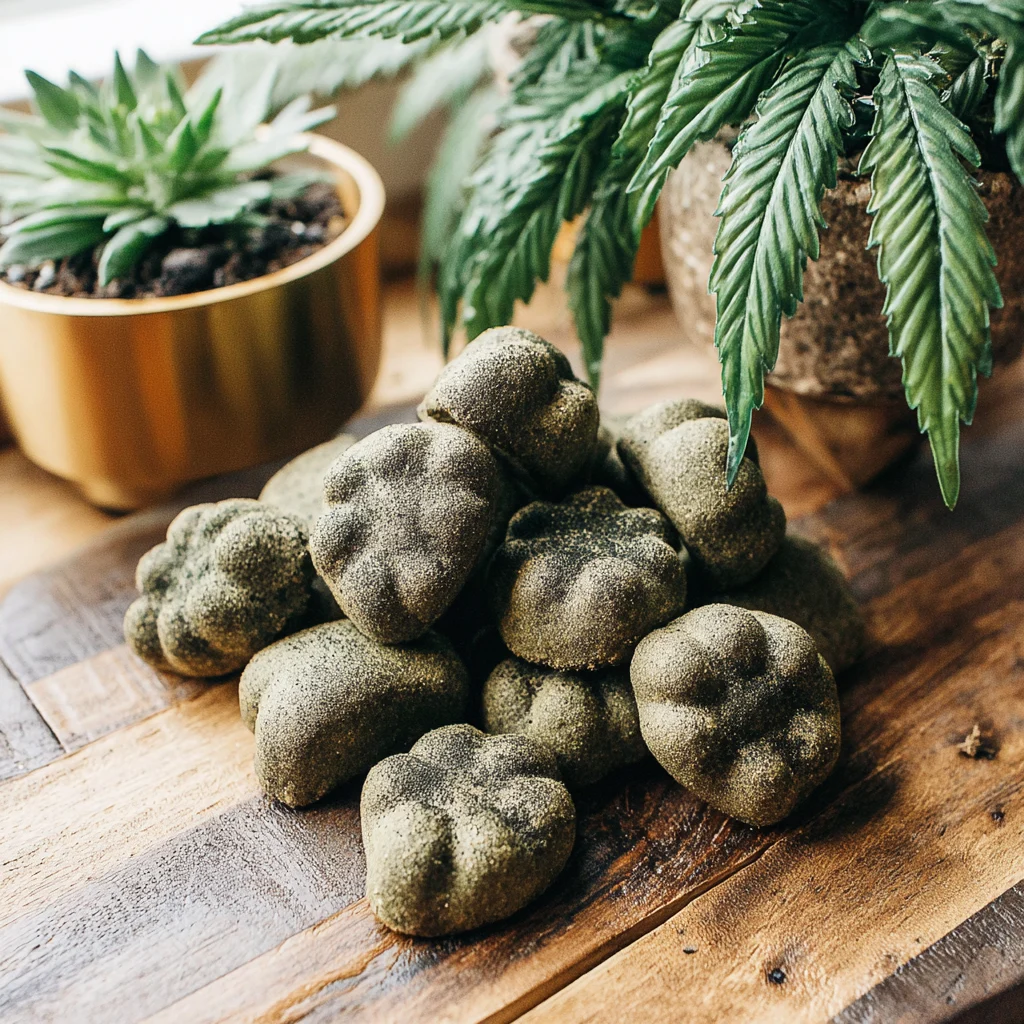
Greenies for Dogs
Ingredients
Method
- Select the appropriate size Greenies for your dog’s weight
- Give one appropriately-sized Greenies daily
- Supervise your dog during chewing sessions
- Remove any large remaining pieces to prevent choking
- Adjust your dog’s regular food portions to account for the additional calories
- Monitor for any signs of digestive upset or allergic reactions
- Discontinue use if any adverse reactions occur
Leave a Reply