
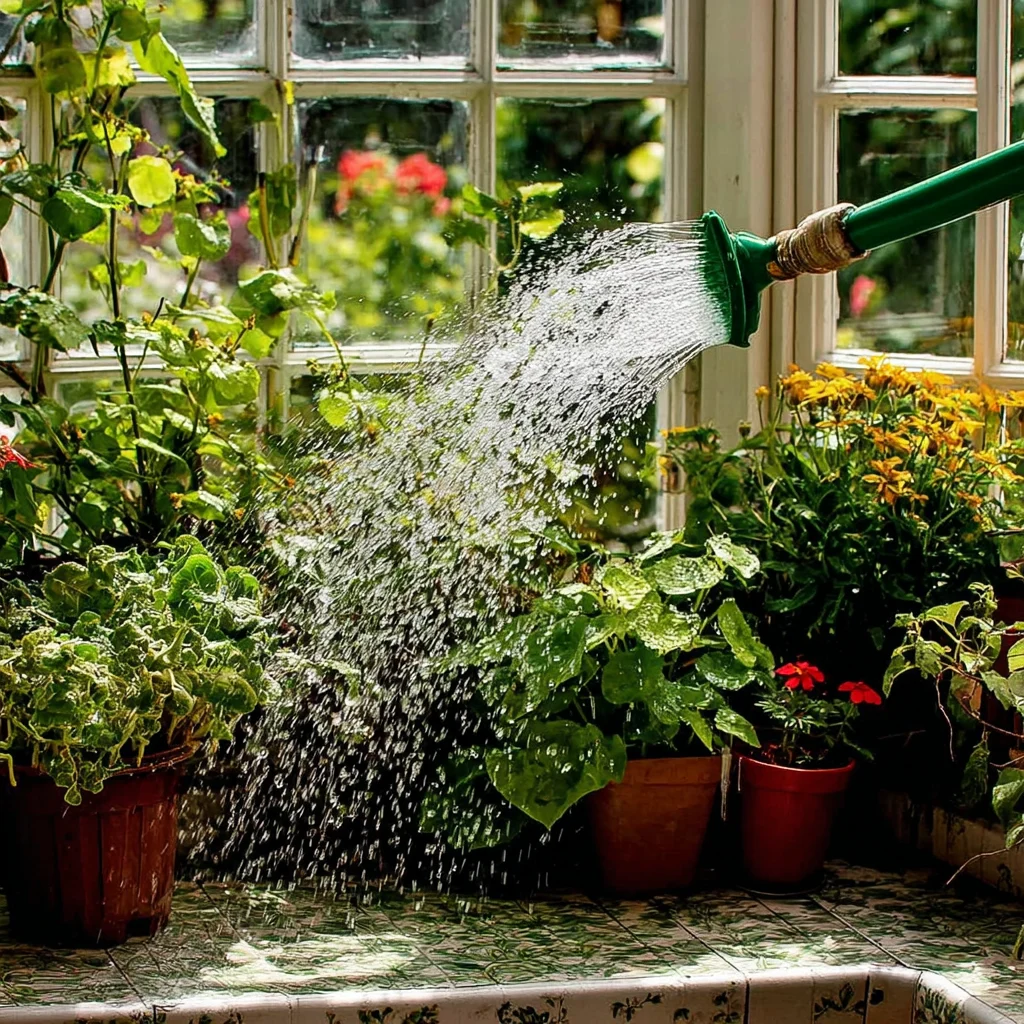
Summer afternoons with your dog splashing through the sprinkler seem perfect until you realize that garden hose water sitting in the sun can reach temperatures hot enough to scald your furry friend’s paws and mouth.
Understanding the Basics
Garden hose water becomes dangerously hot when hoses sit exposed to direct sunlight for extended periods. Dark-colored hoses absorb solar radiation throughout the day, creating a greenhouse effect that can heat water inside to temperatures exceeding 140°F. This scorching water poses serious burn risks to dogs who eagerly lap from sprinklers or step on wet surfaces.
The problem intensifies during peak summer months when ambient temperatures soar. Even on moderately warm days around 75°F, garden hose water can reach uncomfortable temperatures within just a few hours of sun exposure. Dogs have sensitive paw pads and tongues that can suffer burns from water temperatures that might only feel warm to human hands.
Metal hose nozzles and attachments amplify this heating effect, conducting additional heat that makes the first burst of water even more dangerous. Many pet parents remain unaware of this hidden hazard, assuming that water flowing from a hose maintains safe temperatures regardless of environmental conditions.
Step-by-Step Safety Guide
Testing garden hose water temperature should become an automatic habit before every outdoor play session with your dog.
1. Always Test First
Run water from your garden hose for at least 30 seconds before allowing your dog near any sprinklers or water features. Hold your hand directly in the water stream, feeling for any warmth that could indicate dangerous temperatures. Water should feel cool or neutral against your skin.
2. Use the Wrist Test Method
Apply the same temperature-checking technique used for baby bottles. Hold your inner wrist under the flowing water for several seconds. This sensitive skin area detects temperature variations more accurately than fingertips or palms, giving you a reliable safety assessment.
3. Purge Hot Water Completely
Allow water to run until it reaches a consistently cool temperature throughout the entire hose length. Longer hoses require more purging time, sometimes up to two minutes for 100-foot hoses. Watch your dog’s body language as they approach the water – any hesitation or quick retreat signals the water remains too warm.
4. Create Shade Solutions
Position hoses in shaded areas whenever possible to prevent excessive heating. Use hose reels, storage boxes, or simply drape hoses under decks, trees, or along the shaded sides of buildings. Light-colored or insulated hoses reflect more heat than standard dark green or black varieties.
5. Time Your Water Play
Schedule outdoor water activities during cooler morning or evening hours when garden hose water temperatures remain moderate. Avoid midday sessions between 11 AM and 4 PM when solar heating reaches peak intensity.
6. Monitor Paw Pads and Behavior
Check your dog’s paw pads after water play for any signs of redness, sensitivity, or unusual behavior like excessive licking. Dogs may not immediately show distress from minor burns, making post-activity inspections crucial for early detection of heat-related injuries.
Common Mistakes to Avoid
Many dog owners assume running water for just a few seconds clears hot garden hose water, but longer hoses retain heat throughout their entire length. Avoid relying solely on ground temperature as an indicator – even cool grass can be paired with scalding hose water. Never let dogs drink directly from hose nozzles without thorough temperature testing, and don’t forget that automatic sprinkler systems connected to sun-exposed hoses carry the same burn risks as manual watering.
Safety & Maintenance
Install hose storage solutions that keep your watering equipment shaded year-round. Consider investing in light-colored or insulated garden hoses that resist solar heating. Develop a consistent routine of temperature testing before every water activity, and teach children in your household to follow the same safety protocols. Regular equipment maintenance ensures proper water flow that helps clear heated water more efficiently.
Conclusion
Protecting your dog from garden hose water burns requires just a few seconds of temperature testing before each play session. Make this simple safety check part of your routine, and share your experiences with other pet parents to spread awareness about this common but preventable hazard.
FAQs
How hot can garden hose water actually get?
Garden hose water can reach temperatures between 120-150°F when hoses sit in direct sunlight, hot enough to cause serious burns to dogs’ sensitive paw pads and tongues.
What’s the safest way to cool down hot hose water quickly?
Run the water continuously for 1-3 minutes depending on hose length, allowing the heated water to purge completely before permitting your dog to play or drink.
Are certain types of hoses safer than others?
Light-colored, insulated, or drinking water-safe hoses resist solar heating better than standard dark rubber or vinyl hoses, maintaining cooler internal temperatures.
Can I tell if water is too hot just by looking at my dog’s reaction?
Dogs may not immediately react to moderately hot water, making manual temperature testing essential. Always check with your hand or wrist before allowing contact.
How long should I wait after moving a hose to shade before using it?
Allow at least 10-15 minutes for hoses to cool in shade, then test the water temperature manually before use.
What should I do if my dog gets burned by hot hose water?
Immediately flush the affected area with cool (not cold) water and contact your veterinarian for guidance. Monitor for signs of blistering, excessive licking, or limping that indicate serious injury requiring professional treatment.
For more safety guidelines and helpful recipe or guide resources, explore our comprehensive collection of dog care information. Connect with fellow pet parents and discover additional safety tips for creating the perfect backyard play environment for your furry family member.
Garden Hose Water Safety for Dogs
Ingredients
Method
- Always test first - Run water from garden hose for at least 30 seconds before allowing your dog near any sprinklers or water features.
- Use the wrist test method - Hold your inner wrist under the flowing water for several seconds to detect temperature variations more accurately than fingertips.
- Purge hot water completely - Allow water to run until it reaches consistently cool temperature throughout entire hose length (up to 2 minutes for 100-foot hoses).
- Create shade solutions - Position hoses in shaded areas using hose reels, storage boxes, or drape under decks, trees, or shaded sides of buildings.
- Time your water play - Schedule outdoor water activities during cooler morning or evening hours, avoiding midday sessions between 11 AM and 4 PM.
- Monitor paw pads and behavior - Check your dog's paw pads after water play for signs of redness, sensitivity, or unusual behavior like excessive licking.
Leave a Reply