Ingredients
Method
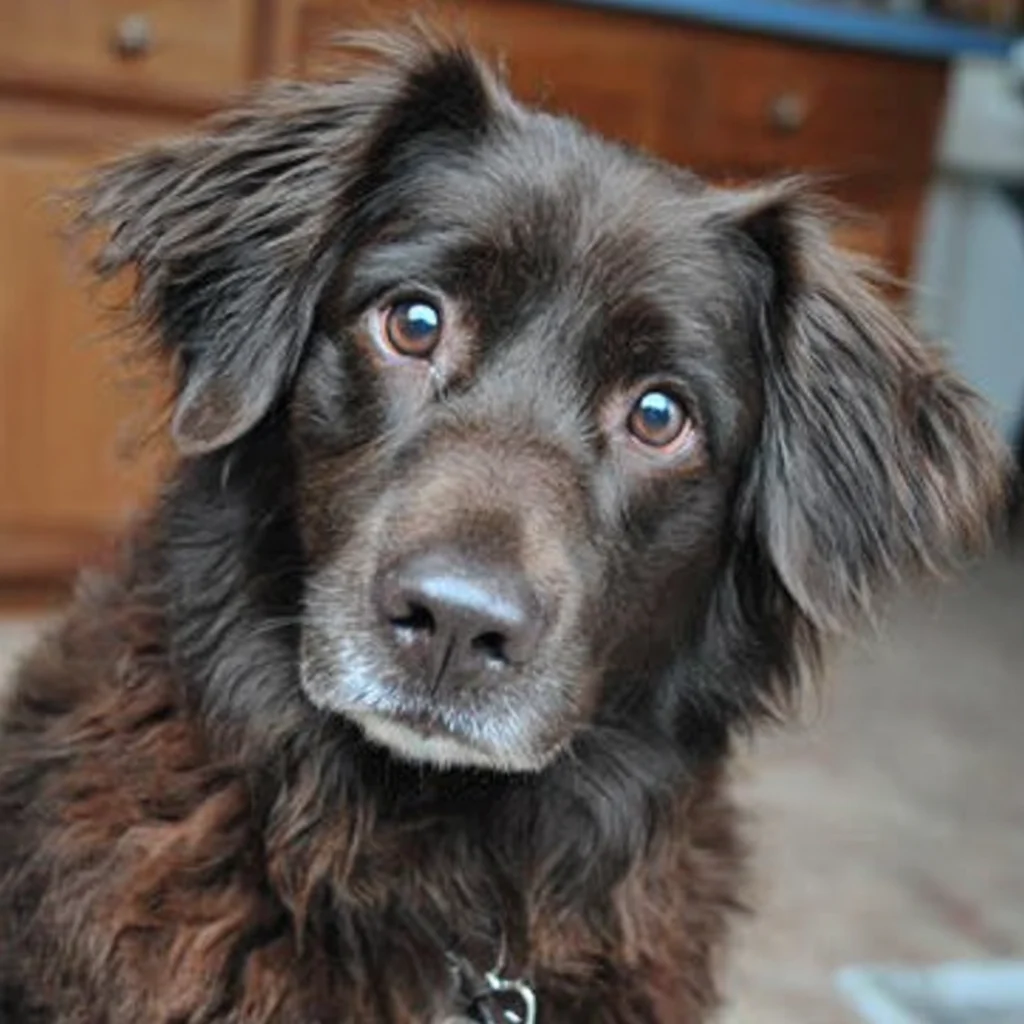
Recognizing Senior Dog Signs
- Monitor for decreased energy and exercise tolerance - shorter walks and longer naps
- Watch for joint stiffness and mobility changes - difficulty rising, hesitation jumping, slower gait
- Observe changes in sleep patterns - more daytime sleep, restless nights
- Track appetite and weight fluctuations - eating less or gaining weight from reduced activity
- Note increased drinking and urination frequency
- Check for dental problems and bad breath - tartar buildup, red gums
- Assess vision and hearing decline - cloudy eyes, bumping into furniture
- Examine coat and skin changes - gray hairs, dry brittle fur
- Monitor behavioral and cognitive shifts - confusion, disorientation
- Watch for digestive sensitivity to previously tolerated foods
- Notice temperature sensitivity - cold in mild weather or overheating quickly
- Observe increased anxiety or clinginess
- Schedule veterinary checkups every six months instead of annually
- Create detailed records of changes to share with veterinarian
- Make gradual transitions when changing exercise routines or diets
Notes
Dogs typically enter senior years between ages 7-10, with large breeds aging faster. Regular veterinary checkups should increase to every six months instead of annually. Create comfortable environment with orthopedic bedding, non-slip surfaces, and easily accessible food and water. Don't dismiss changes as 'just getting old' - many age-related conditions respond well to early intervention.