
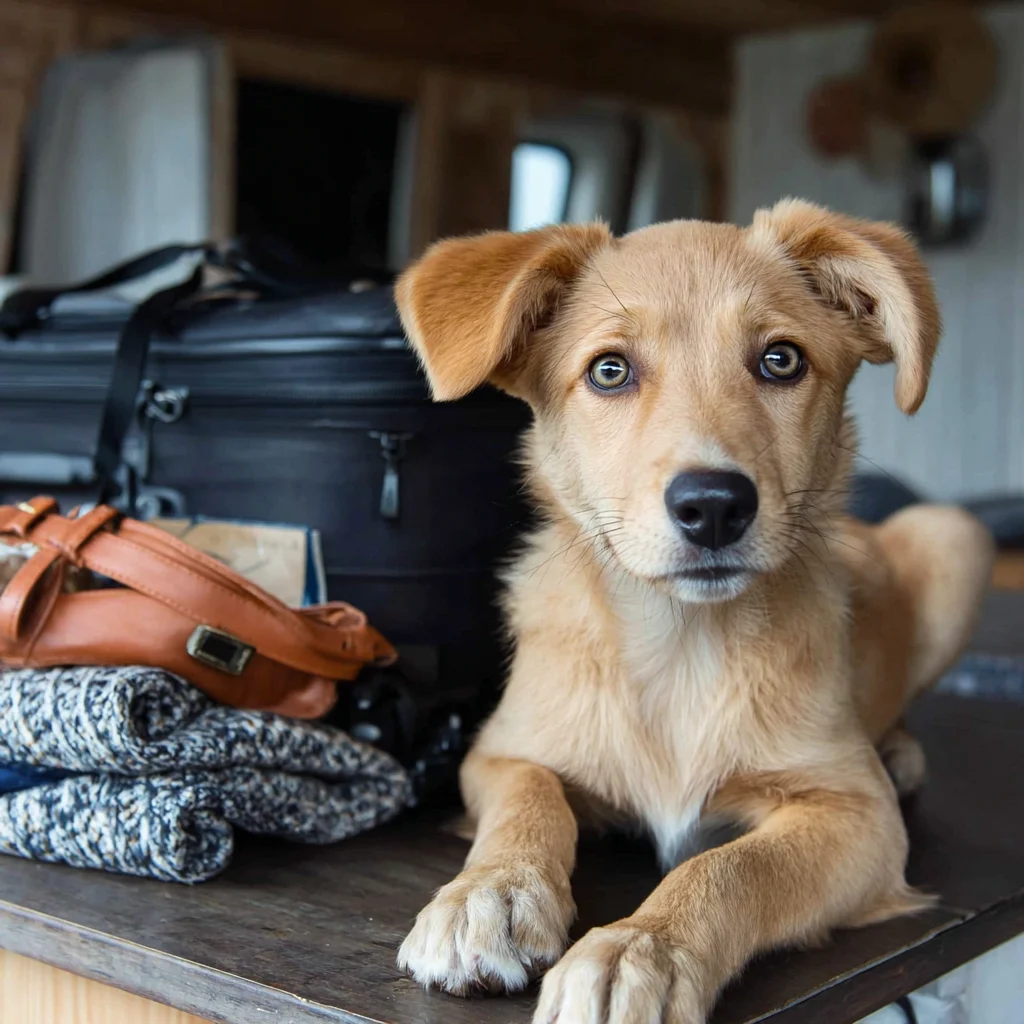
Dog road trip safety becomes crucial when your furry companion transforms from a calm home buddy into an anxious traveler. Every pet parent deserves to enjoy stress-free adventures with their four-legged family member, knowing their pup feels secure and comfortable throughout the journey.
Understanding the Basics
Dogs experience travel anxiety differently than humans. Their heightened senses pick up unfamiliar sounds, smells, and vibrations that can trigger stress responses. Motion sickness affects approximately 48% of dogs, particularly puppies whose inner ear structures are still developing. Unlike humans, dogs cannot anticipate destination arrival or understand why they’re confined in a moving vehicle.
The key factors affecting canine travel comfort include temperature regulation, spatial awareness, and routine disruption. Dogs rely heavily on familiar scents and consistent schedules. When these elements shift during travel, even well-adjusted pets may exhibit signs of distress such as excessive panting, drooling, whining, or attempts to escape their carrier.
Understanding your dog’s specific triggers helps create targeted solutions. Some dogs feel more secure when they can see their surroundings, while others prefer enclosed, den-like spaces. Recognizing these preferences before embarking on longer journeys prevents mid-trip complications and ensures safer travel for everyone involved.
Step-by-Step Safety Guide
Pre-Trip Preparation
Start conditioning your dog to car travel weeks before your planned trip. Begin with five-minute drives around the neighborhood, gradually increasing duration as your pup becomes comfortable. Pack familiar items like their favorite blanket or toy to maintain scent familiarity throughout the journey.
Create a travel checklist including vaccination records, medications, food, water bowls, waste bags, and a first-aid kit. Research pet-friendly stops along your route and identify emergency veterinary clinics in case unexpected health issues arise.
Securing Your Dog Properly
Never allow your dog to ride unrestrained. Use crash-tested harnesses, carrier crates, or vehicle barriers designed for your dog’s size and weight. Position carriers on the floor behind front seats rather than on seats where sudden stops could cause dangerous sliding.
For larger dogs, install a quality harness system that attaches to seat belt mechanisms. Ensure the harness fits snugly without restricting breathing or circulation. Test all restraint systems during short practice drives before longer trips.
Managing Temperature and Ventilation
Maintain interior temperatures between 68-72°F for optimal canine comfort. Use window shades to block direct sunlight while ensuring adequate air circulation. Never leave your dog unattended in a parked vehicle, even with windows cracked, as interior temperatures can become lethal within minutes.
Pack cooling mats for hot weather travel and warming blankets for cold climates. Monitor your dog for signs of overheating including excessive panting, thick drooling, or lethargy.
Feeding and Hydration Strategy
Feed your dog a light meal 3-4 hours before departure to prevent motion sickness while maintaining energy levels. Avoid feeding during the first hour of travel when stress levels typically peak. Offer small water amounts frequently rather than allowing unlimited access that could lead to accidents or increased anxiety from frequent stops.
Pack familiar food and treats from home, as dietary changes during travel can cause digestive upset. Consider this recipe or guide for homemade travel treats that settle nervous stomachs.
Creating Calm Energy
Maintain relaxed energy yourself, as dogs mirror human emotional states. Play soft classical music or white noise to mask startling road sounds. Speak in calm, reassuring tones when addressing your pet during the journey.
Take breaks every 2-3 hours for bathroom needs and brief exercise sessions. Choose rest stops away from heavy traffic where your dog can decompress safely on leash.
Safety and Maintenance
Regular equipment checks ensure continued protection throughout your travels. Inspect harnesses and carriers for wear, paying attention to buckles, straps, and locking mechanisms. Clean carriers thoroughly between trips to prevent odor buildup that might cause stress during future travels. Maintain updated identification tags with current contact information and consider microchipping as backup identification. Keep emergency contact numbers easily accessible, including your regular veterinarian and destination area animal hospitals.
Common Mistakes to Avoid
Rushing the conditioning process leads to increased travel anxiety and potential safety hazards. Many pet parents make the mistake of using human seat belts on dogs, which can cause serious injury during sudden stops. Overfeeding before travel commonly results in motion sickness and cleanup complications. Forgetting to secure loose items in the vehicle creates projectile hazards during emergency braking. Always double-check that windows are positioned to prevent your dog from jumping or falling out while still allowing safe ventilation.
Conclusion
Successful dog road trip safety combines proper preparation, quality equipment, and understanding your pet’s unique needs. With these proven strategies, you and your furry companion can create wonderful travel memories while staying safe and comfortable on every adventure together.
FAQs
How long can dogs safely travel in cars?
Most dogs can travel 8-10 hours daily with regular breaks every 2-3 hours for bathroom needs, water, and brief exercise.
What natural remedies help calm anxious travel dogs?
Lavender aromatherapy, calming music, and familiar scented items can reduce travel stress. Consult your veterinarian about anxiety supplements if needed.
Should puppies travel differently than adult dogs?
Puppies require more frequent stops, smaller water portions, and extra warmth. Avoid long trips until they complete vaccination series.
How do I prevent car sickness in dogs?
Feed light meals 3-4 hours before travel, ensure proper ventilation, and consider ginger treats or anti-motion sickness medications from your vet.
What’s the safest car position for dog carriers?
Place carriers on the floor behind front seats, secured with seat belts or bungee cords to prevent sliding during stops.
Can I give my dog human motion sickness medication?
Never give human medications without veterinary approval. Many human drugs are toxic to dogs. Consult your vet for safe alternatives and proper dosing.
For more travel tips and safety insights, explore additional resources to make every journey with your dog enjoyable and secure.
Dog Road Trip Safety Guide
Ingredients
Method
- Start conditioning your dog to car travel weeks before your planned trip with five-minute drives around the neighborhood, gradually increasing duration.
- Pack familiar items like favorite blanket or toy to maintain scent familiarity.
- Create a travel checklist including vaccination records, medications, food, water bowls, waste bags, and first-aid kit.
- Research pet-friendly stops along your route and identify emergency veterinary clinics.
- Use crash-tested harnesses, carrier crates, or vehicle barriers designed for your dog's size and weight.
- Position carriers on the floor behind front seats rather than on seats.
- For larger dogs, install a quality harness system that attaches to seat belt mechanisms.
- Ensure the harness fits snugly without restricting breathing or circulation.
- Test all restraint systems during short practice drives before longer trips.
- Maintain interior temperatures between 68-72°F for optimal canine comfort.
- Use window shades to block direct sunlight while ensuring adequate air circulation.
- Pack cooling mats for hot weather travel and warming blankets for cold climates.
- Monitor your dog for signs of overheating including excessive panting, thick drooling, or lethargy.
- Feed your dog a light meal 3-4 hours before departure to prevent motion sickness.
- Avoid feeding during the first hour of travel when stress levels typically peak.
- Offer small water amounts frequently rather than allowing unlimited access.
- Pack familiar food and treats from home to avoid dietary changes during travel.
- Maintain relaxed energy yourself, as dogs mirror human emotional states.
- Play soft classical music or white noise to mask startling road sounds.
- Speak in calm, reassuring tones when addressing your pet during the journey.
- Take breaks every 2-3 hours for bathroom needs and brief exercise sessions.
- Choose rest stops away from heavy traffic where your dog can decompress safely on leash.
Leave a Reply