
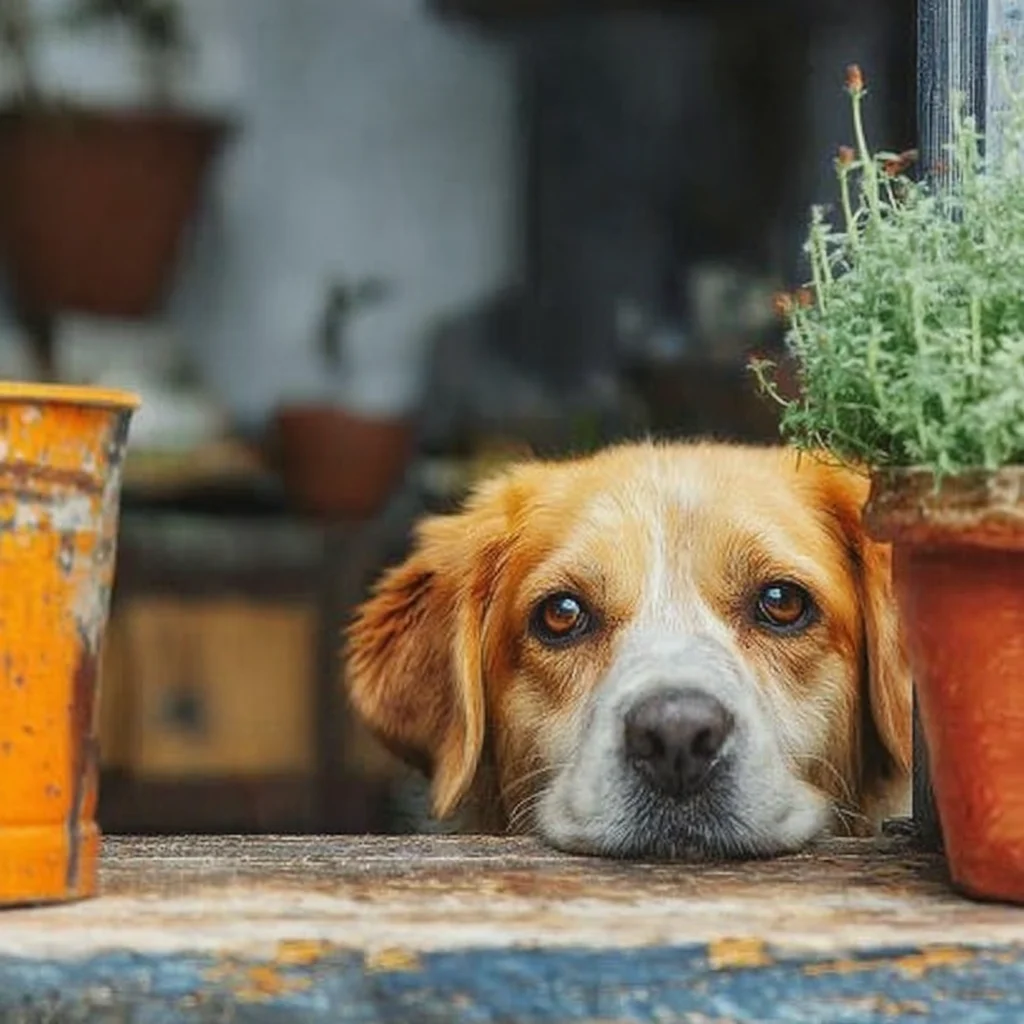
When hurricane warnings flash across your screen, your mind races with preparations – but your dog depends entirely on you for their safety. These hurricane safety tips for dog parents can mean the difference between panic and preparedness when severe weather strikes your area.
Understanding the Basics
Dogs experience extreme stress during hurricanes due to dramatic changes in barometric pressure, loud noises, and disrupted routines. Unlike humans, they cannot understand weather forecasts or evacuation notices, making them completely dependent on their owners’ preparedness. Hurricane-related emergencies often separate pets from families, with thousands ending up in overcrowded shelters each storm season. The key to protecting your furry family member lies in advance planning, proper identification, and maintaining calm leadership during the chaos. Dogs pick up on their owner’s anxiety levels, so your preparedness directly impacts their emotional state during the storm.
Essential Hurricane Preparedness Tips
1. Create a Comprehensive Emergency Kit
Pack at least seven days’ worth of food, medications, and fresh water for your dog. Include bowls, leashes, waste bags, and comfort items like favorite toys or blankets. Store everything in waterproof containers and keep the kit easily accessible.
2. Update Identification Immediately
Ensure your dog wears a collar with current contact information including out-of-state phone numbers. Microchip registration should reflect your most recent details, as traditional ID tags can fall off during emergencies.
3. Research Pet-Friendly Shelters Early
Many evacuation shelters don’t accept pets, so locate pet-friendly accommodations before hurricane season begins. Contact hotels, family members, or boarding facilities outside the evacuation zone to establish backup plans.
4. Practice Evacuation Drills
Familiarize your dog with their travel carrier and practice quick departures. Load your car with emergency supplies during calm weather, timing how long the process takes with an anxious or resistant pet.
5. Photograph Important Documents
Take clear photos of vaccination records, registration papers, and medical information. Store these digitally in cloud storage and keep physical copies in waterproof bags within your emergency kit.
6. Establish Safe Room Protocols
If sheltering in place, designate an interior room away from windows. Stock it with your dog’s emergency supplies and practice having them stay calm in this space during thunderstorms.
7. Coordinate with Neighbors
Exchange contact information with trusted neighbors who can assist with pet evacuation if you’re not home when warnings are issued. Provide them with keys and basic care instructions.
8. Plan Multiple Evacuation Routes
Hurricane evacuations create massive traffic delays, so map several routes to your designated safe location. Consider which recipe or guide you’ll need for keeping your dog fed during extended travel times.
9. Prepare for Extended Power Outages
Hurricanes often cause week-long blackouts, affecting refrigerated medications and electric can openers. Store manual backup tools and shelf-stable alternatives for temperature-sensitive items.
10. Maintain Calm Leadership
Your emotional state directly influences your dog’s stress levels. Practice deep breathing and confident commands during storm preparation, as dogs mirror their owner’s energy.
11. Secure Outdoor Areas
Bring in dog houses, toys, and feeding stations that could become dangerous projectiles. Clear yards of items that might injure your pet if they escape during the storm.
12. Establish Communication Plans
Designate an out-of-state contact person to coordinate with family members. Program emergency numbers into multiple phones and write them on your dog’s emergency kit.
Safety and Maintenance
Never leave your dog outside or chained during hurricane conditions, as they can become disoriented and injured by flying debris. After the storm passes, inspect your property for hazards like downed power lines, contaminated water, or sharp objects before allowing your dog outside. Maintain your emergency kit year-round, rotating food and medications before expiration dates.

Common Mistakes to Avoid
Waiting until the last minute to evacuate often results in transportation refusals, as many services stop operating once winds reach certain speeds. Forgetting to pack familiar comfort items increases your dog’s anxiety significantly during an already stressful situation. Assuming your dog will remain calm without prior preparation leads to dangerous escape attempts during the storm. Neglecting to inform evacuation destinations about your pet can result in turned-away families seeking shelter.
Conclusion
Hurricane preparedness for dog parents requires advance planning and consistent practice throughout the year. By implementing these safety strategies, you ensure your furry family member stays protected when severe weather threatens your community.
FAQs
How much food should I store for my dog during hurricane season?
Store at least seven days’ worth of your dog’s regular food in waterproof containers, plus extra portions in case of extended evacuation periods.
Can I give my dog anxiety medication during hurricanes?
Consult your veterinarian before hurricane season about anti-anxiety options, as some medications require gradual introduction and shouldn’t be started during emergencies.
What if my dog refuses to enter their carrier during evacuation?
Practice carrier training regularly throughout the year using positive reinforcement and treats to create positive associations with the space.
Should I evacuate if my dog is elderly or sick?
Absolutely. Elderly and sick dogs face greater risks from stress, temperature changes, and limited access to medical care during hurricanes.
How do I find my dog if we become separated?
Contact local animal shelters, rescue organizations, and post on social media with recent photos. Check with emergency management offices for pet reunification centers.
Where can I find more hurricane preparedness resources?
Visit emergency management websites and check these tips for additional safety information and seasonal preparation guides.
Leave a Reply