
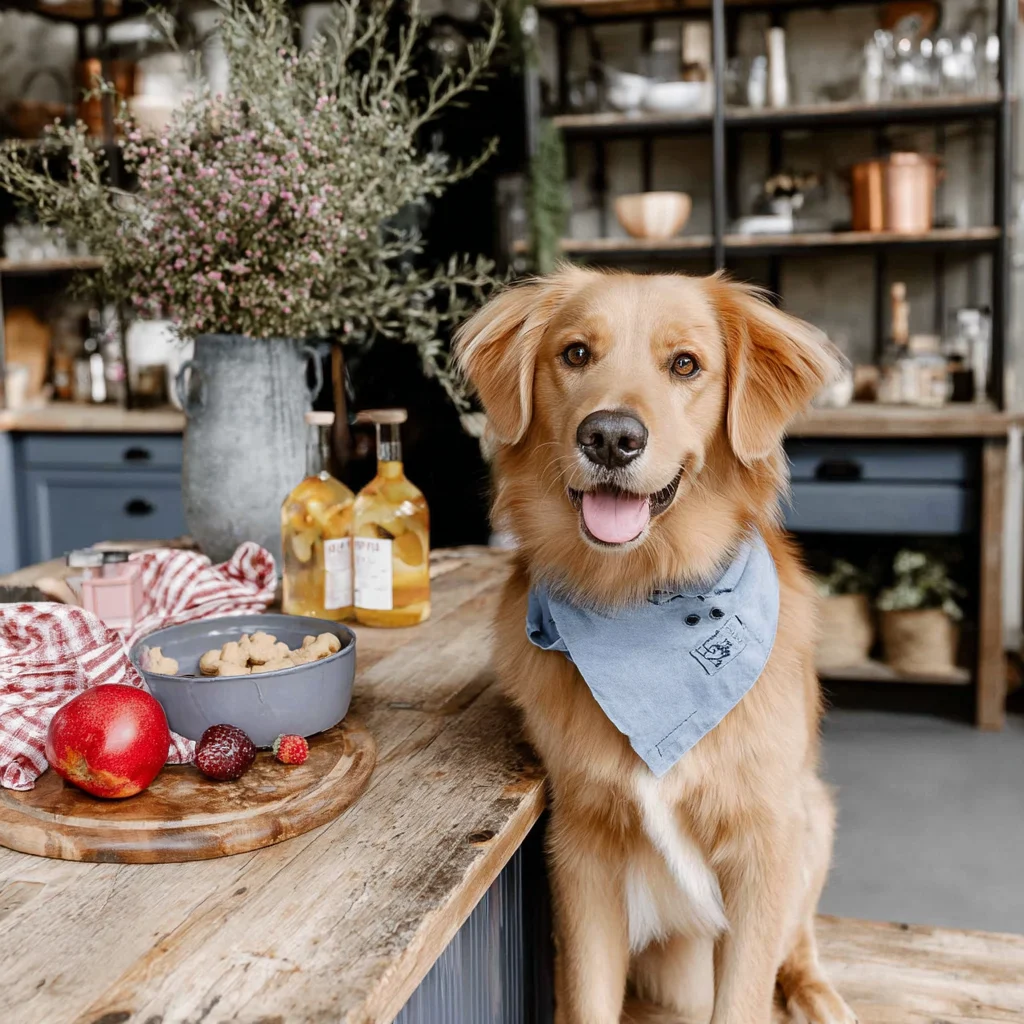
Summer barbecues bring families together, but taking your dog to a BBQ requires careful planning. With sizzling meats, excited guests, and unfamiliar environments, your furry friend faces unique challenges that smart preparation can easily overcome.
Understanding the BBQ Environment
BBQ gatherings present multiple stressors for dogs that owners often overlook. The combination of smoke, loud conversations, children running around, and tempting food aromas creates sensory overload. Dogs may feel anxious in crowded spaces, especially when surrounded by unfamiliar people and pets. Hot grills, propane tanks, and scattered food create safety hazards, while the excitement can trigger unwanted behaviors like begging, jumping, or even food aggression. Understanding these challenges helps you prepare your dog for a positive experience while keeping everyone safe and comfortable.
Essential Tips for BBQ Success
1. Prepare Your Dog Mentally and Physically
Exercise your dog thoroughly before the event. A tired dog is typically calmer and more manageable around distractions. Practice basic commands like “sit,” “stay,” and “leave it” in the days leading up to the BBQ, as these will be crucial for managing your dog around food and guests.
2. Pack a Survival Kit
Bring your dog’s favorite blanket, toys, and portable water bowl. Pack enough fresh water for the entire event, as dogs can become dehydrated quickly in summer heat. Include waste bags, a first aid kit, and any medications your dog needs.
3. Create a Safe Zone
Designate a quiet area where your dog can retreat when overwhelmed. This might be inside the host’s house, in your car with air conditioning, or a shaded corner of the yard away from the main activity.
4. Establish Food Boundaries
Inform all guests about your dog’s dietary restrictions before they arrive. Many BBQ foods like onions, garlic, chocolate, and cooked bones are toxic to dogs. Consider bringing a recipe or guide for dog-safe treats that guests can offer instead.
5. Monitor Temperature and Hydration
Dogs overheat quickly, especially breeds with thick coats or flat faces. Watch for excessive panting, drooling, or lethargy. Provide constant access to fresh water and shade, and consider bringing a cooling mat for your dog to lie on.
6. Manage Guest Interactions
Brief guests on how to interact with your dog appropriately. Some dogs become overwhelmed by too much attention, while others may guard their food or toys around strangers. Establish clear boundaries about feeding and petting.
7. Keep Your Dog Leashed or Contained
Even well-behaved dogs can bolt when startled by loud noises or attracted to interesting smells. A leash or portable fence ensures your dog stays safe and doesn’t wander into dangerous areas like the grill or neighboring yards.
8. Plan for Emergencies
Research the nearest emergency veterinary clinic before attending the BBQ. Know the signs of heat exhaustion, food poisoning, and other common BBQ-related emergencies.
Safety and Long-Term Success
Regular exposure to social situations helps dogs become more confident and well-behaved at future gatherings. Start with smaller, quieter events before attempting large BBQs. Always trust your instincts – if your dog seems stressed or overwhelmed, it’s perfectly acceptable to leave early. Positive experiences build confidence, while negative ones can create lasting anxiety around social situations.
Common Mistakes to Avoid
Many owners underestimate how overwhelming BBQs can be for dogs and arrive unprepared. Failing to bring enough water or forgetting to establish food boundaries with guests leads to dangerous situations. Don’t assume your dog will behave the same way in an unfamiliar environment, and never leave your dog unattended around grills, pools, or busy areas where accidents can happen quickly.
Conclusion
Taking your dog to a BBQ can be enjoyable with proper preparation and realistic expectations. Focus on your dog’s safety and comfort above all else, and don’t hesitate to leave if the situation becomes stressful.
Frequently Asked Questions
Can I give my dog BBQ meat?
Plain, unseasoned, cooked chicken or beef in small amounts is generally safe, but avoid anything with spices, marinades, or bones.
How long should my dog stay at a BBQ?
Start with shorter visits of 1-2 hours and gradually increase based on your dog’s comfort level and behavior.
What if my dog gets aggressive around food?
Remove your dog from the situation immediately and redirect to a quiet area. Consider leaving if the behavior continues.
Should I bring my puppy to a BBQ?
Only if your puppy is fully vaccinated and has basic training. Very young puppies may find large gatherings too overwhelming.
What are signs my dog is overheating?
Excessive panting, drooling, lethargy, vomiting, or difficulty breathing require immediate attention and cooling measures.
How do I introduce my dog to new people at the BBQ?
Allow your dog to approach gradually on their own terms. For more helpful strategies, check out these tips for socializing anxious dogs in group settings.
Leave a Reply