
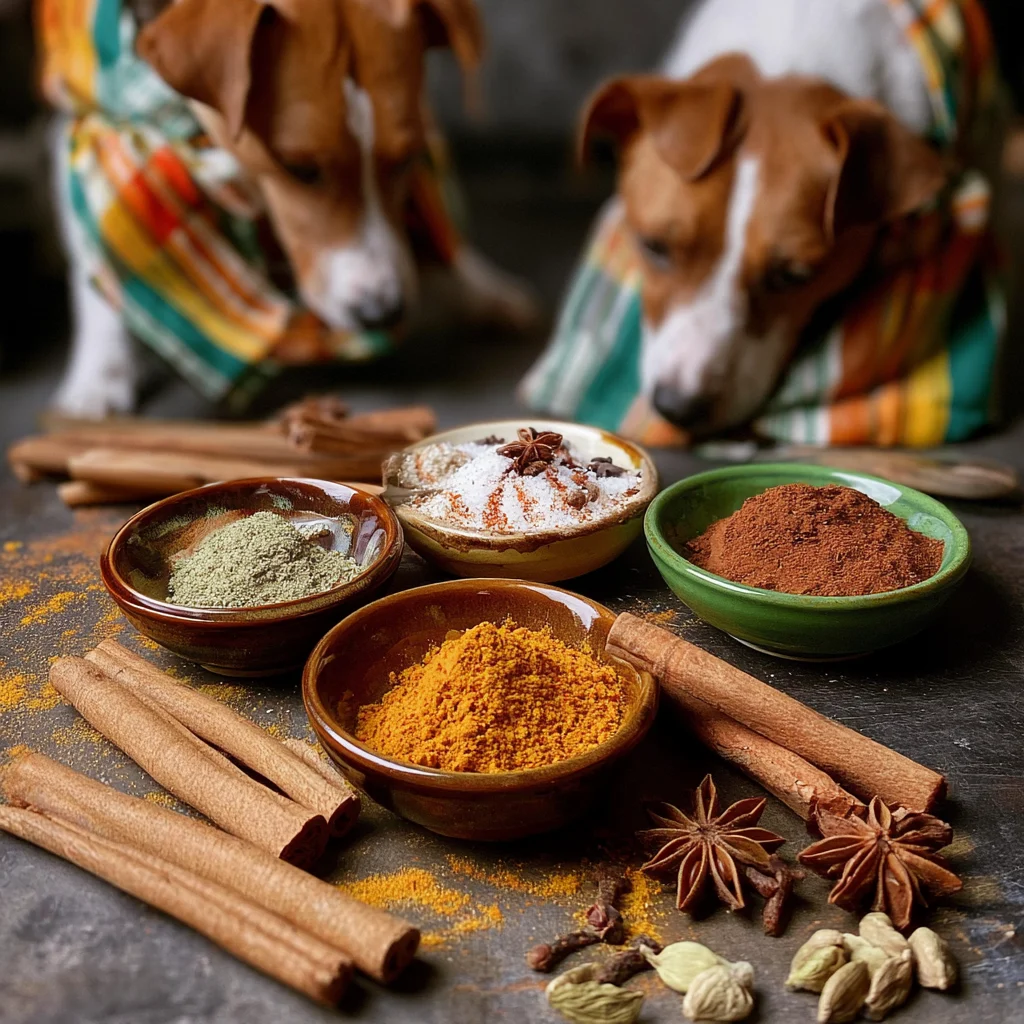
Fall brings cozy aromas and seasonal flavors into our kitchens, but many pet parents wonder about fall spices for dogs. While some autumn spices can provide health benefits for your furry friend, others pose serious risks that every dog owner should understand.
Understanding the Basics
Dogs process spices differently than humans due to their unique digestive systems and smaller body size. What seems like a tiny pinch of seasoning to us can have significant effects on our canine companions. Some fall spices contain compounds that are naturally toxic to dogs, while others offer antioxidants and anti-inflammatory properties when used appropriately.
The key lies in understanding which seasonal spices are safe, which ones to avoid completely, and how to use dog-friendly spices in proper quantities. Many traditional fall spices like nutmeg and allspice contain compounds that can cause neurological symptoms, while others like cinnamon can be beneficial when used sparingly.
Your dog’s size, age, and health status also play crucial roles in determining spice tolerance. Smaller dogs are more susceptible to spice toxicity, and senior dogs or those with existing health conditions may have heightened sensitivities to certain compounds found in seasonal seasonings.
Safe and Dangerous Fall Spices: A Complete Guide
Navigating autumn spices for your dog requires careful consideration of each ingredient. Here’s your comprehensive breakdown of seven essential fall spices every pet owner encounters.
1. Cinnamon – Generally Safe in Small Amounts
True cinnamon (Ceylon cinnamon) offers antioxidant benefits and can help regulate blood sugar. Sprinkle tiny amounts on dog treats or mix a pinch into homemade recipes. Avoid cassia cinnamon, which contains higher coumarin levels that can cause liver issues with regular consumption.
2. Nutmeg – Completely Toxic
Never give nutmeg to dogs under any circumstances. This popular fall spice contains myristicin, which causes hallucinations, increased heart rate, disorientation, and seizures. Even small amounts from baked goods can trigger symptoms within hours of consumption.
3. Allspice – Dangerous for Dogs
Despite its appealing aroma, allspice contains eugenol, which can cause digestive upset, difficulty breathing, and nervous system depression in dogs. Keep all allspice-containing foods away from curious pups, especially during holiday baking sessions.
4. Cloves – Toxic in Any Amount
Whole cloves and ground cloves contain eugenol in concentrated amounts, making them toxic to dogs. Symptoms include vomiting, diarrhea, difficulty breathing, and liver damage. Store cloves securely and clean up any spills immediately.
5. Ginger – Safe and Beneficial
Fresh ginger or small amounts of ground ginger can soothe upset stomachs and reduce inflammation. Start with tiny quantities – about 1/4 teaspoon for larger dogs or a pinch for smaller breeds. Many dogs enjoy ginger’s warming properties during cooler months.
6. Cardamom – Generally Safe
This aromatic spice is typically safe for dogs in minimal amounts. Cardamom contains antioxidants and can freshen breath naturally. Use sparingly as a flavoring in homemade dog treats, but avoid pre-made foods containing multiple spices.
7. Star Anise – Potentially Harmful
While not immediately toxic like nutmeg, star anise can cause digestive upset and nervous system effects in dogs. The confusion between star anise and toxic Japanese star anise makes this spice risky for pet parents to use safely.
Common Mistakes to Avoid
Many pet owners accidentally expose dogs to dangerous spices through holiday baking scraps or dropped ingredients. Always sweep cooking areas thoroughly and store spice containers securely. Another frequent error is assuming that “natural” means safe – many toxic compounds occur naturally in plants. Never give your dog pumpkin pie spice blends, which typically contain multiple harmful ingredients. Finally, avoid using essential oils derived from spices, as these concentrated forms can cause severe reactions even through skin contact or inhalation.
Safety and Maintenance
When introducing any new spice to your dog’s diet, start with microscopic amounts and monitor for reactions over 24-48 hours. Keep activated charcoal and your veterinarian’s contact information readily available during fall baking seasons. Store all spices in dog-proof containers and educate family members about which seasonings pose risks. Consider creating a recipe or guide list of dog-safe fall treats to satisfy your pup’s curiosity about seasonal flavors safely.
Conclusion
Understanding safe fall spices for dogs protects your pet while allowing them to enjoy seasonal flavors. Focus on dog-safe options like cinnamon and ginger while completely avoiding toxic spices like nutmeg and cloves. Share your dog’s favorite fall flavors with other pet parents!
FAQs
Can dogs eat pumpkin pie spice? No, pumpkin pie spice typically contains nutmeg, allspice, and cloves, which are all toxic to dogs.
How much cinnamon is safe for dogs? Use only tiny pinches – about 1/8 teaspoon for large dogs, less for smaller breeds, and only occasionally.
What should I do if my dog ate nutmeg? Contact your veterinarian immediately or call pet poison control. Nutmeg toxicity requires professional treatment.
Are there dog-safe alternatives to fall spices? Yes, try small amounts of turmeric, fresh herbs like parsley, or plain pumpkin puree for fall flavors.
Can I give my dog gingerbread cookies? No, gingerbread contains multiple toxic spices and sugar. Make dog-specific treats with safe ingredients instead.
Where can I find more dog-safe recipes? Check reliable pet nutrition resources and follow experienced pet food bloggers for additional tips and safe seasonal recipes.
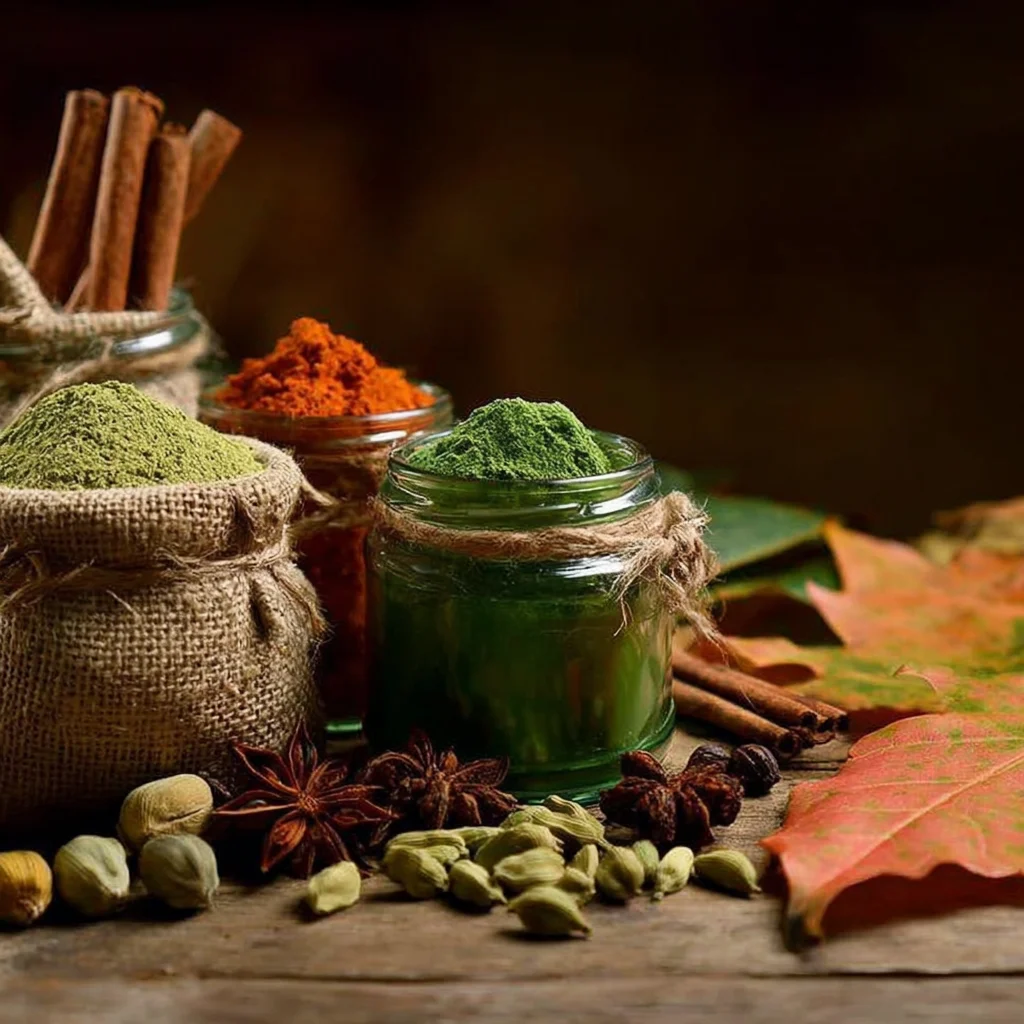
Fall Spices for Dogs Safety Guide
Ingredients
Method
- For cinnamon: Use only tiny pinches of Ceylon cinnamon – about 1/8 teaspoon for large dogs, less for smaller breeds, and only occasionally. Avoid cassia cinnamon which contains higher coumarin levels.
- For ginger: Start with tiny quantities – about 1/4 teaspoon for larger dogs or a pinch for smaller breeds. Fresh ginger or small amounts of ground ginger can soothe upset stomachs.
- For cardamom: Use sparingly as a flavoring in homemade dog treats, but avoid pre-made foods containing multiple spices.
- Never give dogs: nutmeg (contains toxic myristicin), allspice (contains eugenol), cloves (toxic eugenol), or star anise (can cause digestive and nervous system effects).
- Always sweep cooking areas thoroughly after using spices and store spice containers securely away from dogs.
- Monitor your dog for 24-48 hours after introducing any new spice, watching for vomiting, diarrhea, difficulty breathing, or behavioral changes.
Leave a Reply