Ingredients
Method
Safe Usage Guidelines
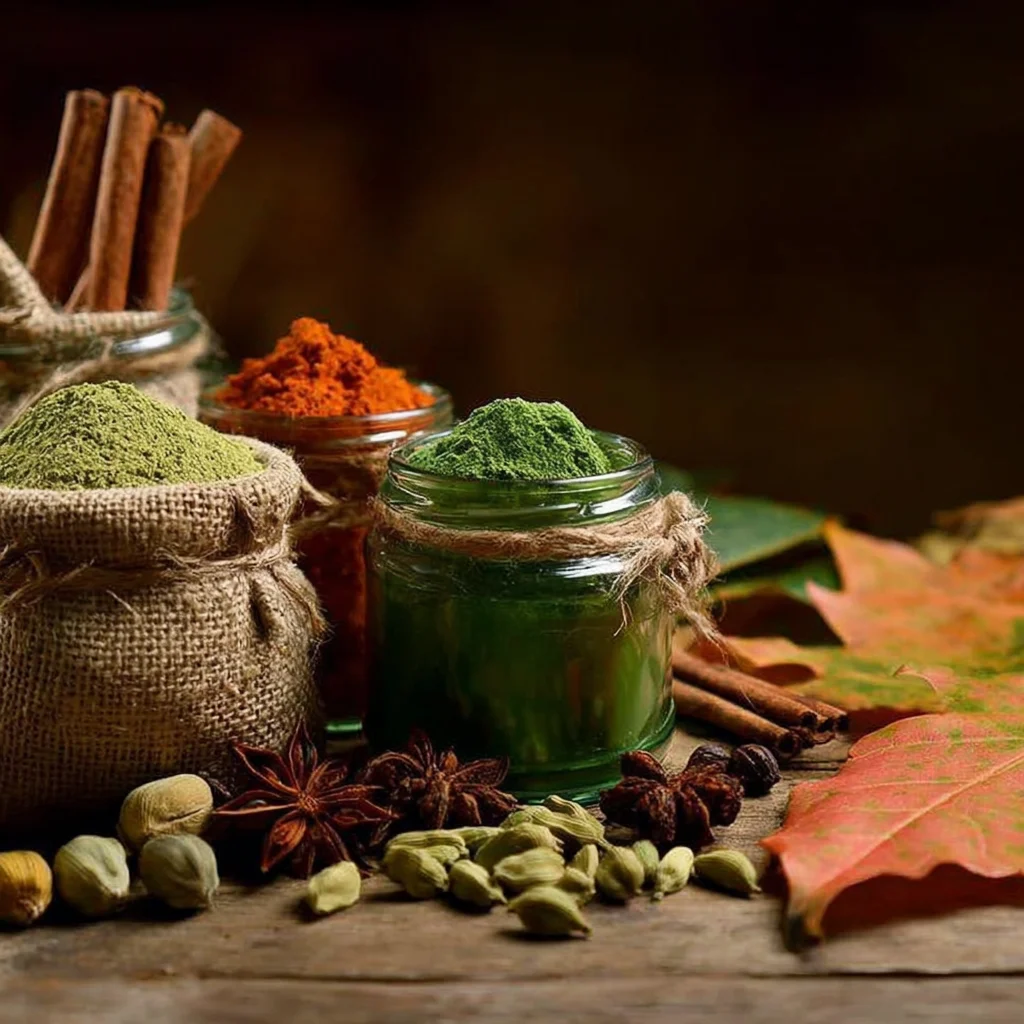
- For cinnamon: Use only tiny pinches of Ceylon cinnamon - about 1/8 teaspoon for large dogs, less for smaller breeds, and only occasionally. Avoid cassia cinnamon which contains higher coumarin levels.
- For ginger: Start with tiny quantities - about 1/4 teaspoon for larger dogs or a pinch for smaller breeds. Fresh ginger or small amounts of ground ginger can soothe upset stomachs.
- For cardamom: Use sparingly as a flavoring in homemade dog treats, but avoid pre-made foods containing multiple spices.
- Never give dogs: nutmeg (contains toxic myristicin), allspice (contains eugenol), cloves (toxic eugenol), or star anise (can cause digestive and nervous system effects).
- Always sweep cooking areas thoroughly after using spices and store spice containers securely away from dogs.
- Monitor your dog for 24-48 hours after introducing any new spice, watching for vomiting, diarrhea, difficulty breathing, or behavioral changes.
Notes
When introducing any new spice to your dog's diet, start with microscopic amounts and monitor for reactions over 24-48 hours. Keep activated charcoal and your veterinarian's contact information readily available during fall baking seasons. Store all spices in dog-proof containers. Dogs process spices differently than humans due to their unique digestive systems and smaller body size. Smaller dogs are more susceptible to spice toxicity, and senior dogs or those with existing health conditions may have heightened sensitivities.