
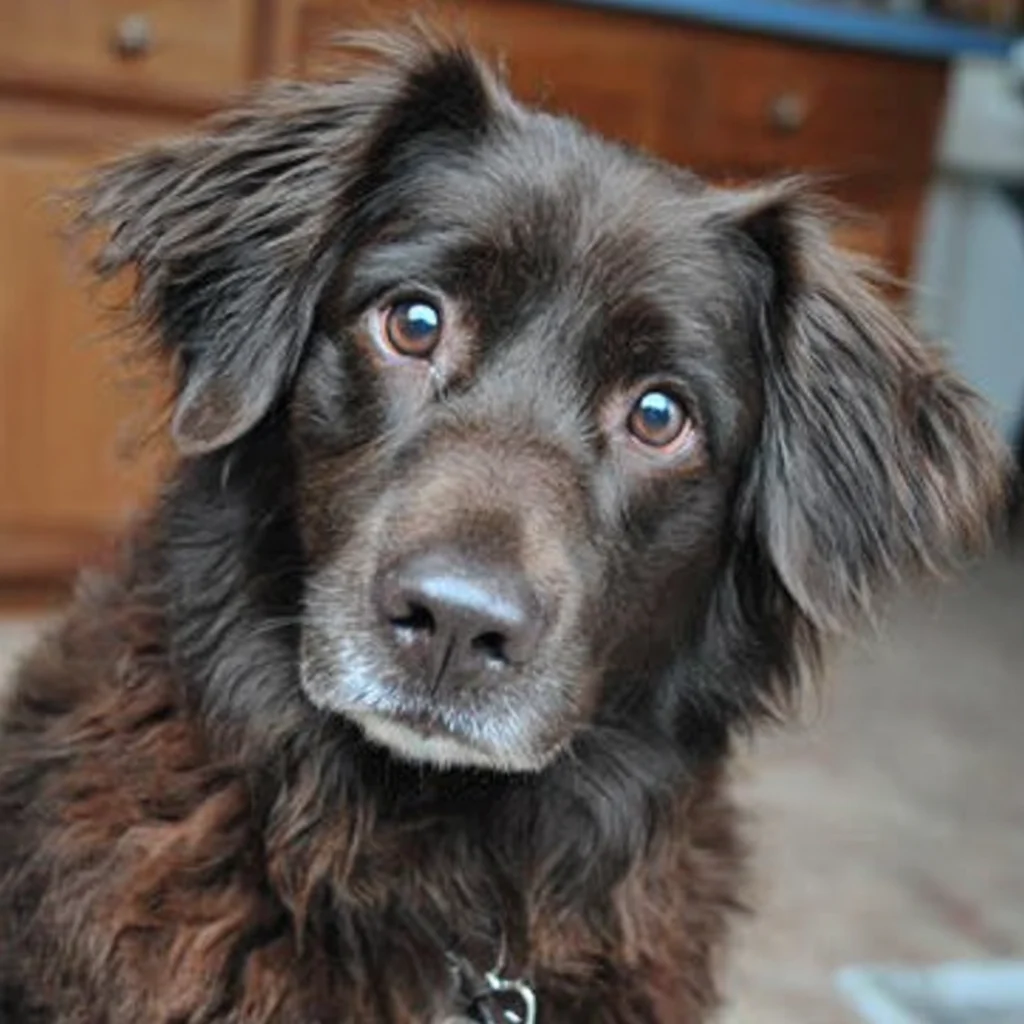
Recognizing senior dog signs early can be the difference between comfortable aging and unnecessary suffering for your beloved companion. As dogs mature, subtle changes in behavior, appearance, and physical abilities often signal the transition into their golden years, yet many pet parents miss these important indicators.
Understanding the Basics
Dogs typically enter their senior years between ages 7-10, depending on their size and breed. Large breeds age faster than smaller ones, with Great Danes considered seniors at 6, while Chihuahuas might not show aging signs until 10 or older. Understanding why these changes occur helps you provide better care during this crucial life stage.
The aging process affects every body system. Joint cartilage wears down, causing stiffness and discomfort. Organ function gradually declines, affecting everything from kidney efficiency to heart strength. Brain chemistry changes can alter behavior and cognitive function, while sensory organs like eyes and ears lose acuity over time.
These physiological changes aren’t diseases themselves but natural progressions that make your dog more susceptible to age-related conditions. Early recognition allows for proactive management through diet modifications, exercise adjustments, and veterinary interventions that can significantly improve quality of life.
Top 12 Senior Dog Signs Every Owner Must Recognize
1. Decreased Energy and Exercise Tolerance
Your once-energetic companion now prefers shorter walks and longer naps. They might lag behind during regular routes or seek shade and rest more frequently during outdoor activities.
2. Joint Stiffness and Mobility Changes
Notice difficulty rising from lying down, hesitation before jumping onto furniture, or a slower, more careful gait. Morning stiffness that improves with gentle movement is particularly common.
3. Changes in Sleep Patterns
Senior dogs often sleep more during the day but experience restless nights. They might pace, pant, or seem disoriented in darkness, indicating possible cognitive changes or discomfort.
4. Appetite and Weight Fluctuations
Some seniors eat less due to decreased smell or dental issues, while others gain weight from reduced activity. Both scenarios require attention to maintain optimal body condition.
5. Increased Drinking and Urination
More frequent water bowl visits and potty breaks can indicate kidney changes, diabetes, or other metabolic conditions common in older dogs.
6. Dental Problems and Bad Breath
Yellow or brown tartar buildup, red gums, loose teeth, or persistent bad breath signal dental disease, which affects most senior dogs and can impact overall health.
7. Vision and Hearing Decline
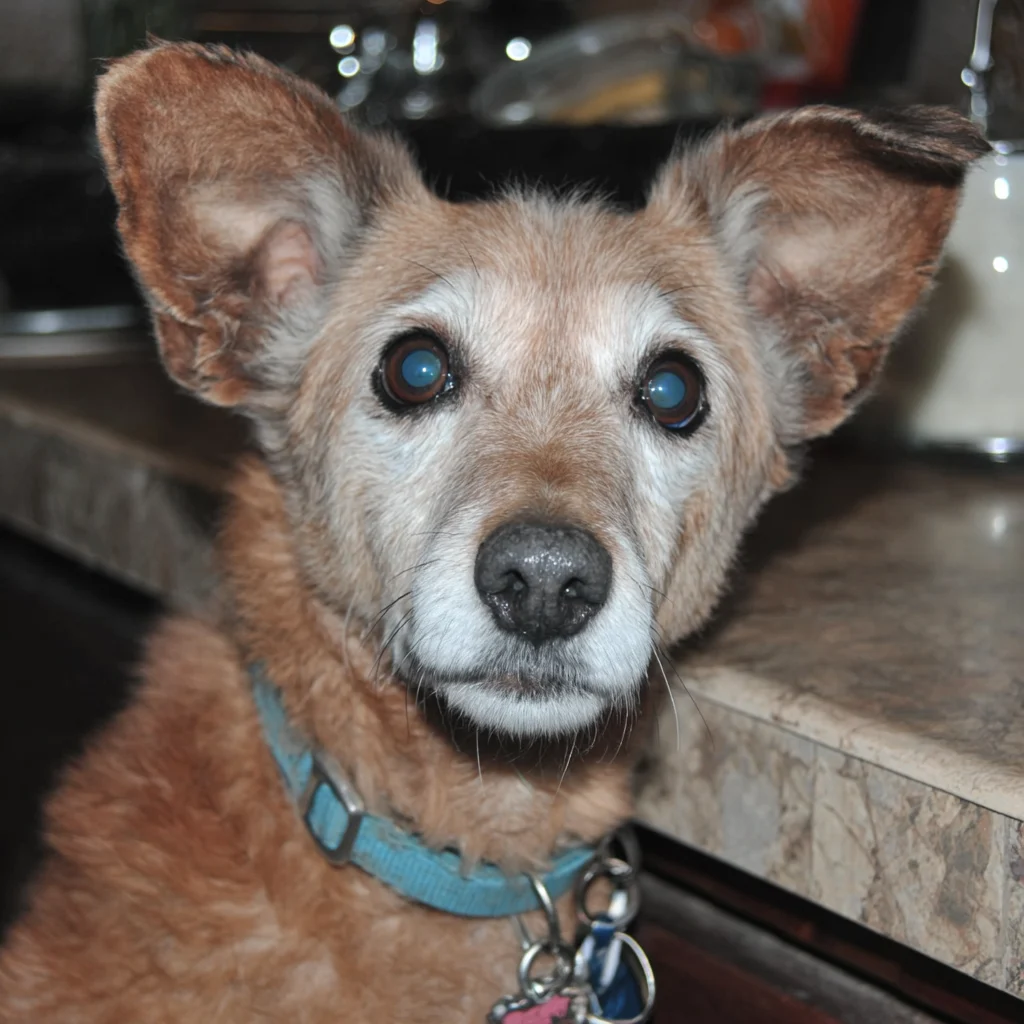
Cloudy eyes, bumping into furniture, difficulty finding toys, or failing to respond to verbal commands might indicate sensory loss requiring environmental adjustments.
8. Coat and Skin Changes
Gray hairs around the muzzle and face are normal, but dry, brittle fur, excessive shedding, or skin growths deserve veterinary evaluation.
9. Behavioral and Cognitive Shifts
Confusion, disorientation, changes in social interaction, or altered response to familiar commands might suggest cognitive dysfunction syndrome, similar to dementia in humans.
10. Digestive Sensitivity
Previously tolerated foods might now cause upset stomachs, requiring gentler nutrition approaches and possibly switching to senior-formulated diets.
11. Temperature Sensitivity
Older dogs struggle regulating body temperature, seeming cold in mild weather or overheating quickly during warm periods, necessitating environmental modifications.
12. Increased Anxiety or Clinginess
Senior dogs might become more dependent on owners, showing separation anxiety or seeking constant reassurance as their confidence in navigating the world diminishes.
Safety & Maintenance
Regular veterinary checkups become crucial during the senior years, ideally every six months instead of annually. Create a comfortable environment with orthopedic bedding, non-slip surfaces, and easily accessible food and water stations. Monitor your senior dog’s condition daily and maintain detailed records of changes to share with your veterinarian during wellness visits.
Common Mistakes to Avoid
Don’t dismiss changes as “just getting old” without veterinary consultation. Many age-related conditions respond well to early intervention. Avoid suddenly changing exercise routines or diets without gradual transitions. Never ignore subtle behavioral changes, as they often indicate underlying discomfort or illness. Finally, don’t skip regular dental care, as oral health significantly impacts overall wellbeing in senior dogs. Check out our comprehensive recipe or guide for senior-friendly nutrition options.
Conclusion
Recognizing these senior dog signs empowers you to provide the best possible care during your companion’s golden years. Early intervention and appropriate adjustments can significantly enhance their comfort and quality of life throughout the aging process.
FAQs
When should I switch to senior dog food?
Most dogs benefit from senior formulations around age 7-8, though large breeds might transition earlier. Consult your veterinarian for personalized timing based on your dog’s specific needs and health status.
How often should senior dogs see the veterinarian?
Senior dogs should have wellness examinations every six months instead of annually, allowing for earlier detection and management of age-related health changes.
Is it normal for senior dogs to sleep more?
Yes, increased sleep is normal, but sudden dramatic changes in sleep patterns or difficulty sleeping might indicate underlying issues requiring veterinary evaluation.
Can cognitive dysfunction in dogs be treated?
While not curable, cognitive dysfunction can be managed through environmental modifications, mental stimulation, specialized diets, and sometimes medications prescribed by veterinarians.
Should I reduce exercise for my senior dog?
Modify rather than eliminate exercise. Shorter, more frequent walks and gentle activities maintain joint mobility and mental stimulation without overexertion.
What’s the most important thing for senior dog care?
Regular veterinary monitoring combined with attentive daily observation allows for proactive management of age-related changes. For additional tips on senior dog care, explore our comprehensive resources.
Senior Dog Signs Recognition Guide
Ingredients
Method
- Monitor for decreased energy and exercise tolerance - shorter walks and longer naps
- Watch for joint stiffness and mobility changes - difficulty rising, hesitation jumping, slower gait
- Observe changes in sleep patterns - more daytime sleep, restless nights
- Track appetite and weight fluctuations - eating less or gaining weight from reduced activity
- Note increased drinking and urination frequency
- Check for dental problems and bad breath - tartar buildup, red gums
- Assess vision and hearing decline - cloudy eyes, bumping into furniture
- Examine coat and skin changes - gray hairs, dry brittle fur
- Monitor behavioral and cognitive shifts - confusion, disorientation
- Watch for digestive sensitivity to previously tolerated foods
- Notice temperature sensitivity - cold in mild weather or overheating quickly
- Observe increased anxiety or clinginess
- Schedule veterinary checkups every six months instead of annually
- Create detailed records of changes to share with veterinarian
- Make gradual transitions when changing exercise routines or diets
Leave a Reply